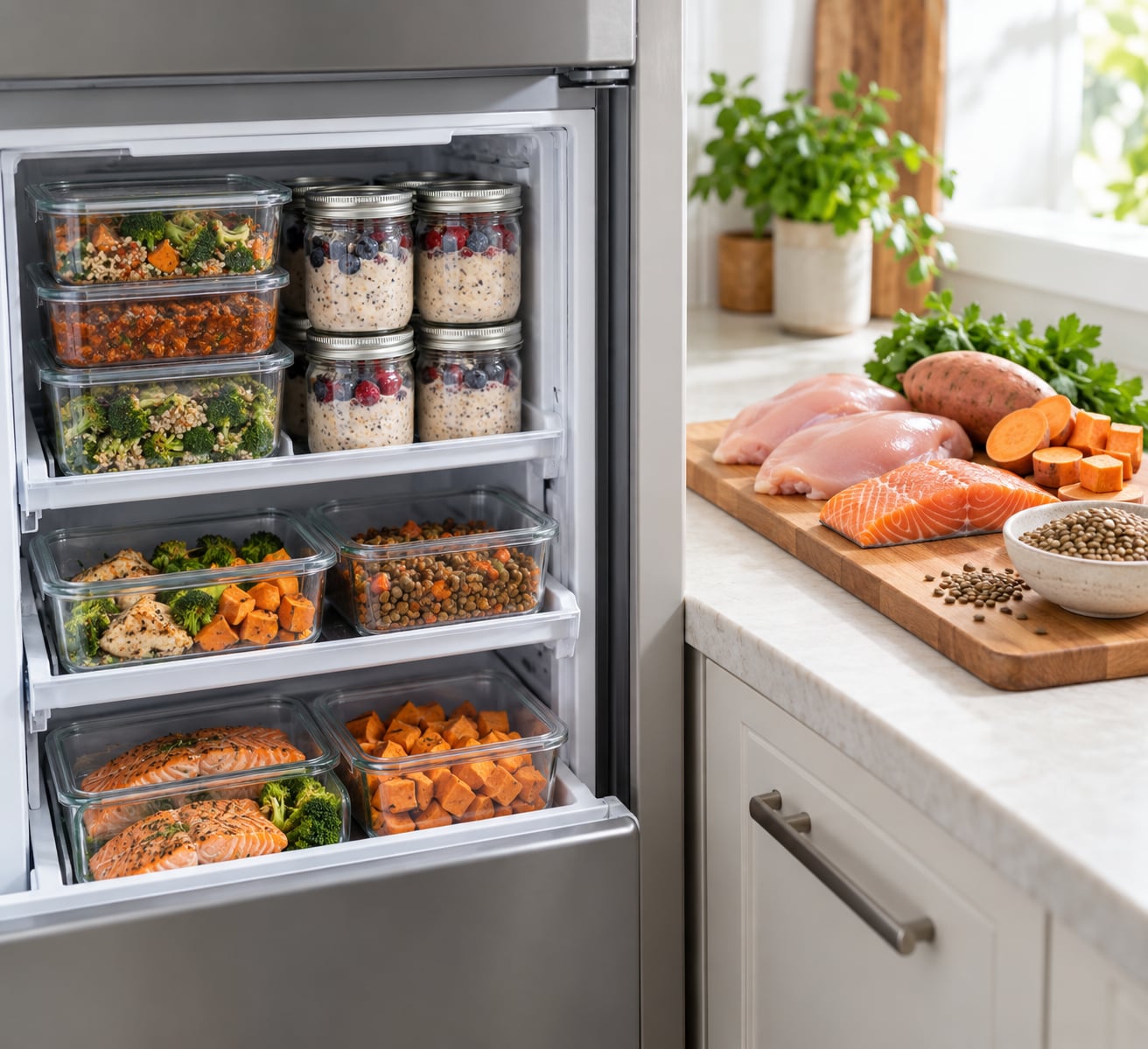
Healthy freezer meals for busy weeks are simply home-cooked dishes you make ahead, portion into containers, and freeze so dinner is a reheat away. Cook one batch on a Sunday and you have balanced protein, vegetables and carbs waiting for the nights when nobody wants to think about dinner.
Below is a rotation of ten meals that hold up well frozen, thaw without turning to mush, and reheat in under ten minutes. Each one includes the main protein, the vegetables, how to cook it, what to freeze it in, and how long it takes to get from freezer to plate.
Table of Contents
- Healthy Freezer Meals for Busy Weeks at a Glance</
- 1. Turkey and Veggie Meatballs
- 2. Chicken Burrito Bowls
- 3. Sheet-Pan Salmon and Vegetables
- 4. Lentil and Vegetable Chili
- 5. Greek Chicken and Rice Stuffed Peppers
- 6. Turkey and Sweet Potato Skillet
- 7. Chicken Vegetable Soup
- 8. Baked Cod with Lemon and Potatoes
- 9. Black Bean and Quinoa Stuffed Squash
- 10. Overnight Oats Breakfast Cups
- Frequently Asked Questions
- Can I freeze healthy freezer meals for busy weeks?
- How long do homemade freezer meals last?
- What is the safest way to thaw a frozen meal?
- Should I freeze meals with mayonnaise or dairy-heavy sauces?
- How can I keep frozen vegetables from becoming soggy?
- How many freezer meals should I prepare for one busy week?
- Start With Four Meals, Not Ten
Healthy Freezer Meals for Busy Weeks at a Glance</
This table covers all ten meals so you can scan for the ones that match your week: main protein, vegetables, meal type, how much hands-on prep it takes, the container that works best, and the one thing to watch when reheating.
| Meal | Main protein | Vegetables | Meal type | Prep effort | Best container | Reheating note |
|---|---|---|---|---|---|---|
| Turkey and Veggie Meatballs | Lean ground turkey | Zucchini, peppers, onion | Dinner | Low | Freezer bag or deli container | Reheat in sauce, not dry |
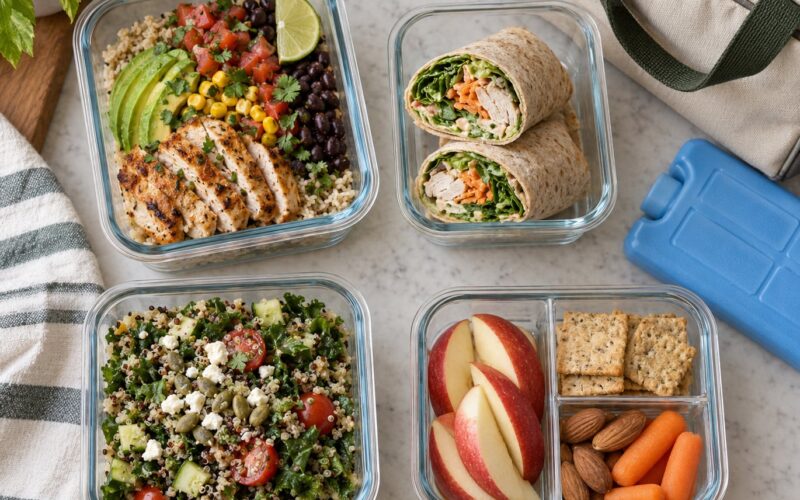
| Chicken Burrito Bowls | Chicken breast | Black beans, corn, peppers | Dinner or lunch | Low | Wide shallow container | Reheat rice separately if you can |
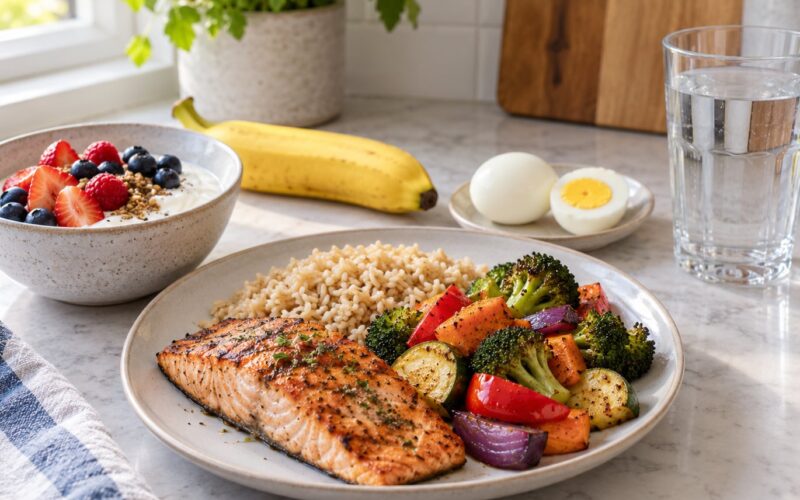
| Sheet-Pan Salmon and Vegetables | Salmon fillets | Broccoli, carrots, potatoes | Dinner | Medium | Individual portion tray | Cover loosely so fish stays moist |
| Lentil and Vegetable Chili | Lentils and beans | Tomatoes, peppers, onion | Dinner | Low | Mason jar or tub | Loosen with a splash of broth |
| Greek Stuffed Peppers | Chicken breast | Spinach, tomatoes | Dinner | Medium | Foil pan or single dish | Bake covered at 350°F |
| Turkey and Sweet Potato Skillet | Ground turkey | Sweet potato, black beans, spinach | Dinner | Low | Skillet, then individual portions | Add avocado after reheating |
| Chicken Vegetable Soup | Chicken breast | Carrots, celery, tomatoes | Lunch or dinner | Low | Wide-mouth jar | Heat straight from frozen on low |
| Baked Cod with Lemon and Potatoes | Cod fillets | Baby potatoes, green beans | Dinner | Medium | Single-serve tray | Add lemon after reheating |
| Black Bean Quinoa Squash | Black beans and quinoa | Peppers, corn, squash | Vegetarian dinner | Medium | Meal container | Reheat with a little water |
| Overnight Oats Cups | Oats, yogurt, chia | Berries | Breakfast | Low | Small lidded cups | Thaw in the fridge overnight |
1. Turkey and Veggie Meatballs
Turkey and veggie meatballs are the workhorse of any freezer rotation because they portion easily and reheat inside whatever sauce you are serving. Mix lean ground turkey with grated zucchini, diced bell pepper, onion, egg, garlic, dried oregano and a little salt, then bake on a lined sheet pan at 400°F until the centre hits 165°F.
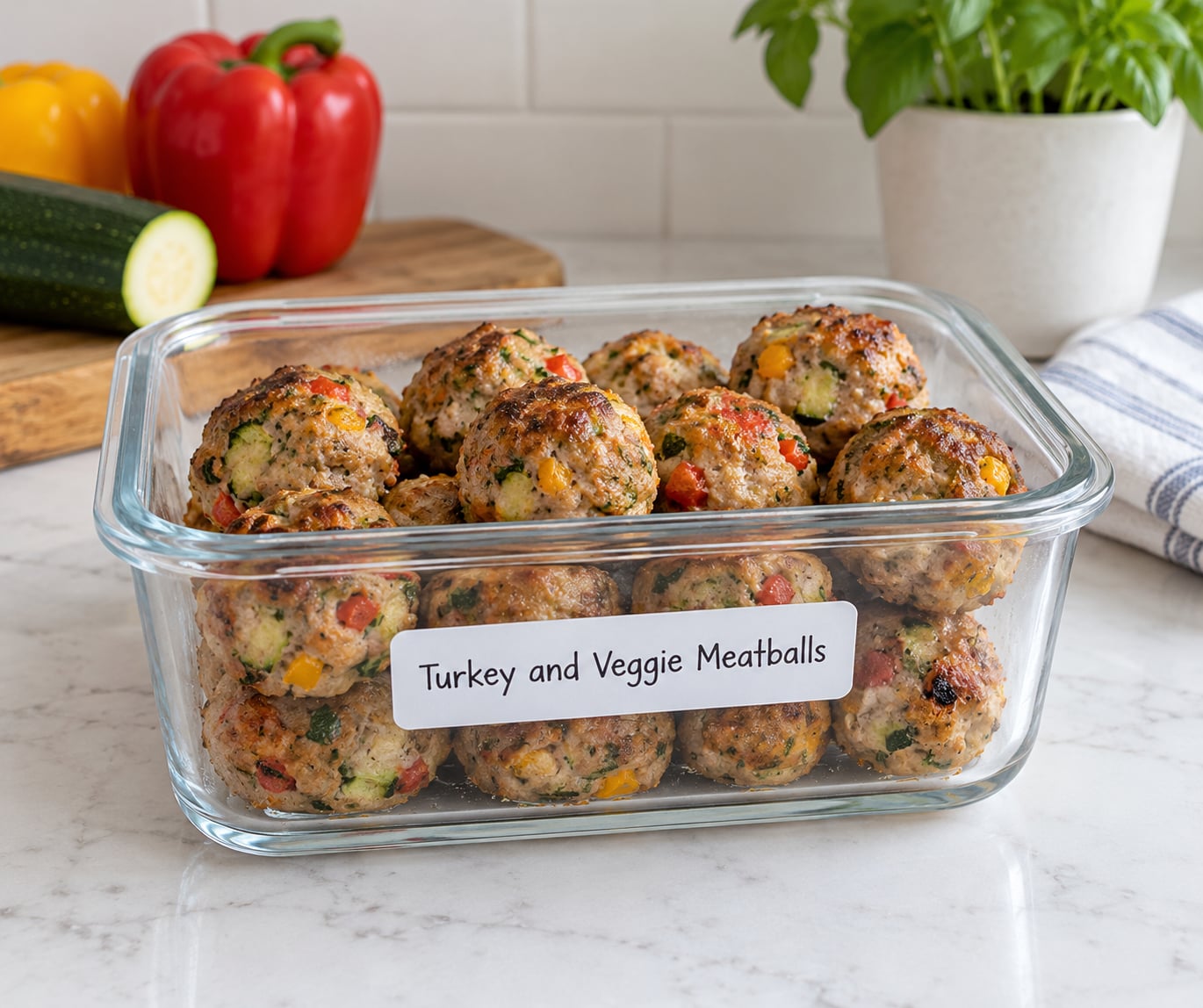
Baking on a sheet pan instead of simmering in sauce keeps the meatballs from absorbing water and going spongy. Spread the raw ones out so they are not touching, or they will steam each other instead of browning.
Freeze them cooked on a tray first, then transfer to a freezer bag once firm. That flash-freezing step keeps individual pieces from merging into one solid block, which is the difference between grabbing four meatballs and thawing the whole tray. I have made this batch more than any other recipe in my rotation.
To reheat, drop four or five frozen meatballs into marinara, tomato sauce or a light cream sauce and warm on the stove. For a lighter dinner, thaw them overnight in the fridge and add them to cooked pasta. Expect about 8 minutes from frozen on the stove, or 3 to 4 minutes in the microwave for a single serving.
2. Chicken Burrito Bowls
Chicken burrito bowls freeze better than most rice dishes because the components can be layered instead of mixed together. Roast diced chicken breast with cumin, garlic powder, smoked paprika and a pinch of salt until it reaches 165°F, then cook brown rice and set out black beans, corn, diced peppers, salsa and shredded cheese as separate bowls.
Assemble in wide, shallow containers rather than deep round tubs. You want a large surface area so the reheated food steams evenly instead of cooking the edges while the middle stays cold.
Freeze the rice slightly underdone. It finishes cooking during reheating, and rice that was already fully cooked when it went into the freezer turns into a paste. Leave the fresh toppings off and add cilantro, avocado, and a squeeze of lime after reheating.
Cover and microwave on high for 3 to 4 minutes, stirring halfway, or warm in the oven at 350°F for 15 minutes with a damp paper towel on top. If you only have microwave energy and the rice still looks dry, drop in a teaspoon of water before reheating.
3. Sheet-Pan Salmon and Vegetables
Sheet-pan salmon is about as close to a fifteen-minute freezer meal as you will find, and it freezes surprisingly well when you keep the fillets in single portions. Toss baby potatoes, carrot sticks and broccoli florets with olive oil and salt, roast at 425°F for 12 minutes, then add the salmon fillets for 8 to 10 minutes more.
Cook the fish until it flakes easily and the thickest part reads 145°F on an instant-read thermometer. That is the safe minimum internal temperature for fish and for whole cuts of meat. Pulling it at exactly that point keeps it from drying out by the time it reheats a second time.
Portion each fillet with a handful of vegetables into a small foil or glass container, then freeze. Leave the lemon wedge out of the container. Long storage and reheating dull citrus flavour, and a fresh slice at serving time tastes noticeably brighter.
Reheat covered in the oven at 350°F for 12 to 15 minutes, or place the container on a plate and microwave for 2 to 3 minutes at 70% power. Salmon dries out fast, so avoid blasting it on full power, and add a small splash of water or broth before covering.
4. Lentil and Vegetable Chili
Lentil and vegetable chili is the easiest entry on this list because it is a one-pot meal that gets better the longer it sits. Simmer brown lentils with diced tomatoes, bell peppers, onion, kidney beans, cumin, chili powder and smoked paprika until the lentils are tender and the liquid has thickened.
Freezing thick, moist stews and chilis is what they are best at, so this one holds up for months without turning strange. Portion it while warm into containers with a small amount of headspace, because liquid expands as it freezes.
Let the chili cool uncovered on the counter until it stops steaming before you lid it. Trapping steam inside a warm container causes condensation, and that condensation is where freezer burn starts. I cool mine on the counter for about 20 minutes, then lid and freeze.
Thaw it overnight in the refrigerator for the best texture. Reheat in a saucepan over medium-low heat until steaming hot, adding a splash of broth or water, since chili thickens as it sits. Cooked beans and lentils should reach 165°F when reheated.
5. Greek Chicken and Rice Stuffed Peppers
Greek stuffed peppers give you a balanced plate with almost no assembly work on the night you eat them. Brown diced chicken breast until it hits 165°F, then fold in cooked brown rice, chopped spinach, diced tomatoes, crumbled feta, garlic, oregano and a splash of lemon juice.
The trick is to cut the tops off the peppers and keep the caps. They steam over the filling while everything bakes, which stops the rice from drying out. Fill the peppers loosely, since rice expands as it absorbs liquid.
Bake the filled peppers at 375°F for 30 to 35 minutes. To freeze, either bake them whole in a foil pan and cut into portions once thawed, or freeze the raw filled peppers on a tray and bake them from frozen at the same temperature for 45 minutes, loosely covered.
Frozen raw stuffed peppers give you the most flexibility because they cook straight from the freezer. Reheat a cooked portion covered in the oven at 350°F for 20 minutes, or microwave on high for 4 minutes. Add a small drizzle of olive oil and extra lemon before serving.
6. Turkey and Sweet Potato Skillet
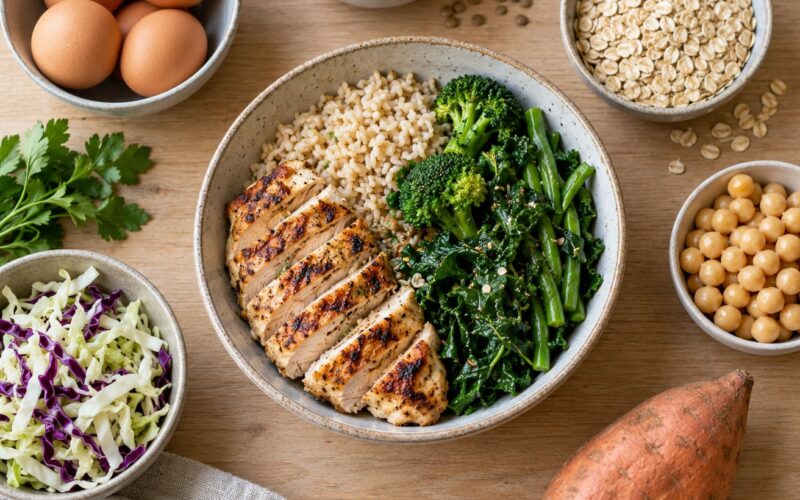
A turkey and sweet potato skillet is a one-pan dinner that moves from stovetop to freezer without much ceremony. Brown lean ground meat to 160°F, then add diced sweet potato, black beans, onion and a blend of chili powder, cumin and smoked paprika. Let the potatoes soften, then fold in spinach at the very end so it stays bright.
Cook the sweet potato until it is fork-tender before the food goes anywhere near a container. Undercooked potato cubes stay firm through freezing and reheating and turn mealy on the second heat.
Cool the skillet on the counter, then scoop into single-serving containers. This is a meal that reheats unevenly in a deep tub, so keep the portions flat and shallow.
Reheat with a lid on for 3 to 4 minutes in the microwave, or 15 minutes at 350°F in the oven. Keep the avocado out of the freezer entirely. Slice it fresh at the table, or mash it with lime juice and salt and spoon that on top, which is also fine on top of turkey and lentils.
7. Chicken Vegetable Soup
Chicken vegetable soup is a good freezer meal because soup reheats gently and forgives a lot. Poach or simmer chicken breast with carrots, celery, onion, diced tomatoes, white beans and herbs like thyme, parsley and bay leaf until the chicken reaches 165°F and shreds easily.
Wide-mouth mason jars work well here if you want single portions, but leave an inch of space at the top because soup expands as it freezes. Containers with snap lids are simpler to stack and seal tighter, which is what you want against freezer burn.
Drop the bay leaves before freezing. They are impossible to fish out of a frozen block later, and dried herbs hold their flavour better than fresh ones in cold storage.
You can cook this straight from frozen: put the frozen jar or container in a saucepan with a third of a cup of water and simmer on low for 20 to 25 minutes, or transfer to a slow cooker on low for a few hours. Reheated soup needs to reach 165°F throughout.
8. Baked Cod with Lemon and Potatoes
Baked cod is a mild, lean fish that reheats gently and a week of it does not get boring the way heavier recipes do. Halve or quarter baby potatoes and blanch them for five minutes, then roast with green beans, olive oil and salt at 400°F while the fish bakes alongside.
Add thick cod fillets for the last 10 to 12 minutes of cooking, until the fish turns opaque and flakes at the thickest point. The safe minimum internal temperature for fish is 145°F. Dry the fillets well before they go in the pan, because moisture is what turns the coating rubbery and the flesh tight.
Freeze one fillet with a small portion of potatoes and beans per container, and leave the lemon until serving time. Frozen citrus loses its sharp aroma and can taste faintly bitter after reheating, which is a real change in a dish that has almost no other seasoning.
Reheat covered in the oven at 350°F for 15 minutes, or in the microwave for 3 minutes at 70% power. Put the lemon slice on after it comes out of the oven, then drizzle with olive oil to keep the cod from tasting flat.
9. Black Bean and Quinoa Stuffed Squash
Black bean and quinoa stuffed squash is the vegetarian anchor of this rotation, and it converts well into different meals. Halve an acorn or butternut squash, scoop out the seeds, brush the cut faces with oil and roast at 400°F for 25 minutes until the edges caramelise.
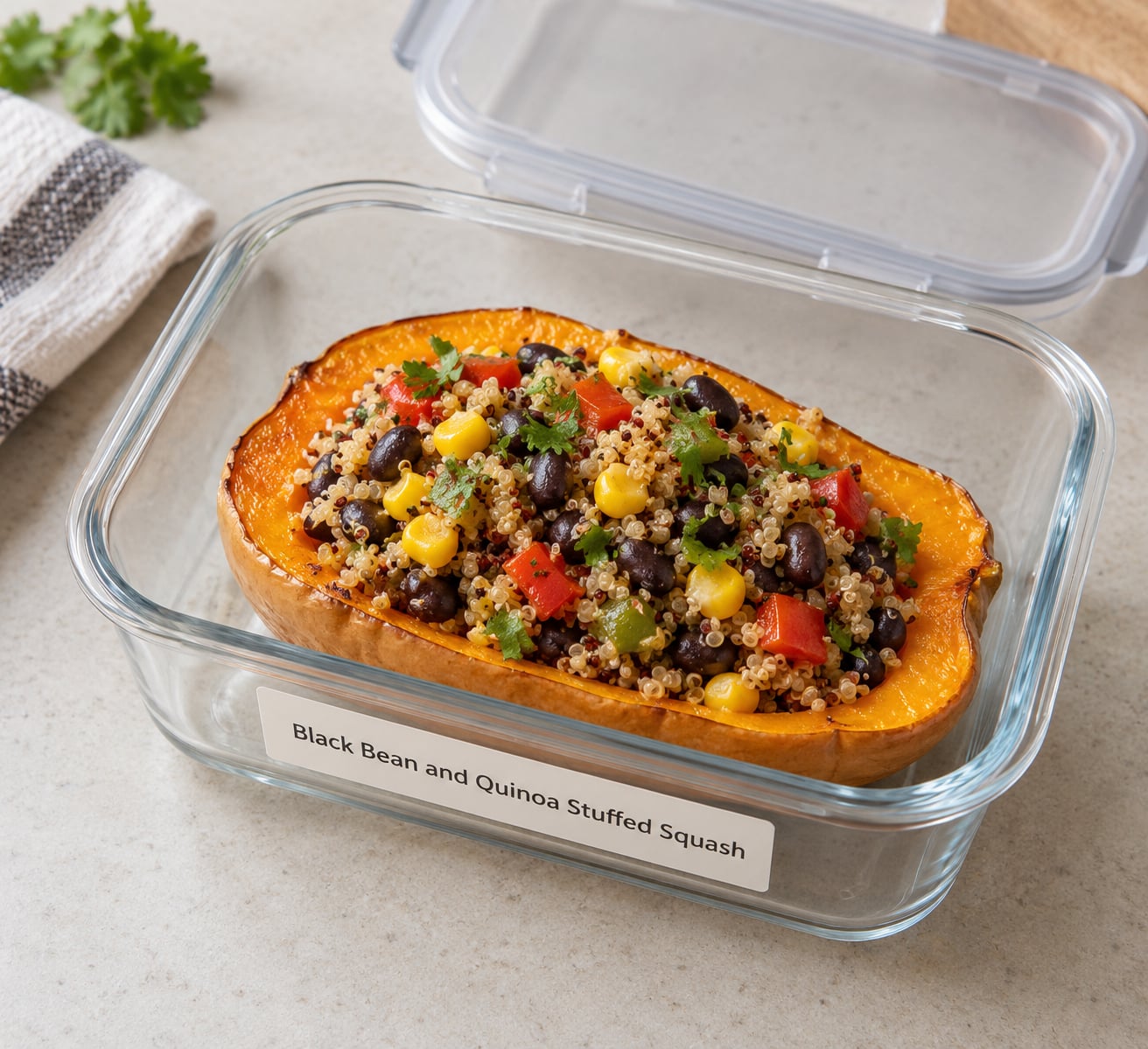
Scoop the cooked flesh into a bowl, add cooked quinoa, black beans, corn, diced peppers, cumin, chili powder and a splash of lime juice, then spoon it back into the shells. Season generously, since squash flesh is mild and needs the help.
Freeze the filled shells uncovered first so the hot filling chills quickly, then wrap each one and freeze. Cooling fast matters more here than most because a large mass of hot food warms the whole freezer while it cools.
Reheat covered at 350°F for 20 minutes, adding a spoonful of water or broth so the quinoa does not dry out. You can also eat this cold over salad, or break up the leftovers into a breakfast hash with an egg alongside.
10. Overnight Oats Breakfast Cups
Overnight oats cups handle the mornings nobody wants to cook, and they freeze better than they have any right to. Combine rolled oats, chia seeds, milk or oat milk and a little yogurt in a jar, stir in a spoonful of honey or maple syrup, and refrigerate for four hours or overnight.
Freeze them without the fresh fruit. Berries release water as they thaw and turn the oats loose and grey overnight. Instead, freeze the plain oat base and add berries, sliced banana or nut butter after it has thawed in the refrigerator.
Leave the lid off or cracked while they chill in the fridge, because oats expand and a sealed jar can push the lid off. Once frozen, lid them properly and they will keep for a couple of months.
Thaw in the fridge the night before, not on the counter. Stir in the fruit and any nut butter just before eating. To eat it straight from frozen, move the cup to the fridge in the morning and add milk before lunch.
Frequently Asked Questions
Can I freeze healthy freezer meals for busy weeks?
Yes. Most cooked dinners freeze well for up to three months at 0°F, as long as you cool them before freezing. Soups, chilis, curries, stews and baked casseroles are the most reliable. Meals with a lot of mayonnaise, cream or raw vegetables keep less well, so add those fresh after reheating.
How long do homemade freezer meals last?
At a steady 0°F, cooked soups, chilis and stews keep at their best for three to four months. Casseroles and sheet-pan dinners hold good quality for two to three months, and breads, muffins and breakfast items are best eaten within one to two months. At higher freezer temperatures, storage times shrink noticeably.
What is the safest way to thaw a frozen meal?
Move it from the freezer to the refrigerator and let it thaw overnight on a plate or in a pan to catch drips. Never thaw on the counter at room temperature. If you need it the same day, run the sealed container under cold water for 20 to 30 minutes or use the microwave’s defrost setting, then cook it immediately.
Should I freeze meals with mayonnaise or dairy-heavy sauces?
Avoid freezing mayonnaise-based dressings, tuna salad and potato salad. Mayonnaise splits and goes watery when it thaws. Cream and cheese sauces also tend to break, though a small amount is usually fine. Freeze the protein and vegetables separately, then make the creamy sauce fresh in the few minutes it takes.
How can I keep frozen vegetables from becoming soggy?
Blanch vegetables for two to three minutes in boiling water, cool them in ice water, drain well, and dry them thoroughly before freezing. Water left on the surface turns to ice and ruins the texture. Freeze them in a single layer on a tray first, then bag them once firm, and avoid reheating them covered.
How many freezer meals should I prepare for one busy week?
For a family of four, aim for eight to twelve servings, which is two to three dinners plus backups. For one person, four to six portions is plenty and covers a full week of lunches or breakfasts. Most people report that a two to three hour cooking session producing ten to eighteen portions is the realistic sweet spot.
Start With Four Meals, Not Ten
The fastest way to build this habit is to pick four meals from the list above and cook them in one session, rather than trying to fill a whole month in a single afternoon. Turkey meatballs, lentil chili, chicken burrito bowls and overnight oats give you dinners plus breakfasts in about two and a half hours.
Label every container with the dish, the date and one line of reheating instructions. On a Tuesday evening with nothing planned, that label is the difference between a healthy dinner and a delivery order.
If you are managing a specific health condition, ask a doctor or a registered dietitian to help you adjust portions or sodium before you commit to a rotation. This is general information about home freezing, not personal nutrition advice.