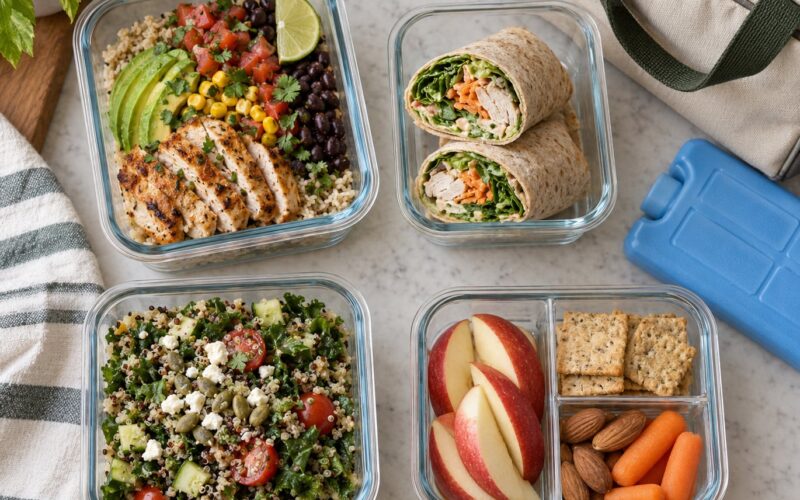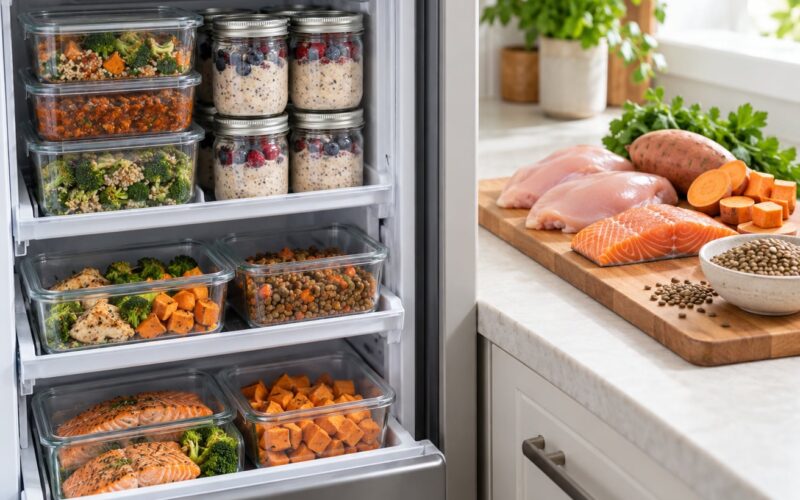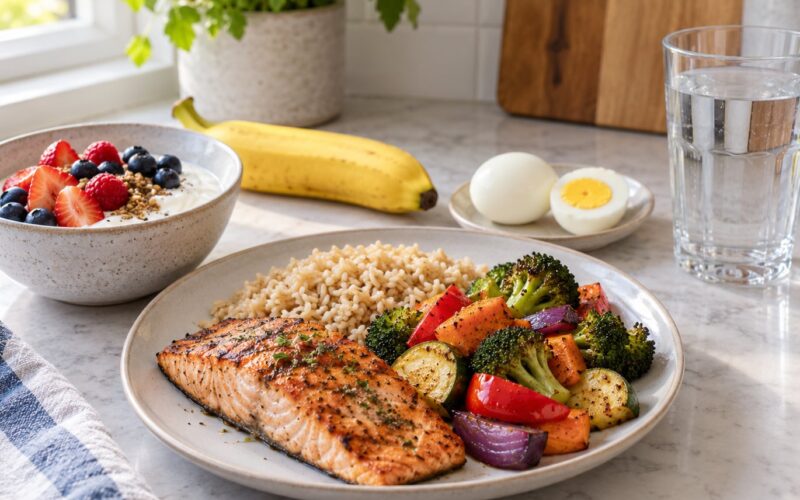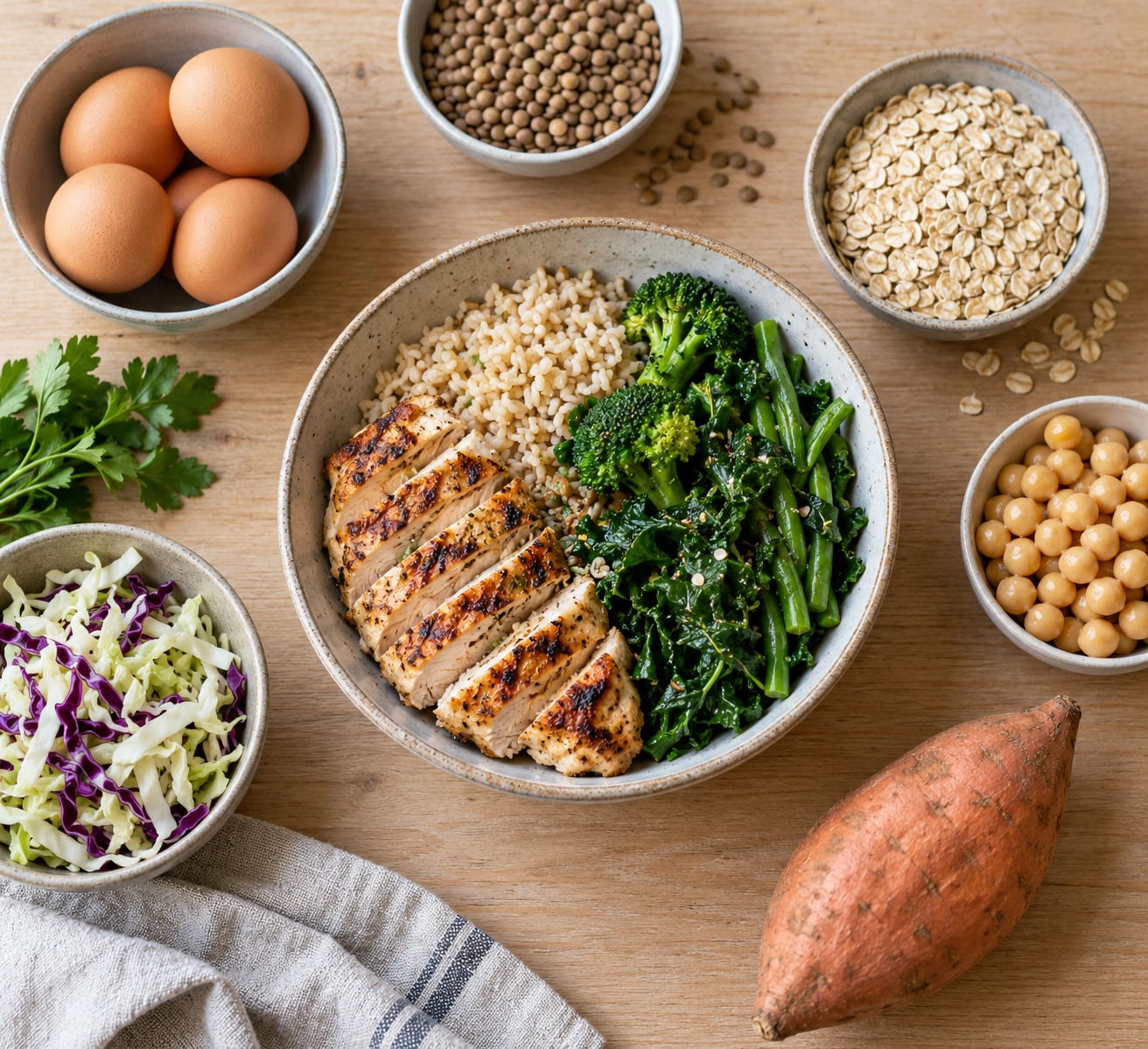
Cheap healthy meals for weight loss are everyday whole foods like eggs, canned tuna, beans, lentils, oats, chicken thighs and frozen vegetables, combined so each plate carries protein and fiber. That combination keeps you full for a few hours, holds daily calories down, and costs far less per serving than takeout or packaged meals.
This list is built for people who are watching what they spend as closely as what they eat: students cooking for one, single-person households trying to stop food waste, and families who want a lighter dinner without a second job in the kitchen. Every meal below uses ingredients you can pick up in one ordinary grocery run, and most take 30 minutes or less.
A few things are worth knowing before you start. Weight loss comes from a steady calorie deficit, not from any single food, and no list replaces that. The meals here are built around two levers you actually control: protein, which holds muscle and cuts hunger, and fiber, which adds bulk without adding many calories. For personal advice about calorie targets, medical conditions or medications, talk with a doctor or a registered dietitian.
Table of Contents
- Cheap Healthy Meals for Weight Loss at a Glance
- 1. Chicken, Rice and Vegetable Bowls
- 2. Lentil and Vegetable Soup
- How to stretch one pot of soup into five cheap healthy meals for weight loss
- 3. Egg and Vegetable Scramble
- 4. Tuna and White Bean Salad
- 5. Turkey and Black Bean Tacos
- 6. Overnight Oats with Berries
- 7. Vegetable and Egg Fried Rice
- 8. Chickpea and Spinach Curry
- 9. Tuna and Egg Lettuce Wraps
- 10. Sweet Potato and Black Bean Bowl
- 11. Cottage Cheese and Fruit Snack
- 12. Sheet-Pan Chicken and Vegetables
- Frequently Asked Questions
- What is the cheapest way to eat healthy and lose weight?
- How do I make budget meals filling enough for weight loss?
- Can I meal prep these meals for a whole week?
- Which of these meals work for a vegetarian or vegan diet?
- Is rice good for weight loss?
- What can I cook on a budget when I have no time to cook?
- Conclusion
Cheap Healthy Meals for Weight Loss at a Glance
The table below lists each meal, where the protein comes from, roughly how long it takes, and the inexpensive ingredients that do most of the work. If you are short on time, sort by prep time; if you are short on money, look for the meals built on canned goods and dry staples.
| Meal | Main protein | Prep time | Budget-friendly base |
|---|---|---|---|
| Chicken, rice and vegetable bowls | Chicken breast or thighs | 25 min | Brown rice, frozen mixed vegetables |
| Lentil and vegetable soup | Dried lentils | 35 min | Canned tomatoes, frozen carrots |
| Egg and vegetable scramble | Eggs | 12 min | Eggs, frozen peppers, canned beans |
| Tuna and white bean salad | Canned tuna | 10 min, no heat | Canned tuna, cannellini beans, olive oil |
| Turkey and black bean tacos | Ground turkey | 20 min | Corn tortillas, black beans, cabbage |
| Overnight oats with berries | Milk and yogurt | 5 min plus chill | Rolled oats, frozen berries, chia seeds |
| Vegetable and egg fried rice | Eggs | 15 min | Cooked rice, frozen vegetables, eggs |
| Chickpea and spinach curry | Canned chickpeas | 25 min | Canned chickpeas, canned tomatoes, frozen spinach |
| Tuna and egg lettuce wraps | Tuna and eggs | 12 min, no heat | Canned tuna, eggs, romaine |
| Sweet potato and black bean bowl | Black beans | 30 min | Sweet potatoes, black beans, salsa |
| Cottage cheese and fruit | Cottage cheese | 3 min, no heat | Cottage cheese, frozen fruit, sunflower seeds |
| Sheet-pan chicken and vegetables | Chicken thighs | 40 min | Chicken thighs, frozen broccoli, potatoes |
1. Chicken, Rice and Vegetable Bowls
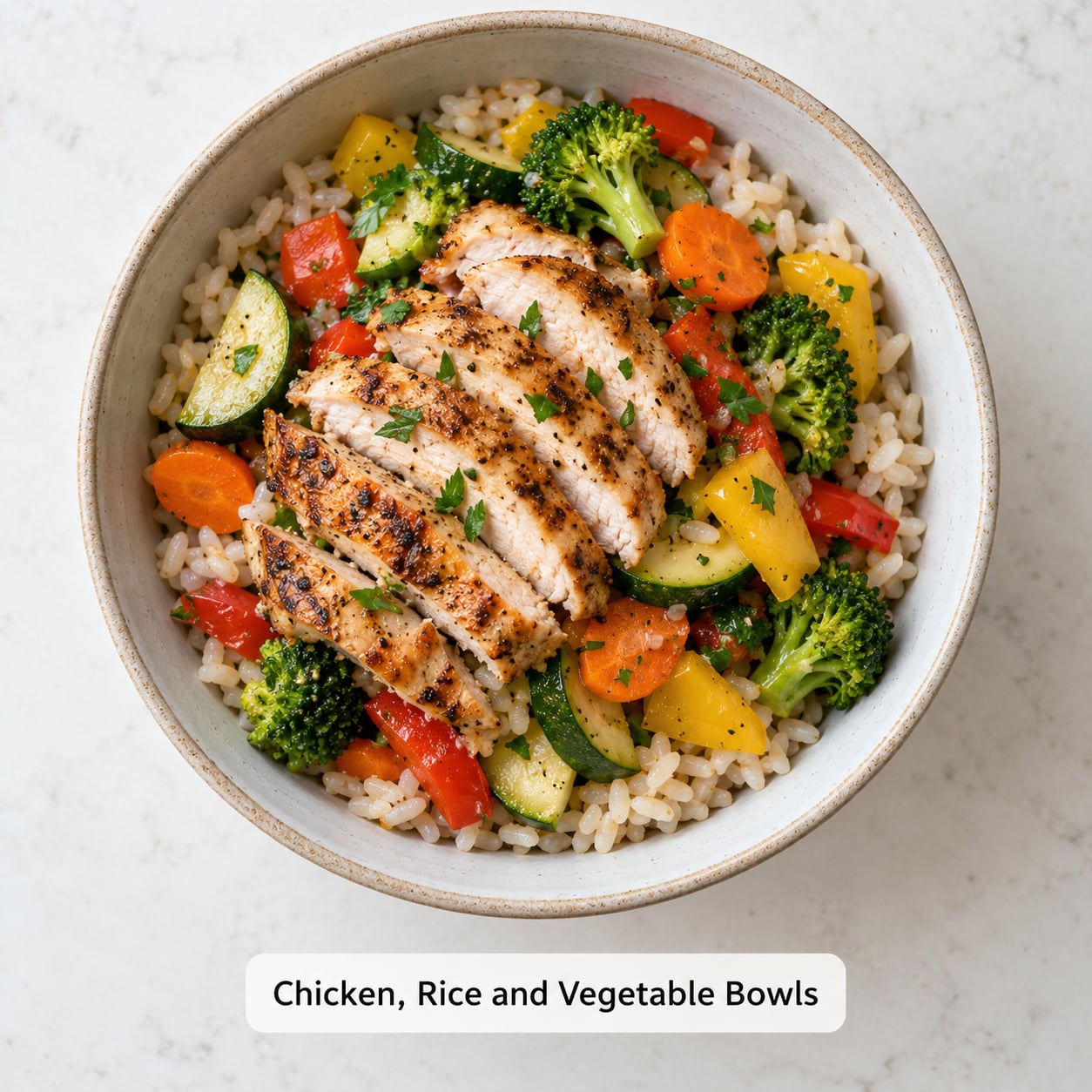
A chicken and rice bowl is the most flexible meal on this list because the base never changes and the toppings do. Cook a batch of rice, a tray of chicken, and a bag of frozen vegetables on a Sunday, and you have four or five lunches already assembled.
For the safest chicken, bring the internal temperature to 165F (74C) with a food thermometer, then let it rest a few minutes before slicing. Cut the bowl down to roughly a cup of rice, a palm-sized piece of chicken and two cups of vegetables. Seasoning matters more than technique here: garlic powder, smoked paprika, cumin and a squeeze of lemon make plain chicken taste like an actual meal.
Brown rice is more filling than white because it keeps more of its fiber, and frozen broccoli or mixed vegetables cost a fraction of fresh and lose nothing nutritionally. Leftover rice gets its own section later, so plan on it rather than letting it go in the bin.
2. Lentil and Vegetable Soup
Dried lentils are one of the cheapest sources of protein and fiber in any grocery store, and they do not need much flavoring to be good. One onion, two carrots, a can of diced tomatoes and a bag of frozen corn simmered with a cup of dry lentils makes a pot that holds six adult servings.
How to stretch one pot of soup into five cheap healthy meals for weight loss
Portion it into individual containers as soon as it cools, because the fifth serving is the one that disappears into a takeaway container on a busy Tuesday. Roughly one and a half to two cups of soup makes a satisfying lunch on its own. If you want it to carry further, add a hard-boiled egg or a small scoop of plain yogurt to the bowl right before eating rather than cooking the whole pot richer.
Season with cumin, smoked paprika, a bay leaf and a splash of lemon juice. Leftover soup keeps three to four days in the refrigerator, and it freezes well in single portions if you want a longer backup plan.
3. Egg and Vegetable Scramble
Eggs are the fastest protein on this list and the one most people already own. Two eggs with a handful of frozen peppers and onions, cooked in a nonstick pan with a teaspoon of oil, takes about 12 minutes from pan to plate and costs almost nothing per serving.
For a meal instead of a breakfast, add half a cup of rinsed black beans to the pan in the last two minutes. Beans bring fiber and bulk, which is what turns eggs from a snack into something that holds until dinner. One slice of whole-grain toast alongside keeps the carbohydrate reasonable without making the meal heavy.
Cook eggs until the whites are set, and scramble them only until they still look slightly underdone in the middle. They finish setting off the heat, which keeps them from going rubbery.
4. Tuna and White Bean Salad
This one needs no heat at all, which makes it useful on hot days and for nights when the stove feels like too much. Drain one can of tuna packed in water and one can of cannellini or navy beans, then toss both with chopped onion, diced bell pepper, a handful of parsley or celery and a dressing of olive oil, lemon juice, mustard and a little salt.
The beans are what stretch the can of tuna, and they add fiber that keeps the salad from being a protein-only plate. A cup of tuna and half a cup of beans is a normal portion for one person, and it is easy to double if you are feeding two.
On fish safety, keep raw or cooked fish at or below 40F (4C) and return it to the refrigerator within two hours. Because this salad is assembled without cooking, store it the same way you would any leftover, and eat it within a day or so.
5. Turkey and Black Bean Tacos
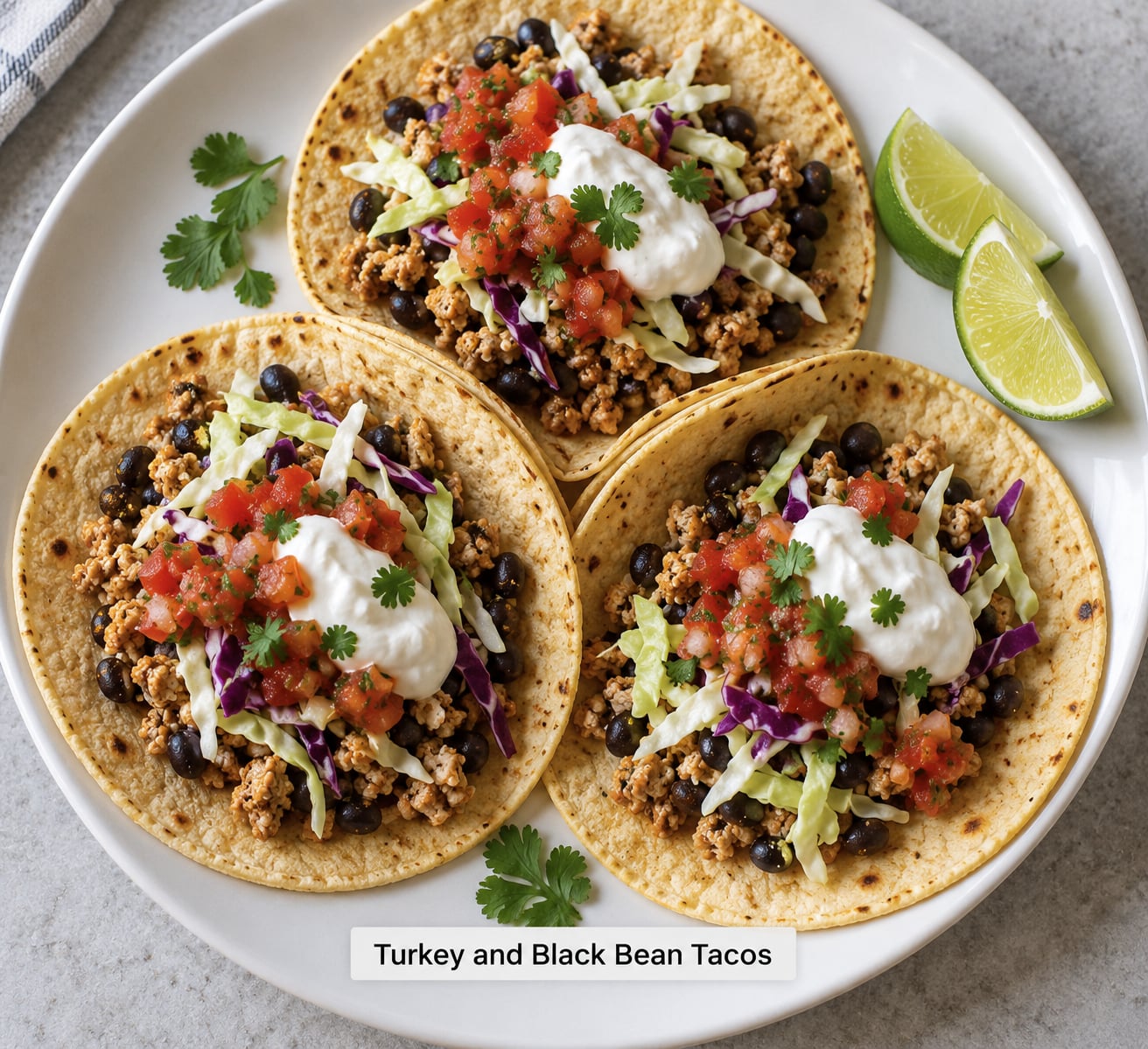
Tacos solve the weeknight problem because everyone can build their own and the components are all cheap. Brown a pound of lean ground turkey with cumin, chili powder, garlic powder and a splash of water, then drain off the fat before adding a rinsed can of black beans.
For ground meat, cook until the internal temperature reaches 160F (71C). Three corn tortillas, a scoop of filling, shredded cabbage, salsa and a spoonful of plain Greek yogurt make a plate that looks generous and still lands in a sensible calorie range. Plain yogurt works better than sour cream here because it adds the same tang with a fraction of the fat.
Brown extra turkey and freeze it in portions if you cook for one. A single-person portion of filling freezes well in a small container and reheats in a microwave-safe dish until steaming all the way through.
6. Overnight Oats with Berries
Half a cup of rolled oats, half a cup of milk and a spoonful of yogurt stirred together in the evening is breakfast solved for the next morning. Add a teaspoon of chia seeds if you want the mixture thicker and more filling, and let it sit in the refrigerator overnight.
Frozen berries are the right choice here. They thaw into the oats, release juice that sweetens the whole bowl without added sugar, and cost a fraction of fresh berries out of season. If you want a change of pace, switch the topping to diced apple with cinnamon, or sliced banana with peanut butter in a small amount.
The usual caution with overnight oats is portion creep. Half a cup of dry oats plus milk and toppings lands around 300 to 400 calories, which is a sensible breakfast target, but going easy on the nut butter and dried fruit is what keeps it there.
7. Vegetable and Egg Fried Rice
This is the meal for the night you have leftover rice and no plan. Heat a teaspoon of oil in a hot pan, scramble two eggs, push them to the side, then add a cup of cooked rice and a cup of frozen mixed vegetables. Toss everything together with a tablespoon of soy sauce and a splash of water.
The technique that makes it work is heat. A hot pan and a little moisture keep the rice from frying into separate crispy grains, which is what most home attempts end up as. Stir constantly for three or four minutes.
Food safety is the part people skip. Cooked rice is a common source of foodborne illness because Bacillus cereus spores survive the cooking. Cool it quickly, refrigerate it within two hours, use it within three to four days, and reheat it until steaming hot all the way through before serving. Never taste rice to check whether it is safe.
8. Chickpea and Spinach Curry
One onion, two cloves of garlic, a tablespoon of curry powder, a can of chickpeas with their liquid, a can of diced tomatoes and a bag of frozen spinach make a vegetarian dinner in one pot in about 25 minutes. Frozen spinach needs no thawing, which saves both time and washing.
Serve it over a modest portion of brown rice or a few spoonfuls of quinoa rather than a heaped bowl. The curry itself carries plenty of protein and fiber, and pairing it with a small serving of whole grain keeps calories where you want them.
Warm spices and a squeeze of lime do more for perceived richness than any amount of oil, so finish with yogurt and lime rather than a heavy sauce. Leftover curry keeps four days in the refrigerator and reheats well, which makes it an easy second-day lunch.
9. Tuna and Egg Lettuce Wraps
When you want something that feels light but still holds, this is the one. Mix a can of drained tuna with two hard-boiled eggs, a spoonful of plain Greek yogurt, chopped celery and a dash of black pepper, then spoon it into sturdy romaine leaves.
Romaine works better than iceberg because the leaves are wide enough to hold a real filling. Four or five leaves make a normal portion, and you add carrot sticks or cucumber on the side to get the crunch and volume that keeps you satisfied.
Everything here is cooked egg, so the safety rule is the familiar one: keep it refrigerated and eat it within a few days. Assemble only what you will eat that sitting if you are making this for one, because assembled wraps go soft quickly.
10. Sweet Potato and Black Bean Bowl
A sweet potato microwaved for six to eight minutes, split open and filled with rinsed black beans, salsa and chopped vegetables, is about as close to a no-cook meal as a hot one gets. Dicing the potato before microwaving speeds up the cooking and gives you more surface for toppings.
Black beans bring around fifteen grams of fiber per cup, and the sweet potato adds potassium and volume with very few calories. That combination is the reason this bowl fills you up like something twice its size.
A teaspoon of olive oil, a squeeze of lime and a pinch of cumin on top is all the dressing it needs. If you want to switch it up, canned tomatoes and a little Greek yogurt turn the same bowl into a different meal without another grocery run.
11. Cottage Cheese and Fruit Snack
Cottage cheese is one of the few foods that is both cheap and high in protein without any cooking at all, and pairing it with fruit turns it into something that works as a snack or a small meal. Half a cup of cottage cheese with a handful of frozen grapes or berries and a tablespoon of sunflower seeds is about three minutes of work.
Portion size here really depends on your hunger and your nutrition needs. Half a cup suits most people as a snack, while a full cup alongside some whole-grain crackers works as a light lunch on a day when you are not doing much physically.
Fruit is the flexible part. Fresh fruit in season costs less, frozen fruit keeps longer, and canned fruit in juice rather than syrup is fine too. Watch the portion of anything with added sugar, since that is the usual reason this simple snack becomes an expensive one.
12. Sheet-Pan Chicken and Vegetables
One pan, one oven, and the cleanup is the thing people notice. Chop a few potatoes, add a bag of frozen broccoli or cauliflower and a pound of chicken thighs or drumsticks, oil everything lightly, and roast at 425F (220C) until the chicken reaches 165F (74C) internally and the vegetables brown at the edges.
Chicken thighs stay moist on a sheet pan, which makes them more forgiving than breast meat and often a better buy. Cutting the vegetables to a similar size matters more than anything else, because uneven pieces means some burn while others stay underdone.
Roast a double tray instead of one. Extra portions become the next two lunches, which turns a single dinner into three meals and cuts both the cost and the packaging waste per serving. Keep refrigerated cooked chicken at or below 40F (4C) and use it within three to four days, or freeze the extra portions on the day you cook.
Frequently Asked Questions
What is the cheapest way to eat healthy and lose weight?
The cheapest route is cooking at home with protein and fiber from low-cost staples: eggs, canned tuna, dried beans and lentils, plain yogurt, oats and frozen vegetables. These stretch further than meat and fish, and a home-cooked plate avoids restaurant markups. Weight loss still depends on a steady calorie deficit, so watch portions rather than buying special diet products.
How do I make budget meals filling enough for weight loss?
Build every plate around protein, fiber and volume. A palm-sized portion of protein, two cups of non-starchy vegetables and a measured serving of whole grain or starch keeps a normal meal between roughly 350 and 500 calories. The measured part matters most, since rice, oil and nut butter are the usual reasons a healthy-looking bowl runs high.
Can I meal prep these meals for a whole week?
Yes, for most of them, with a few exceptions. Soups, curries, sheet-pan chicken and cooked rice base keep three to four days in the refrigerator, and cooked chicken and ground turkey freeze well in single portions. Overnight oats last the week in the refrigerator, but cucumber and lettuce-based salads do not, so build those the day you eat them.
Which of these meals work for a vegetarian or vegan diet?
Lentil soup, chickpea and spinach curry, sweet potato and black bean bowls, and vegetable fried rice with tofu instead of eggs are the vegan options here. Vegetarian versions of the egg scramble, fried rice, tacos and overnight oats add eggs or yogurt without any meat. Skip the tuna, chicken, turkey and cottage cheese meals, or swap in canned beans for roughly the same protein.
Is rice good for weight loss?
Rice fits a weight loss plan fine as long as the portion is measured. White rice is lower in fiber than brown, so it raises blood sugar faster and can leave you hungry sooner, but a measured cup alongside protein and vegetables is a reasonable carbohydrate. The bigger issue is usually the volume you add on top, not the rice itself.
What can I cook on a budget when I have no time to cook?
Keep three no-heat meals on rotation: tuna and white bean salad, tuna and egg lettuce wraps, and cottage cheese with fruit. Each takes about ten minutes or less and uses only canned, jarred or frozen ingredients. A pot of lentil soup made in advance covers the nights when even a pan feels like too much.
Conclusion
Pick two or three meals from this list and cook them twice before adding anything else. Buy only the ingredients those meals need, cook a double portion where the recipe allows, and box the extra portion for the next day’s lunch. That single habit, repeated for a few weeks, costs less food and less money than any packaged weight loss plan.
Everyone’s calorie needs and health conditions are different, so check with a doctor or registered dietitian before making big changes, especially if you take medication or manage a condition.