Zone 2 cardio is steady, low-to-moderate intensity exercise done at roughly 60 to 70 percent of your maximum heart rate. It is the pace where you are working hard enough to build an aerobic base but still able to talk in full sentences. If you can only manage a few words at a time, you have moved past it.
So what is zone 2 cardio and why is it popular? Below is a plain-English look at what it actually is, how it became one of the most talked-about training ideas of the past few years, and how a beginner can use it without chasing numbers on a watch.
Table of Contents
- What Is Zone 2 Cardio?
- How Do You Know You Are in Zone 2?
- Why Is Zone 2 Cardio Popular?
- Does Zone 2 Cardio Help with Weight Loss?
- Is Zone 2 Cardio Good for Beginners?
- What Types of Exercise Count as Zone 2?
- How to Do Zone 2 Cardio Safely and Sustainably
- Common Zone 2 Cardio Myths
- Frequently Asked Questions
- How much zone 2 cardio is recommended each week?
- Why does my zone 2 pace feel so slow to be real?
- Does zone 2 cardio burn more fat than other exercise?
- Is zone 2 cardio enough on its own to get fit?
- When should I stop exercising and see a doctor?
- Conclusion
What Is Zone 2 Cardio?
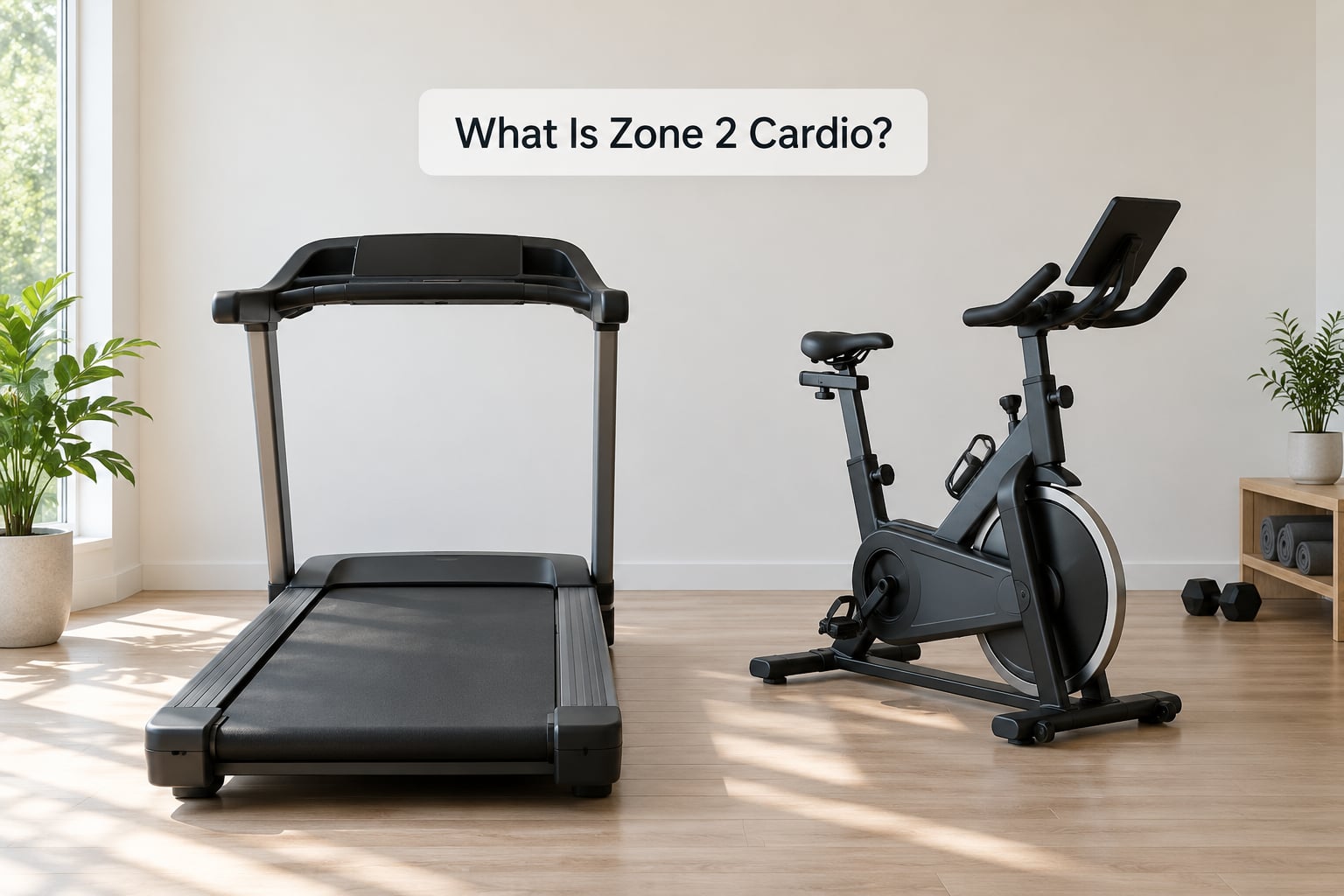
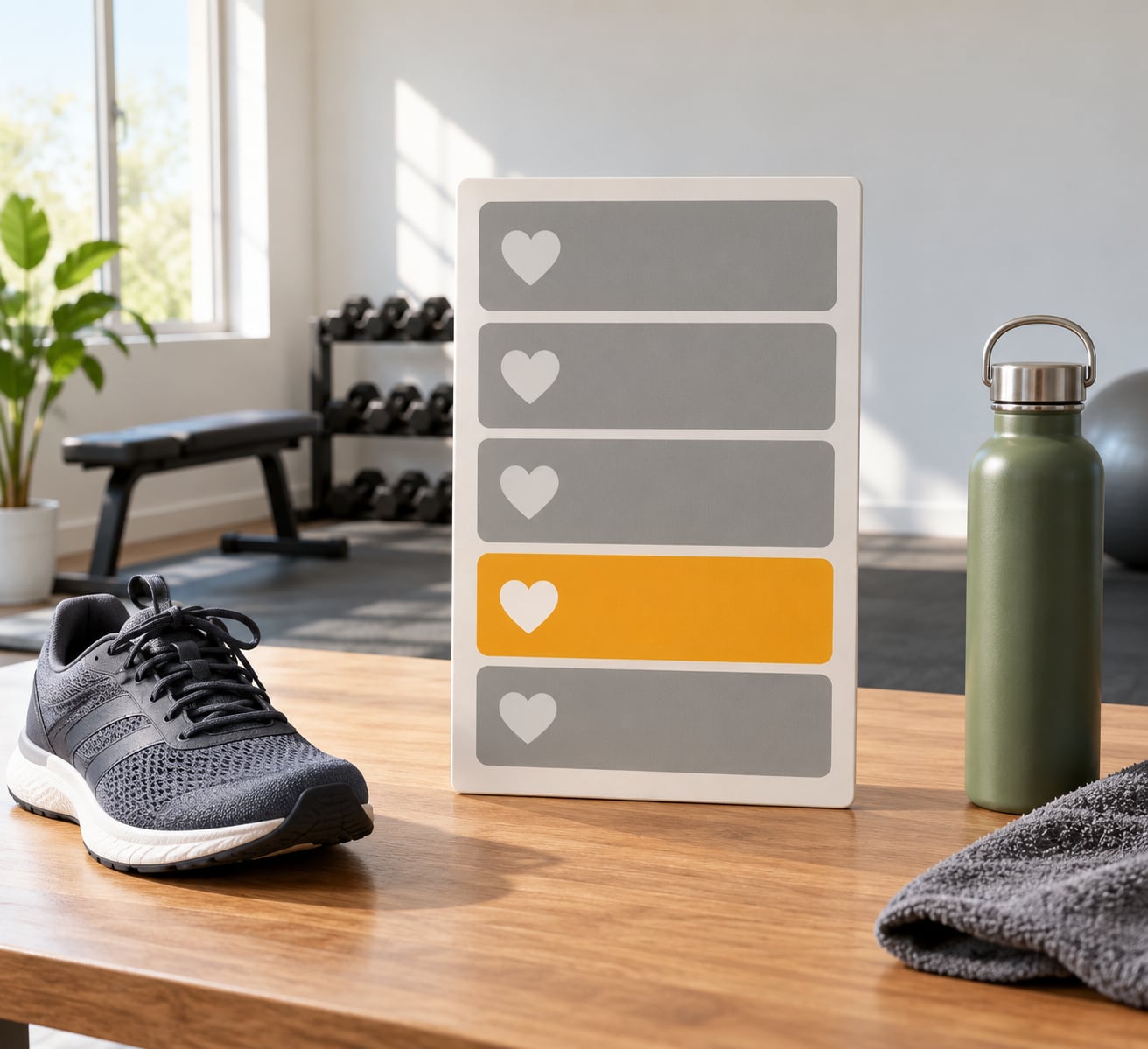
Zone 2 cardio is aerobic exercise performed at a comfortable, steady effort that sits in the lower-middle of most five-zone heart rate scales. Think of it as the top of “easy” and the bottom of “moderate” — hard enough to matter, easy enough to keep doing for a long time.
It is not the same as strolling. Recovery walking after a long run sits lower, in a zone where you barely notice you are moving. Nor is it the same as a moderate interval session, where you push harder and recover on purpose. Zone 2 sits between the two: sustained, rhythmic, and conversational.
Maximal exercise is the other end of the scale entirely. That kind of effort is short, intense, and leaves you unable to speak at all. Someone who says they “train in zone 2” almost never means that.
One thing worth knowing up front: heart rate zones are estimates, not medical measurements. They are built on population averages of how heart rate relates to effort, and your actual numbers can sit well away from any published band. Wearables add their own error on top, so treat the zone as a useful label rather than a precise measurement.
How Do You Know You Are in Zone 2?
The talk test is the most reliable check most people have. You should be able to speak a full sentence without pausing for breath. Short sentences and a few words between them usually means you have drifted into zone 3.
Breathing gives you a second signal. In zone 2 you breathe deeper than at rest, but the rhythm stays regular — often a two-step or three-step pattern — and recovering from a slightly faster moment takes only a breath or two.
Perceived effort works too. Most people describe zone 2 as a 3 or 4 out of 10, where you notice you are working but could hold a conversation indefinitely if you wanted to.
Heart rate is the most used and the most misunderstood. Because zone 2 is usually defined as a percentage of maximum heart rate, and maximum heart rate is itself a rough guess, the numbers can mislead — particularly for people whose resting heart rate is far from the average the formulas assume. In running forums this comes up constantly: someone works out a range, tries to run at it, and finds the pace embarrassingly slow.
Pace and heart rate can also disagree. A runner moving at a brisk cadence on a warm day may sit at a higher heart rate than the same effort in cool air, and a steady pace on an undulating trail can drift in and out of zone without anything dramatic happening.
Weather, dehydration, caffeine, stress, illness, age, and medications all shift how effort feels on a given day. If you have a heart condition, are taking medication that affects heart rate, or have been told to limit your exercise, ask a doctor or another qualified healthcare professional for guidance specific to you before using heart rate zones at all.
Why Is Zone 2 Cardio Popular?
Three separate trends pushed zone 2 out of endurance sport circles and into everyday fitness, and they arrived at the same time.
Wearables made it visible. Once wrist watches started showing live heart rate and a coloured zone band, a concept that used to require a lab or a coach became something you could check mid-stride. Popularity followed visibility, not necessarily accuracy.
Longevity media gave it a credible story. Creators focused on healthspan — Peter Attia, the Huberman Lab, and endurance physiologist Iñigo San Millán among them — repeatedly argued that most people overtrain easy sessions and undertrain hard ones. Zone 2 became the shorthand for the “easy end” of that argument, and it came attached to real physiology rather than a slogan.
The weight-loss audience borrowed it. The phrase “fat-burning zone” travels well and travels fast. Zone 2 got attached to fat loss as a friendly, low-pain way to burn energy, which pulled it into the much larger weight-management conversation.
Add a genuinely useful property and the appeal is easy to see. It is accessible, needs no special skill, costs little, and fits alongside strength training without wrecking recovery. For people who dislike hard intervals, it is often the first kind of cardio they stick with.
Does Zone 2 Cardio Help with Weight Loss?
It can contribute, but it is not a magic method. Weight change depends on how much energy you take in against how much you use over weeks, and no single session decides that. Zone 2 is simply one reasonably efficient way to move.
Two things are often oversold. The first is the idea that low-intensity work preferentially burns fat — true in the lab, less useful in practice, because total daily activity tends to matter far more than the fuel mix inside one hour. The second is the idea that adding zone 2 alone produces steady loss, which ignores food intake, sleep, and the rest of your routine.
Consistency matters more than intensity here, and nutrition matters more than either. Treat zone 2 as one supporting habit rather than a plan.
Is Zone 2 Cardio Good for Beginners?
Usually yes. The defining feature is that effort stays controlled and conversational, which is a far gentler entry point than intervals or a hard-everything approach. It also scales easily — the same activity at a slower pace is a valid starting point.
The exception is medical. Anyone with symptoms such as chest tightness, palpitations, unusual breathlessness, or a history of heart or joint problems, and anyone returning to exercise after a long inactive stretch or an illness, should get medical advice before increasing activity rather than starting from an article.
What Types of Exercise Count as Zone 2?
Almost any steady aerobic movement qualifies, as long as the effort is right. Common choices include brisk walking, cycling on flat or gently rolling terrain, swimming, rowing, using an elliptical machine, light hiking, and steady paddling.
Walking counts, but pace matters. An unhurried stroll sits in zone 1; a purposeful, arm-driving walk climbs into zone 2. If your walk test conversation stops working, you have found your pace.
The useful part is that the same activity is not locked to one zone. Increase speed, incline, terrain, or resistance and it moves up; slow down and it drops back. That makes zone 2 a range you move through rather than a single button.
No gym? Walking outdoors, cycling on a quiet road, or swimming laps cover it. Anything rhythmic and repeatable works, including mowing the lawn if that genuinely raises your breathing without wrecking your back.
How to Do Zone 2 Cardio Safely and Sustainably
Start by warming up. Five to ten minutes of easier movement first means the session starts gradual rather than jumping straight into it.
Then choose a pace where you can speak in short-to-medium sentences and settle in. Hold that pace rather than chasing a number on a display.
Keep early sessions short. Many people start with 15 to 20 minutes, two or three times a week, and build from there as it stops feeling like effort at all. Adding a few minutes every week or two is plenty.
Leave room for the rest of your week. Zone 2 fits well as easy work between harder sessions or strength training, but it stops being useful when it is stacked on top of an already full schedule and recovery collapses.
Adjust for conditions. Heat, humidity, poor sleep, illness, and stress all raise your heart rate at the same effort, so on those days treat effort as the guide rather than the number.
This is general information, not an individual training plan. Stop exercising and seek medical help if you notice chest pain, faintness, severe shortness of breath, a racing or irregular heartbeat, or pain that is sharp or unusual.
Common Zone 2 Cardio Myths
Myth: zone 2 should feel barely noticeable. If you can read a book comfortably, you are probably below it. Zone 2 sits at a clear but manageable effort where breathing changes and concentration narrows a little.
Myth: a higher number on the watch is better. Chasing a zone number instead of your actual effort produces sessions that drift too hard. Your watch may be off, and your fitness level changes faster than the estimate does.
Myth: one exercise is the best one. The activity matters far less than staying in the right effort and repeating it. If you can hold a conversation and will do it again next week, it works.
Myth: zone 2 on its own guarantees fat loss. It supports an active routine and overall energy balance; it does not replace them. Weight change is driven by your whole routine, not by one zone.
Myth: walking is too easy to count. Walking at a brisk, purposeful pace absolutely registers. Movement is not a lesser form of exercise just because it looks modest.
Frequently Asked Questions
How much zone 2 cardio is recommended each week?
Most guidance for general fitness points toward roughly 150 to 180 minutes spread across three or four sessions, rather than one long effort. You can split it however suits your week. Sessions of 20 to 30 minutes are common and perfectly reasonable. Treat these as general reference points and adjust with a healthcare professional if you have health conditions or a long inactive history.
Why does my zone 2 pace feel so slow to be real?
Because zone 2 is defined by effort, not speed, and for many people their first attempt is far below where they should be. Especially if you normally train hard, moving slower feels wrong. Give it several weeks of consistent practice before judging it. If the pace stays uncomfortable or your heart rate climbs out of the band quickly, a coach or clinician can help you calibrate it properly.
Does zone 2 cardio burn more fat than other exercise?
Low-intensity work does rely more heavily on fat as fuel, but that does not make it uniquely effective for weight loss. What matters far more is your total weekly energy use, your food intake, and how consistently you train. Higher intensity sessions can burn more energy in less time and leave you wanting to eat more afterwards. Zone 2 fits well in a routine because it is easy to repeat without wrecking recovery.
Is zone 2 cardio enough on its own to get fit?
It builds a genuine aerobic base and improves cardiovascular fitness on its own, so it is a solid starting point. Most people do better with a mix, because varied intensity develops different capacities. Adding some harder efforts and some strength training tends to give a fuller result. If you are starting from scratch, doing zone 2 consistently for a few months is far better than planning a complicated programme you abandon.
When should I stop exercising and see a doctor?
Stop and seek medical advice if you feel chest pain or tightness, faintness or dizziness, unusual or severe shortness of breath, a racing or irregular heartbeat, or sharp or unusual pain during a session. This matters most if you have a family or personal history of heart problems, or if symptoms appear during exercise that feels easy. Do not try to push through any of these to finish a workout.
Conclusion
If you remember one thing, make it this: start at a pace where your breathing stays controlled and a full sentence comes out without a pause. Note how the session felt, repeat it a few times a week, and build the length gradually as it becomes ordinary.
How popular zone 2 training has become in 2026 matters less than the practical version of it. The zone number is an estimate, not a test you pass. Your overall routine, how you eat, how you sleep, and any medical context you are dealing with all count for more than a figure on a screen.