Short answer: no, carbohydrates are not bad for weight loss. Carbs are the body’s preferred fuel, and the question that actually decides fat loss is whether your total calorie intake stays below what you burn. Whether you lose weight while eating oats and rice or while cutting bread entirely comes down to portions, food quality and whether the plan is one you can keep up.
That gets lost in a lot of loud online argument, so this guide takes the practical route. We look at what carbs do in the body, where weight gain and weight loss actually come from, how much to eat, and who should talk to a professional before making big changes.
Table of Contents
- Are Carbs Bad for Weight Loss? It Depends on This
- What Happens to Your Body When You Eat Carbs?
- Are carbs bad for weight loss, or is calorie balance decisive?
- Do Carbs Make You Gain Weight?
- Which Types of Carbs Work Best for Weight Loss?
- How Many Carbs Should You Eat to Lose Weight?
- Does Cutting Carbs Cause Weight Loss?
- How Can You Eat Carbs and Still Lose Weight?
- What Carbs and Weight-Loss Mistakes Should You Avoid?
- Who Should Get Advice Before Changing Carbohydrate Intake?
- Frequently Asked Questions
- Can you lose weight without counting carbs?
- Why does my weight drop quickly when I reduce carbohydrates?
- Are carbs automatically bad on a weight-loss plan?
- How quickly will I see results after eating fewer carbs?
- Can eating carbs in the evening stop weight loss?
- Conclusion
Are Carbs Bad for Weight Loss? It Depends on This
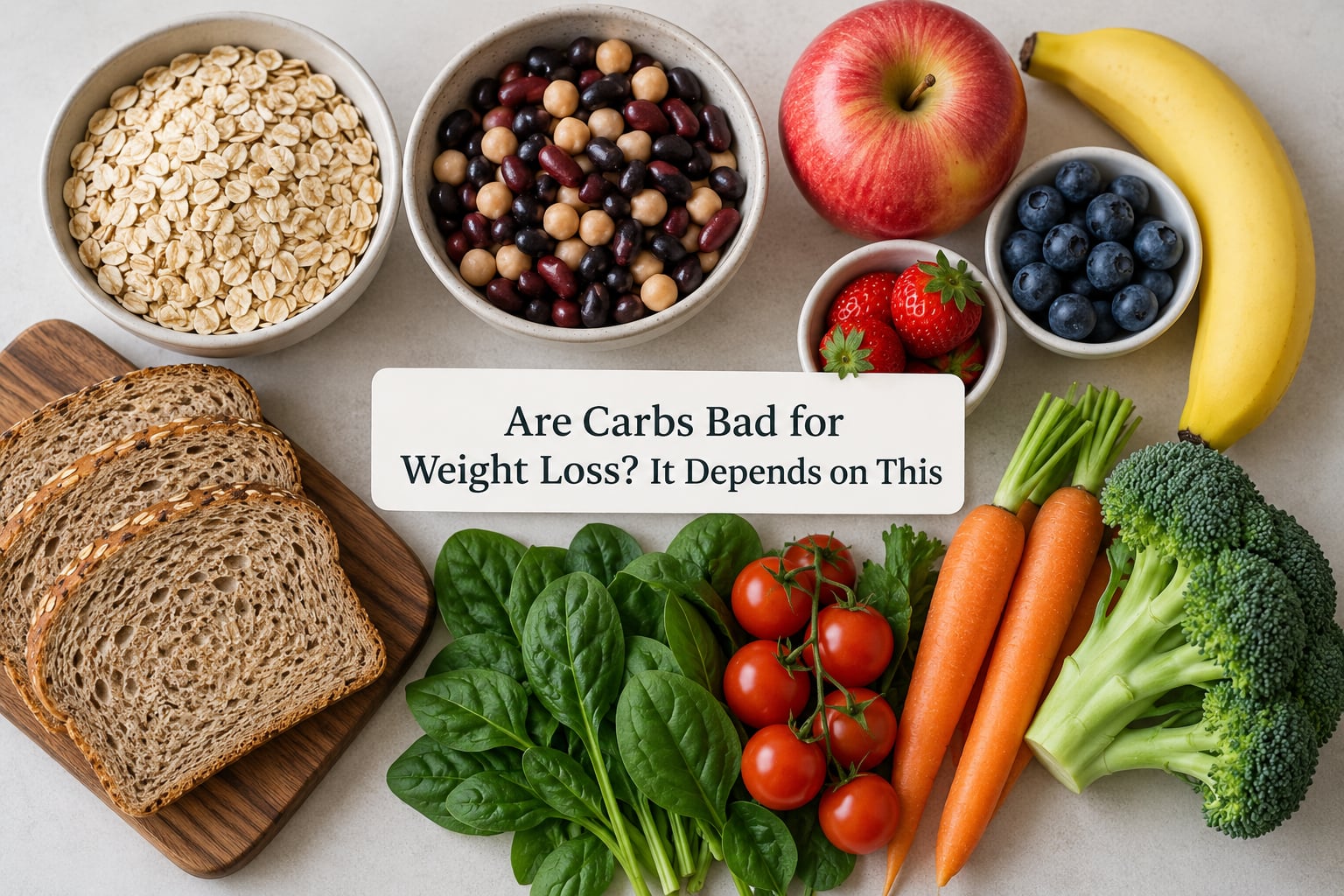
Carbs are neither fattening nor slimming by themselves. A calorie of carbohydrate has the same energy as a calorie of protein or fat. What changes the outcome is the four things around it: how many calories you take in overall, what kind of carbohydrate you choose, how big the portion is, and how full you feel afterwards.
| Factor | What it controls | Effect on weight loss |
|---|---|---|
| Total calorie intake | Energy in versus energy out | Decides whether fat is lost or gained |
| Carb quality | Fiber, nutrient density, added sugar | Affects satiety and how easily you overeat |
| Portion size | Calories per meal | Most low-carb failures are really portion failures |
| Satiety | How long you feel full | High-fiber carbs and protein blunt hunger |
| Adherence | Whether you keep the plan for months | The best plan is the one you still follow in week twelve |
Plenty of people lose weight eating plenty of carbs. Others gain weight on the same foods because the meals came with butter, oil and large servings. Both outcomes are normal, and neither one proves anything about carbs themselves.
What Happens to Your Body When You Eat Carbs?
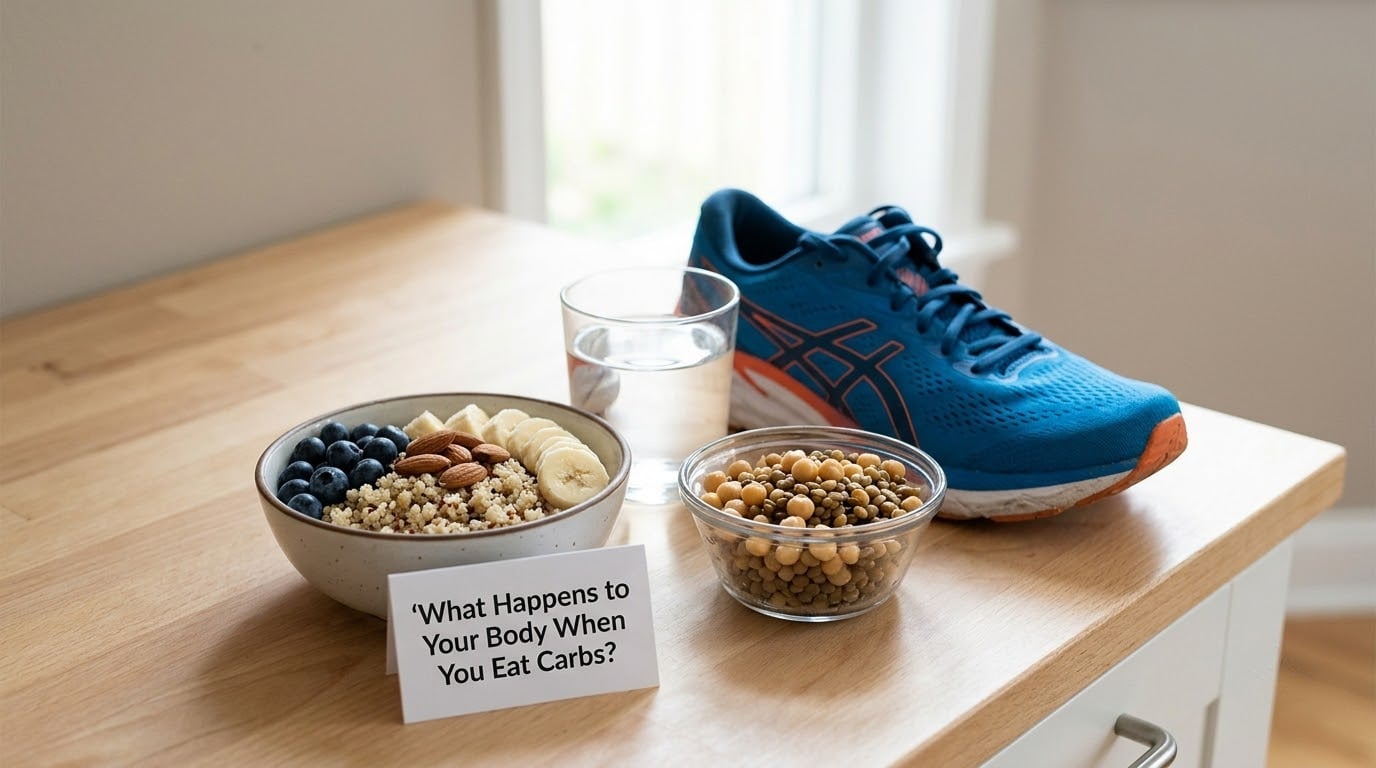
Carbohydrates are one of the three macronutrients, alongside protein and fat. Your digestive system breaks them down into glucose, which travels through the bloodstream and gets used for energy by cells and the brain. That is why a hard workout on low carbs can feel noticeably harder.
When glucose arrives, the pancreas releases insulin to help move it into cells for fuel. Your muscles and liver also store some of it as glycogen, a reserve that keeps your blood sugar steady between meals.
Fiber is the part of carbohydrate your body cannot fully digest. Fiber slows digestion, feeds gut bacteria and adds bulk to a meal, which is why fiber-rich foods tend to keep you full longer than refined ones.
Glucose can also be made from protein and fat when carbohydrate runs low. And if intake exceeds what you burn, the surplus energy gets stored, mainly as fat.
Are carbs bad for weight loss, or is calorie balance decisive?
Calorie balance is decisive. Weight change over weeks and months reflects the energy difference between what you eat and what you use, and carbohydrate-rich foods influence that balance indirectly. They change how satisfied you feel, how much you want to eat an hour later, and how easily you keep the plan going.
Individual responses vary too. Some people feel noticeably hungrier on high-carb meals, others on high-fat meals. That is a real difference worth paying attention to, though it is a matter of degree rather than carbs being toxic.
Do Carbs Make You Gain Weight?
Weight gain comes from a sustained calorie surplus, and carbohydrate-heavy meals are a common route into one without anyone noticing. The food itself is rarely the whole story, though.
- Portions that quietly double. A bowl of rice that was one serving becomes two with a scoop added.
- Calorie-dense extras. Olive oil, butter, cheese sauce, peanut butter and creamy dressings add a lot of calories in small-looking amounts.
- Sugary drinks. Soda, sweet tea and many coffees deliver calories with little fullness, so they rarely crowd out anything.
- Low-fiber choices. Refined breads and cereals are easy to eat in volume and do not slow you down.
None of that is a property of carbohydrates. It is a property of how those foods get built and served.
Which Types of Carbs Work Best for Weight Loss?
Minimally processed, fiber-rich carbohydrates are the easiest to work into a fat-loss plan because they fill you up for their calories. Refined grains, added sugars and sugary drinks are the ones most worth limiting, largely because they are easy to overeat and easy to drink without noticing.
| Food | Approx. carbs per serving | Fiber | Verdict for weight loss |
|---|---|---|---|
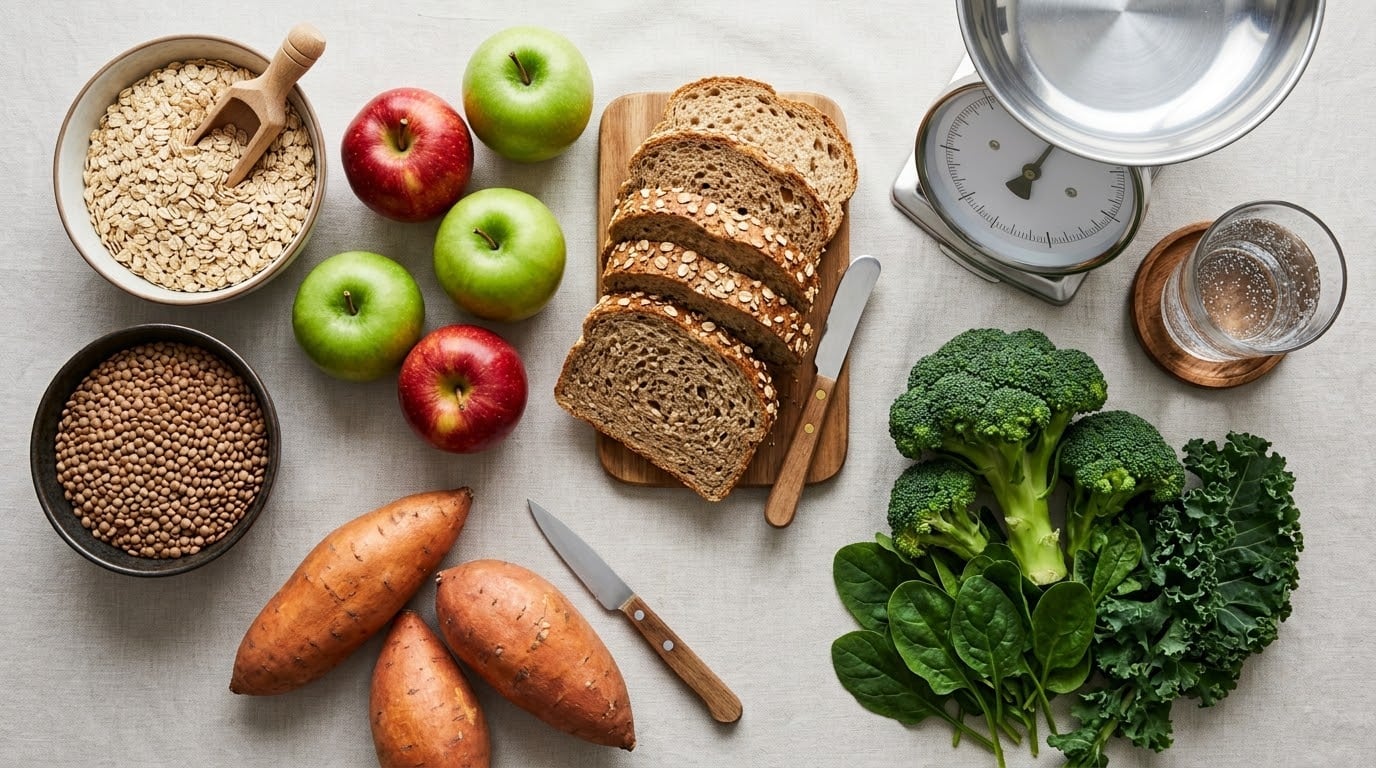
| Oatmeal, cooked, 1 cup | About 27 g | About 4 g | Good, filling breakfast staple |
| Lentil soup, 1 cup | About 40 g | About 15 g | Excellent, high fiber and cheap |
| Brown rice, cooked, 1 cup | About 45 g | About 4 g | Fine in a measured portion |
| Sweet potato, medium | About 27 g | About 4 g | Good, counts toward your carb goal |
| White bread, 2 slices | About 30 g | About 2 g | Limit, easy to overeat |
| Soda, 1 can | About 39 g | 0 g | Worst option, liquid calories |
The glycemic index, which ranks foods by how fast they raise blood sugar, matters less than people think. A serving of carrots has a high glycemic index and will not move the needle on weight, because you would have to eat an unreasonable amount of them.
How Many Carbs Should You Eat to Lose Weight?
There is no single carb target that applies to everyone. The Dietary Guidelines for Americans put carbohydrate somewhere between 45 and 65 percent of daily calories, which is a general range rather than a prescription.
Translated into grams at a 2,000 calorie intake, that range works out to roughly 225 to 325 grams of carbs a day. Shift the calorie target and the numbers move with it, which is why chasing a fixed gram count without a calorie target rarely works.
Many people find they do better somewhere in the middle rather than at either extreme, and a per-meal figure helps more than a daily one. A working target of 45 to 60 grams of carbs per meal is common among people logging their food, and it spreads intake evenly instead of front-loading dinner.
Does Cutting Carbs Cause Weight Loss?
Lower-carb eating plans often produce a fast drop on the scale in the first week or two. A large share of that early change is water. Each gram of glycogen stored in muscle and liver holds roughly three grams of water with it, so dropping carbs drains those reserves and the water goes with them.
That early drop is real on the scale and is not fat loss. If you return to your previous carb intake, glycogen and its water come back, and so does that weight.
Reducing refined carbs and added sugars can still make sense, because those are the foods most likely to push a person past their calorie needs. Severe restriction is a different story. People report headaches, cramps, constipation, low energy and weaker training sessions, and strict long-term limits tend to end in rebound eating.
How Can You Eat Carbs and Still Lose Weight?
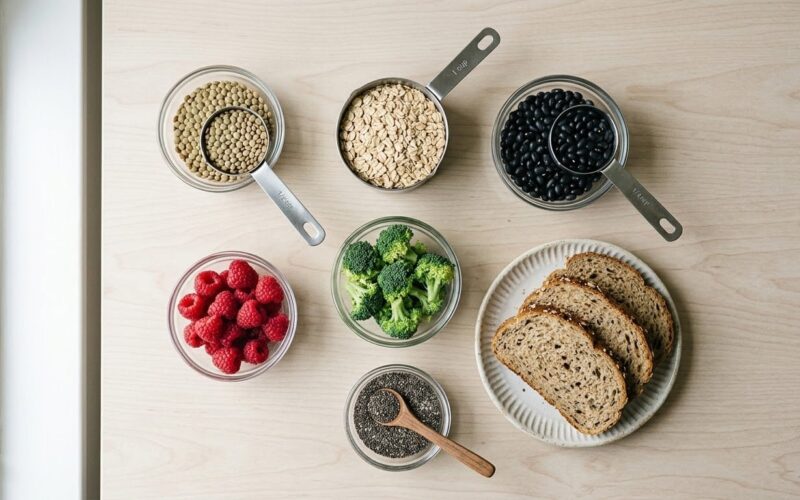
- Build meals around minimally processed carbs. Oats, beans, lentils, potatoes, whole-grain bread and brown rice give you more food for the same calories than pastries and packaged snacks.
- Pair carbs with protein. Protein is less filling than fat per calorie, so a bowl of rice with chicken stays a meal while plain rice often becomes a snack.
- Eat the vegetable portion first. Starting with non-starchy vegetables takes the edge off hunger before the starch arrives.
- Add fiber before adding carbs. Beans, lentils, berries and vegetables crowd out calories while keeping the meal satisfying.
- Measure the calorie-dense extras. Oil, butter, nuts, cheese and dressings are easy to underestimate, and they are usually more responsible for a plateau than the carbs themselves.
- Watch liquid calories. Sweetened drinks, juices and alcohol are the easiest place to add a few hundred calories with no fullness.
- Change gradually. Swapping one habit a week, like sweetened coffee to black and white bread to whole grain, tends to survive longer than a full diet overhaul.
Fatigue, dizziness or weakness that does not settle is a sign to stop pushing through and get checked. Persistent symptoms deserve a doctor, not a stricter food rule.
What Carbs and Weight-Loss Mistakes Should You Avoid?
Treating all carbs as one thing. Bread, lentils, candy and fruit do not belong in the same bucket. Fix: judge each food by fiber, processing and portion.
Counting only net carbs. Net carbs subtract fiber from total carbs, and fiber matters for fullness. Fix: look at total carbs for a fair picture, and check the label for fiber.
Assuming sugary drinks are a small part of the day. One large soda can carry more sugar than an entire meal of fruit. Fix: make them occasional rather than daily.
Shrinking portions until you are always hungry. Very small meals cause rebound eating within days. Fix: keep portions adequate and cut calories gradually.
Going very low with no plan for staying there. The most restrictive phase is usually the easiest to lose and the hardest to keep. Fix: aim for a diet you can run for months, not a test you can run for a fortnight.
Who Should Get Advice Before Changing Carbohydrate Intake?
Carbohydrate changes affect blood sugar, so certain groups should talk to a qualified healthcare professional or registered dietitian before cutting them back. That includes anyone managing diabetes or prediabetes, and anyone taking medication that affects blood glucose, since those drugs often need adjusting as carbohydrate intake changes.
Pregnant or breastfeeding people, anyone under 18, and people with a history of disordered eating also need guidance rather than a self-directed restriction. Athletes with heavy training loads have their own considerations, particularly around performance and recovery.
Persistent dizziness, weakness, shakiness or unexplained fatigue warrants medical care. This article is general information, not personal advice, and your doctor knows your history.
Frequently Asked Questions
Can you lose weight without counting carbs?
Yes. Most people who lose weight never count carbs at all. They keep an eye on portions, eat plenty of protein and fiber, and cut back on liquid calories and calorie-dense extras. Tracking carbs is one tool among several, and it tends to be most useful when you want more control, for example on a lower-carb plan or during training.
Why does my weight drop quickly when I reduce carbohydrates?
Much of the early drop is water rather than fat. Your muscles and liver store carbohydrate as glycogen, and every gram of glycogen carries roughly three grams of water with it. Cutting carbs drains those reserves, so water leaves too. That weight returns when you eat more carbs again, which is why the first week is never a reliable measure of fat loss.
Are carbs automatically bad on a weight-loss plan?
No. Carbohydrate has the same calories per gram as protein and fat, so carbs themselves do not make you gain weight. What raises your intake is usually portion size, calorie-dense toppings, large servings and sugary drinks. Fiber-rich, minimally processed carbs also tend to keep you full longer, which helps you hold a calorie deficit without fighting hunger.
How quickly will I see results after eating fewer carbs?
Expect the scale to move quickly in the first week, mostly as water leaves with glycogen. Fat loss is slower and steadier, commonly a fraction of a pound to about a pound per week depending on your starting weight and activity. If your weight stalls for more than a couple of weeks, check portions and calorie-dense extras before cutting carbs harder.
Can eating carbs in the evening stop weight loss?
Evening carbs do not switch anything off. Weight loss depends on your total calorie intake across the whole day, so a plate of rice at dinner is fine if the day’s total fits your needs. What does tend to matter is whether late meals are large and whether they are stopping you from sleeping well or from eating well the next day.
Conclusion
Carbs fit into weight loss just fine. Total calorie balance does the work, and carbohydrates influence it through portions, satiety, food quality and how long you can stick with the plan.
One place to start this week: build an ordinary meal around a serving of minimally processed carbs, a palm-sized portion of protein, a couple of handfuls of vegetables and a small amount of fat. Eat it at the table, notice how long you stay full, and repeat it. Nothing about it is extreme, and that is the point.
For anyone with diabetes, blood sugar medication use, a pregnancy, a history of disordered eating or ongoing fatigue, get individual guidance from a doctor or registered dietitian before making big changes.