You can drink alcohol and still lose weight. The only real rule is that your weekly calories stay below what you burn, and alcohol gets counted inside that budget like any other food or drink. The trick is planning ahead, choosing lower-calorie options, eating a proper meal first, and not treating one night out as a reason to quit the plan.
Alcohol is genuinely awkward for fat loss, though. It is nearly as calorie-dense as fat, it arrives as a liquid your body poorly registers as fullness, and it lowers the inhibitions that would normally stop you ordering a second round. None of that means you have to go dry for three months. It means the plan needs to be built around drinking rather than against it.
This guide covers the calorie numbers, the drink swaps that actually save you something, the weekly budget that keeps you in a deficit, and what to do the morning after. Nothing here is medical advice. If you have a health condition, take medication that interacts with alcohol, are pregnant, or are in recovery, talk to your doctor or a registered dietitian first.
Table of Contents
- What You Need
- Step-by-Step: How to Drink Alcohol and Still Lose Weight
- 1. Plan Your Drink Before the Event
- 2. Choose Lower-Calorie Drinks
- 3. Eat a Balanced Meal First
- 4. Pace Yourself and Alternate With Water
- 5. Keep Weekly Habits Consistent
- Common Mistakes
- Frequently Asked Questions
- Can you still drink alcohol and lose weight?
- How many drinks a week can I have and still lose weight?
- What is the lowest calorie alcoholic drink?
- Is beer worse than wine for weight loss?
- How do I stop myself eating after I drink?
- Conclusion
What You Need
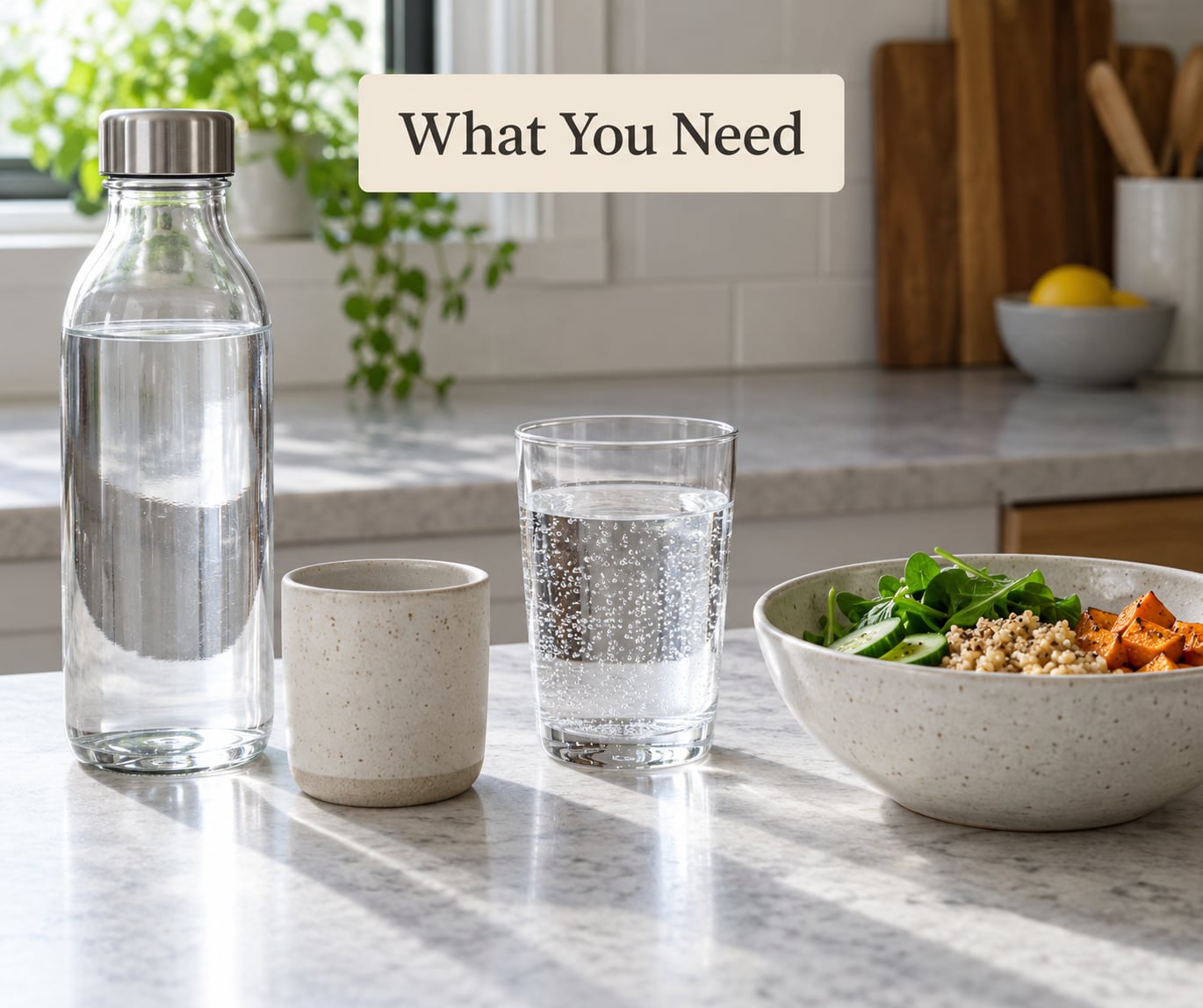
You do not need a special app, a fancy shaker or a stack of supplements. Five things cover it.
- A calorie target you can flex. Pick a daily number that leaves roughly 200 to 300 calories of slack, so a drink does not blow the whole day.
- A drink limit you set in advance. Deciding before you leave is the single habit that does the most work.
- Two or three lower-calorie options you actually like. Swaps you do not enjoy are not swaps.
- A protein-forward meal before the first drink. Protein, fibre and volume, not a handful of crackers.
- Water, and a way to track drinks. Most tracking apps log alcohol calories if you pick the right entry. Two hours of hikes are not the plan.
The US Dietary Guidelines for Americans, and CDC guidance built on it, describe moderate drinking as up to one standard drink a day for women and up to two for men, on days when alcohol is consumed. That is a ceiling for health, not a weight-loss prescription. If you are not drinking at all right now, do not start because a blog post said it is fine.
Step-by-Step: How to Drink Alcohol and Still Lose Weight
1. Plan Your Drink Before the Event
Decide the number before you order, and write it down. Two drinks on a Saturday is a decision. Six drinks on a Saturday is a consequence.
The arithmetic is simpler than most people make it. A standard drink is about 14 grams of pure alcohol, which works out to a 12-ounce beer, a 5-ounce glass of wine, or a 1.5-ounce shot of spirits. If your daily target leaves 250 calories of room, that is roughly two light beers, two glasses of dry wine, or two shots with a zero-calorie mixer.
Where the drinks fall in your week matters too. Most of the weekly alcohol calories people log land on Saturday and Sunday, which turns a 400-calorie deficit into a 600-calorie surplus across two days. Moving a couple of hundred calories out of Monday and Tuesday is less miserable than skipping dinner on Saturday, and it works about as well.
2. Choose Lower-Calorie Drinks
Alcohol supplies 7 calories per gram, close to fat’s 9 per gram, and almost none of it comes with protein, fibre or micronutrients. A 1.5-ounce shot of clear spirits lands near 100 calories, a 5-ounce glass of dry wine near 100, and a full-pint lager roughly 150 to 170. Light beer typically saves around 40 to 50 calories against a standard lager of the same volume.
Here is roughly what a standard serving costs, and the figures vary by brand, pour and recipe.
| Drink | Standard serving | Approximate calories | Worth knowing |
|---|---|---|---|
| Light beer | 12 oz | 90 to 110 | About 50 calories less than a full-strength lager |
| Regular lager or IPA | 12 oz | 150 to 220 | Craft styles run high because of malt load |
| Dry red or white wine | 5 oz | 100 to 130 | A 175 ml large glass can be nearly double |
| Prosecco or brut sparkling | 5 oz | 90 to 120 | Dry styles usually sit below sweeter ones |
| Hard seltzer | 12 oz | 80 to 120 | Check the label, some brands load up on carbs |
| Vodka, gin, rum, tequila | 1.5 oz shot | 95 to 110 | The lowest per-drink option, nearly all of it alcohol |
| Whisky, bourbon, brandy | 1.5 oz shot | 100 to 130 | Higher proof means a little more per pour |
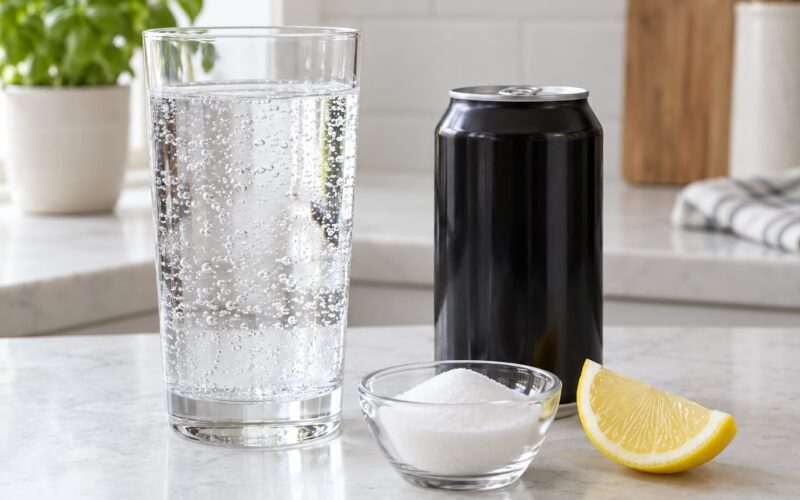
| Spirits with zero-calorie mixer | 1.5 oz plus 6 to 8 oz mixer | 100 to 120 | Soda water, tonic or diet ginger beer hold near zero |
| Mojito | 1 cocktail | 250 to 400 | Most of the load is sugar syrup |
| Piña colada | 1 cocktail | 300 to 500 | Juice, cream and syrup stacked together |
| Margarita, on the rocks | 1 cocktail | 200 to 300 | Tequila, lime and orange liqueur |
Pattern is obvious: the drink is rarely the problem, the sugar is. A shot and a soda is about 100 calories. The same bartender making you a piña colada with the same pour of rum is closer to 400. That is the swap that matters more than any beer label.
By setting, it goes like this. At a pub, take a spirit with a zero-calorie mixer and a large ice cube so the pour looks generous, or a half-pint of lager. At a cocktail bar, order on the rocks and skip anything with cream, coconut or more than a splash of sweetened juice. At a dinner party, bring a bottle of dry wine and measure your own glass so the silent double-pour never happens. At home, keep sparkling water in the fridge so alternating costs nothing and looks deliberate.
3. Eat a Balanced Meal First
Alcohol is best handled as dessert rather than as an appetiser. People who drink on an empty stomach do not stop at one glass, because the low blood sugar and lowered inhibition push them toward salty, starchy food at 11pm. That late-night eating does more damage than the drinks did.
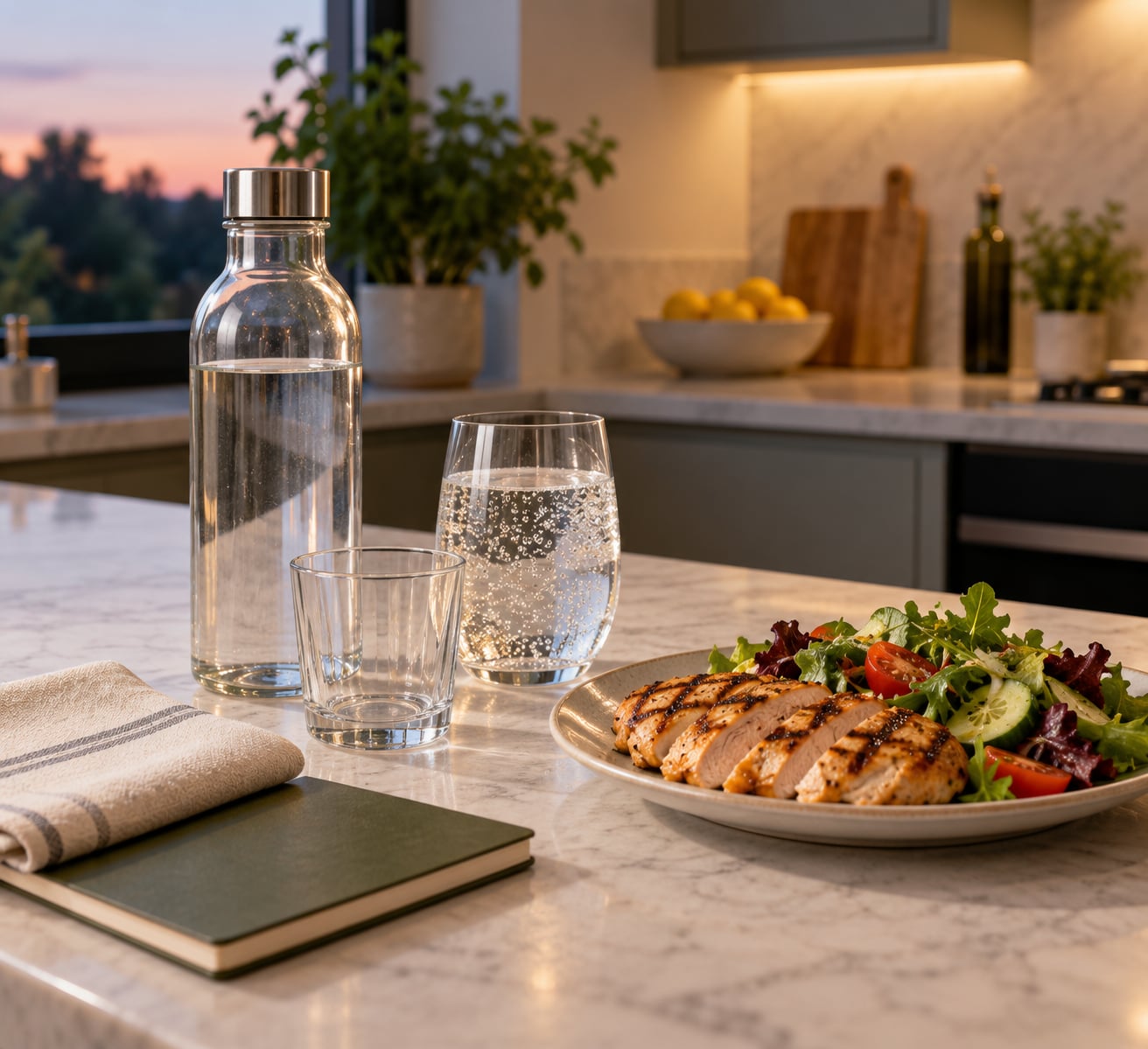
A pre-drink meal that works: protein plus fibre plus volume. Grilled chicken with salad, salmon and vegetables, eggs and toast, a bean-based bowl, Greek yoghurt with fruit. Protein and fibre slow digestion and blunt the hunger spike, which means fewer glasses and less 11pm snacking. Alcohol still affects judgment and metabolism no matter how much you ate first, so treat the meal as a practical head start rather than a shield.
If you eat dinner at the table, drink with it rather than before it. Two glasses alongside a meal you would have eaten anyway costs you nothing extra in planning terms. Two glasses on their own before dinner turns the same evening into a grazing tour of the menu.
4. Pace Yourself and Alternate With Water
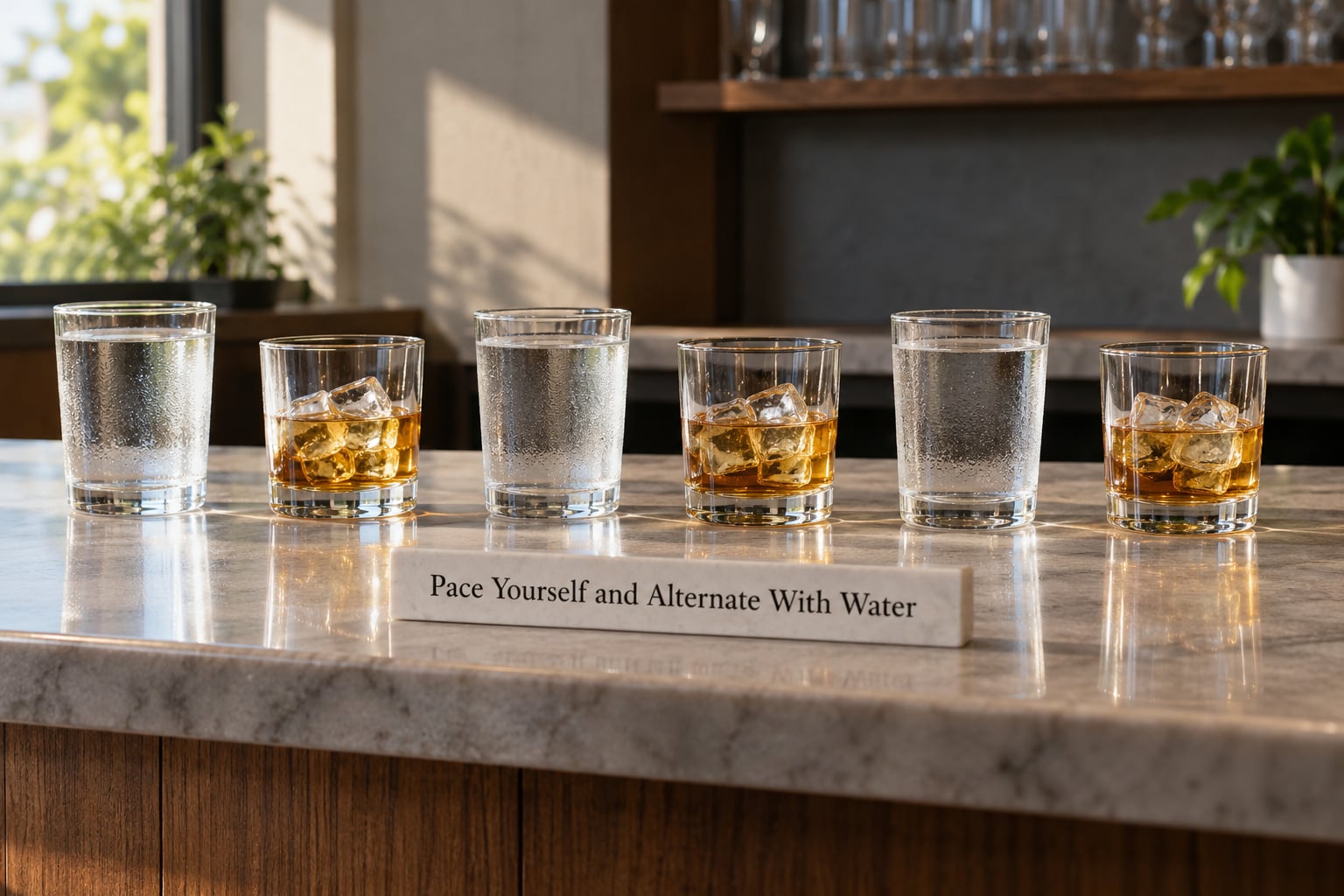
The every-other-drink rule exists because alcohol is a diuretic, so the two hours after the first glass tend to feel dry and out of sorts. Water between drinks slows the pace, fills the stomach with something volume-producing, and quietly cuts the number you would have drunk on autopilot.
Other habits that help: ask for the bottle or the pour rather than a second round arriving without your say-so. Drink slowly enough to notice the taste. Decide in advance what ends the night, which is usually the planned number, not the point where the room starts looking blurry. Put a glass of water or sparkling water in your hand next to the drink. And watch your standard: a large wine glass in a restaurant is commonly 175 ml, which is closer to 1.5 drinks than 1.
Stop when you reach the limit. Do not try to earn the calories back with a punishing session in the gym before bed. Most people who skip the walk because of a hangover end up eating more the next day, not less.
5. Keep Weekly Habits Consistent
Weight loss is decided by the average week, not the best day. A 500-calorie deficit that survives twelve months of normal life will beat a severe one that lasts three weeks every time.
That makes the morning after the important part, and it is where most of the damage actually happens. Drink a large glass of water before bed, eat ordinary meals the next day rather than skipping breakfast, and train as planned. If your leg weights are heavy and you feel rough, move gently and skip nothing permanently. Do not weigh yourself the next morning and react to a number that mostly reflects water, sodium and glycogen, not fat.
Log the drinks as they happen. Alcohol calories logged honestly in the same app as your meals tend to produce far steadier results than alcohol calories denied until the weekend catches up.
People in the r/loseit and r/WeightLossAdvice communities report a similar pattern: keep the weekly deficit, shift calories away from drinking days rather than cancelling the deficit, and log every drink. Some mention losing a lot of weight while drinking regularly, and just as many say they would not recommend how they did it, because saving calories for drinks left them short on protein and vegetables for the rest of the day. The habit that separates steady progress from a stalled scale is not the drink type, it is what your other six days look like.
Common Mistakes
Banking calories for alcohol. Skipping lunch so dinner with wine still fits the target. It works on paper and fails in practice, because you arrive at the table hungry and the following day you eat more. Move the calories earlier in the week instead.
Treating mixed drinks as spirits. People in drink-tracking threads are routinely surprised by the number on a cocktail. Vodka and cranberry, a gin and tonic and a rum and coke all carry sugar, sometimes 150 to 250 calories in a single glass. Order it plain or with a zero-calorie mixer and check the label if you are logging closely.
Eating after the last drink. This is the late-night sandwich problem, and it regularly adds more calories than the drinks themselves. Eat a real meal before you go out, and plan for the journey home rather than standing in a kitchen at midnight.
Skipping workouts to compensate. Two-hour hikes after a heavy night are a common sight in fitness forums. They are exhausting, they damage the next day’s training, and they rarely offset the surplus. Train on schedule and let the deficit do its job.
Calling one night a failed diet. This is the pattern that ends most plans. A single social event is noise, not data. Write down the next two meals and move on, because shame is what makes people quit, not the glass of wine.
One more: if drinking has become compulsive, if you have a history of disordered eating, or if you have tried cutting down repeatedly and failed, the advice here is not enough. Talk to a doctor, a registered dietitian or a support service. Alcohol and weight are rarely separate problems in those situations, and they deserve a real conversation rather than a meal-prep fix.
Frequently Asked Questions
Can you still drink alcohol and lose weight?
Yes, if your weekly calorie intake stays below what you burn. Alcohol is counted inside that budget like any other item. It supplies about 7 calories per gram with no protein or fibre, and it lowers inhibitions and disrupts sleep, so it slows progress rather than stopping it. Plan the limit in advance, pick lower-calorie options, eat before you drink, and return to your routine the next morning.
How many drinks a week can I have and still lose weight?
There is no magic number, because your deficit does the work. Work out a weekly alcohol budget instead: on a 1,800 calorie daily target, allowing 1,000 to 1,400 calories a week for drinks works out to roughly 140 to 200 calories per drink, or about two light beers or dry wines across the week. Spread them out rather than clustering them on one night, and log them like any other food.
What is the lowest calorie alcoholic drink?
A 1.5-ounce shot of clear spirits such as vodka, gin or tequila is the lowest option at roughly 100 calories, and it stays close to that with a zero-calorie mixer like soda water, tonic or diet ginger beer. Dry wine usually runs 100 to 130 calories per 5 ounces, and light beer 90 to 110 per 12 ounces. Sweet cocktails sit far higher, often 250 to 400 calories each.
Is beer worse than wine for weight loss?
Not by much per standard drink, and it depends on the pour. A 12-ounce light beer is roughly 90 to 110 calories, a standard lager 150 to 220, and a 5-ounce glass of dry wine 100 to 130. A large 175 ml wine glass can be closer to 1.5 drinks, which flips the comparison. Watch the serving size and the sugar rather than the category.
How do I stop myself eating after I drink?
Eat a proper meal with protein, fibre and volume before the first drink, and treat alcohol as dessert rather than an appetiser. Low blood sugar and lowered inhibitions are what drive the late-night kitchen raid, so a full meal blunts both. Plan your journey home before you go out, and have something easy ready for the morning. Late-night eating after drinking regularly costs more calories than the drinks.
Conclusion
Start with one decision: before the next occasion, decide how many drinks you are having and move a couple of hundred calories out of the earlier part of the week to pay for them. Choose spirits with a zero-calorie mixer or a glass of dry wine, eat a protein and fibre meal first, alternate with water, and stop when you hit the number you set.
Then the next morning, eat normally, hydrate, train as planned and carry on. How to drink alcohol and still lose weight comes down to fitting the drinks into a deficit you keep week after week, not to white-knuckling your way through a dry year.