To stop drinking soda, cut it back gradually over three to four weeks and replace each serving with something that gives you the same thing it was giving you: bubbles, sweetness, or caffeine. Going cold turkey works for a few stubborn people, but tapering wins for most, because a daily can of regular soda carries 39 to 45 grams of added sugar and 25 to 50 milligrams of caffeine, and your brain notices when both vanish overnight.
One 12-ounce can usually lands around 140 to 170 calories, and that added sugar works out to roughly nine or ten teaspoons. For context, the American Heart Association suggests no more than 25 grams of added sugar a day for women and 37 grams for men, so a single afternoon can can eat most of a day’s limit.
Here is the short version. Five moves, in order:
- Cut back slowly. Shave off one serving a week rather than all of them at once.
- Swap the fizz. Keep a carbonated drink in the fridge so the bubbles stay.
- Manage caffeine. Replace the afternoon soda with coffee or tea instead of losing the lift.
- Drink water first. Thirst gets mistaken for a soda craving more often than people expect.
- Remove temptation. If soda is not in the house and not in your cart, the decision never gets made.
Below is how to stop drinking soda across 30 days, including the substitute list, what withdrawal actually feels like, and how to handle the weeks when everyone else in your house is still drinking it.
Table of Contents
- What You Need
- A water bottle you like carrying
- One replacement drink, chosen honestly
- A way to track what you drink
- A reason that survives week three
- Step-by-Step: How to Stop Drinking Soda
- Week 1: Observe Your Soda Habits
- Week 2: Reduce the Frequency
- What to Drink Instead of Soda
- Week 3: Manage Cravings and Triggers
- How to stop drinking soda cravings in the moment
- Week 4: Build a Soda-Free Routine
- Quitting Diet Soda, Coke Zero and Other Zero-Sugar Sodas
- When Everyone Else in the House Still Buys Soda
- Common Mistakes
- Going all-or-nothing on day one
- Switching everything to diet soda
- Replacing soda with nothing but plain water
- Skipping meals to compensate
- Treating yourself as the problem
- Expecting every craving to disappear
- Frequently Asked Questions
- How long does it take to stop craving soda?
- Is it better to quit soda cold turkey or taper off?
- Do you get headaches when you stop drinking soda?
- How do I quit diet soda or Coke Zero?
- What can I drink instead of soda besides water?
- Will I lose weight if I stop drinking soda?
- Conclusion
What You Need
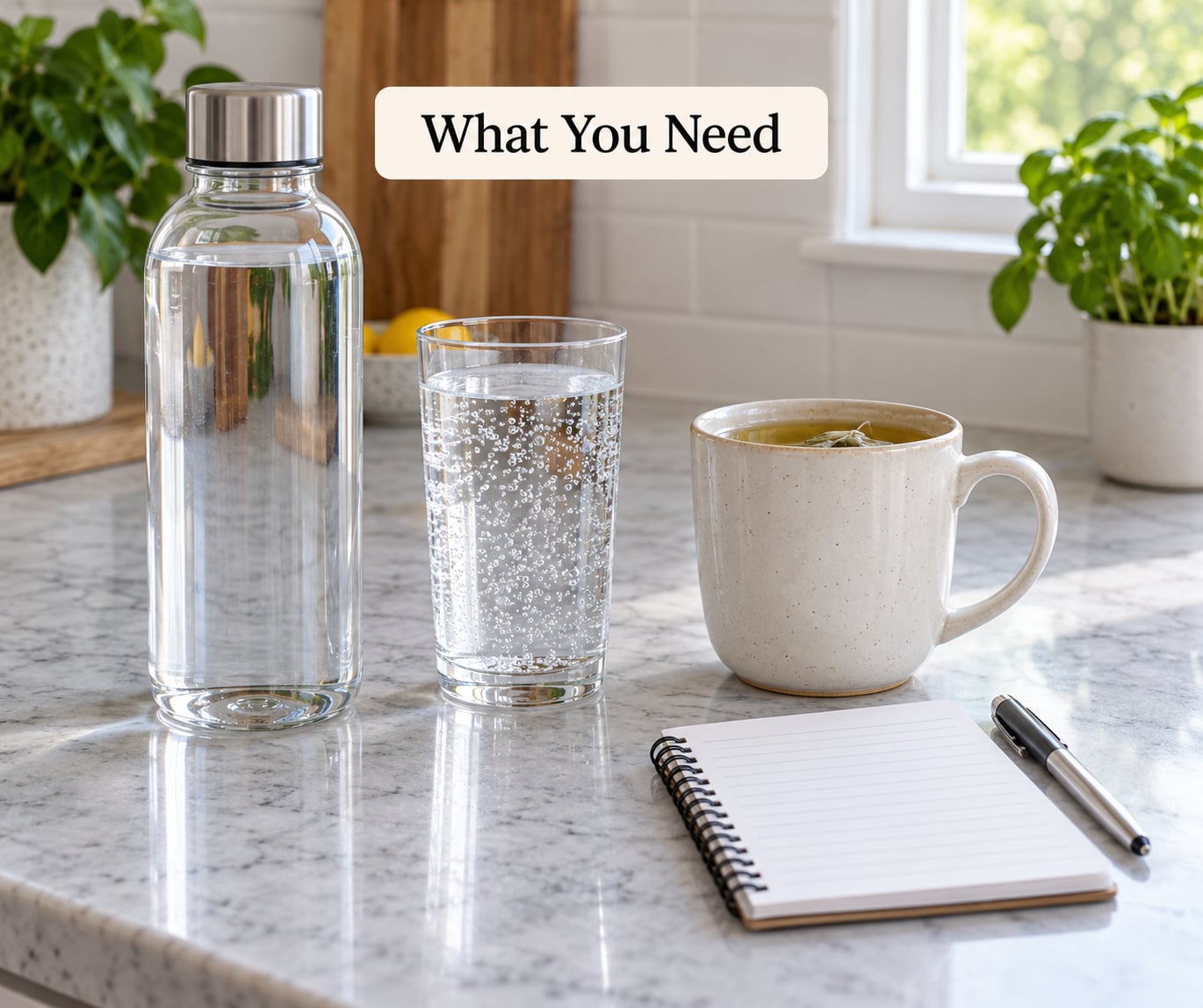
Four things, and none of them expensive. Most people who fail at this fail because they removed the soda without replacing the job it was doing.
A water bottle you like carrying
Not a jug that lives on a desk. A bottle that goes where you go, because the replacement drink has to be as convenient as the soda was or the habit wins by default. A refillable bottle also removes the drive-through and the vending machine from the equation.
One replacement drink, chosen honestly
Pick one thing you will actually drink every day rather than a list of eight things you admire. Sparkling water is the obvious answer and it works for plenty of people, but it is not for everyone, and forcing yourself to drink something you dislike is how people end up quitting the quitting.
A way to track what you drink
A notes app, a paper notebook, or a quick tally in the notes on your phone. For four weeks that is genuinely all the data you need: how many, when, and what triggered it.
A reason that survives week three
Money, energy, teeth, blood sugar, or just not wanting to be carrying the habit around anymore. Day one is easy because motivation is high. Week three is when a vague sense of wellness quietly loses to a cold glass of something fizzy.
If you already track other things, keeping soda in the same notebook as food or training tends to work better than a separate app.
Step-by-Step: How to Stop Drinking Soda
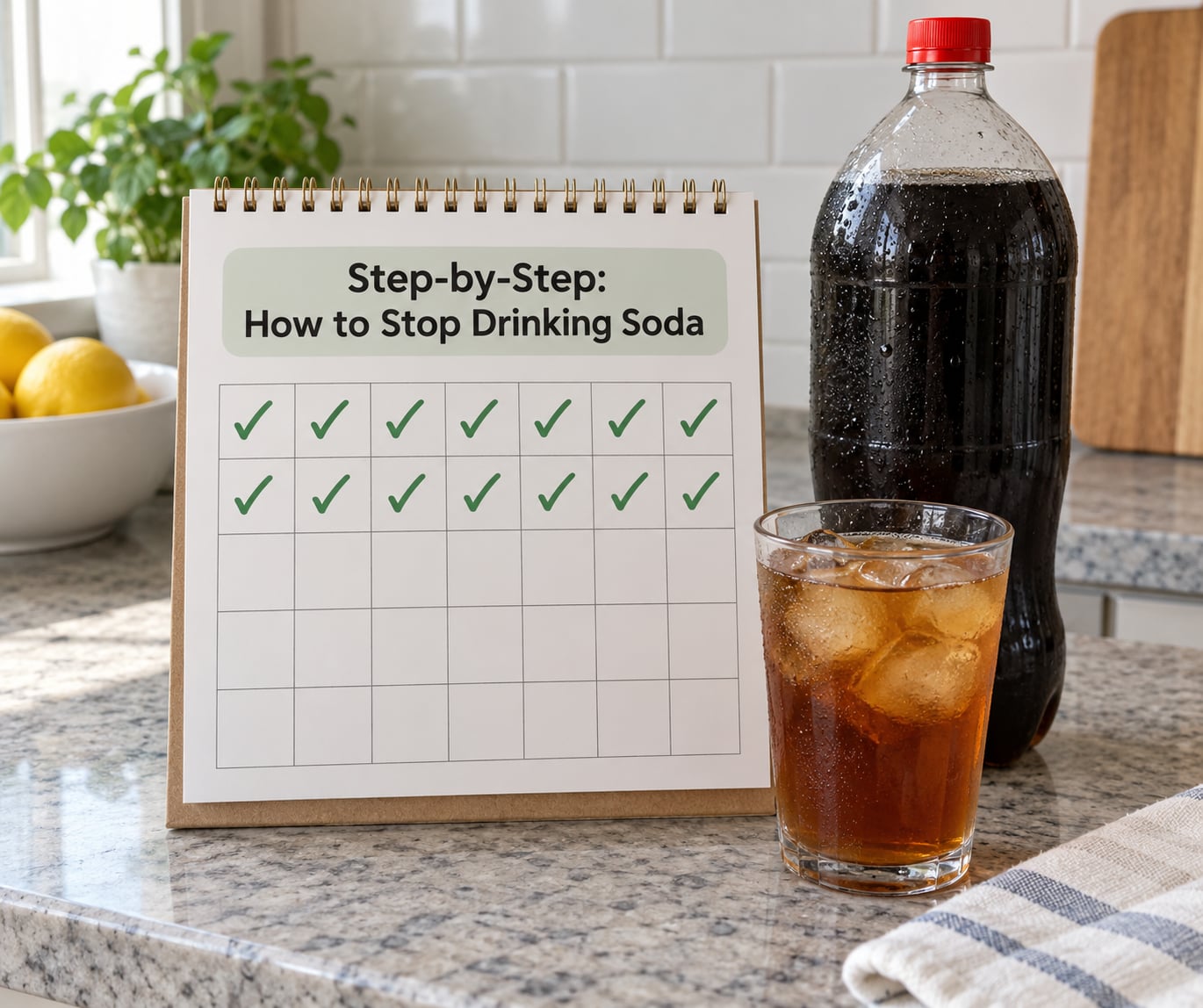
Week 1: Observe Your Soda Habits
Do not change anything yet. For seven days, just write down every soda you drink: time, where you were, what you were doing, and what came before it. That last one is the useful column.
Most people find three or four recurring patterns rather than a random scatter of cans. The 3 p.m. coffee break. The long drive home. The can that comes out of the fridge while cooking dinner. Once you can see those, you can attack them one at a time.
Also count the volume. A single 12-ounce can is one unit, but a fountain drink or a 20-ounce bottle is closer to two, and plenty of people are surprised by how much the bigger sizes add up.
By the end of week one, write down your starting number. That number, and not a goal, is what the rest of the plan works from.
Week 2: Reduce the Frequency
Now remove servings, not flavour. The most repeated approach for quitting soda is a dilution taper using a two-litre bottle: fill it 75 percent with your regular soda and 25 percent with diet, drink that for about two weeks, then switch to 50/50, then 25 percent regular and 75 percent diet. The sweetness steps down while the ritual, the bottle in the fridge, and the taste of cola all stay familiar.
If diet soda is not your thing, there is a simpler version of the same idea. Pick your single easiest serving to cut and replace it. For many people that is the afternoon can, because the morning can is usually attached to a meal and the afternoon one is attached to nothing more than a clock.
Keep meals and social situations manageable this week. Quitting soda while also changing everything else is how people get frustrated and quit quitting.
What to Drink Instead of Soda
The standard advice is sparkling water, and for many people it genuinely works: you keep the carbonation, you lose the sugar and calories, and the fridge still holds a fizzy bottle. But a good chunk of people flatly dislike it, so think of this as four separate jobs rather than one replacement drink.
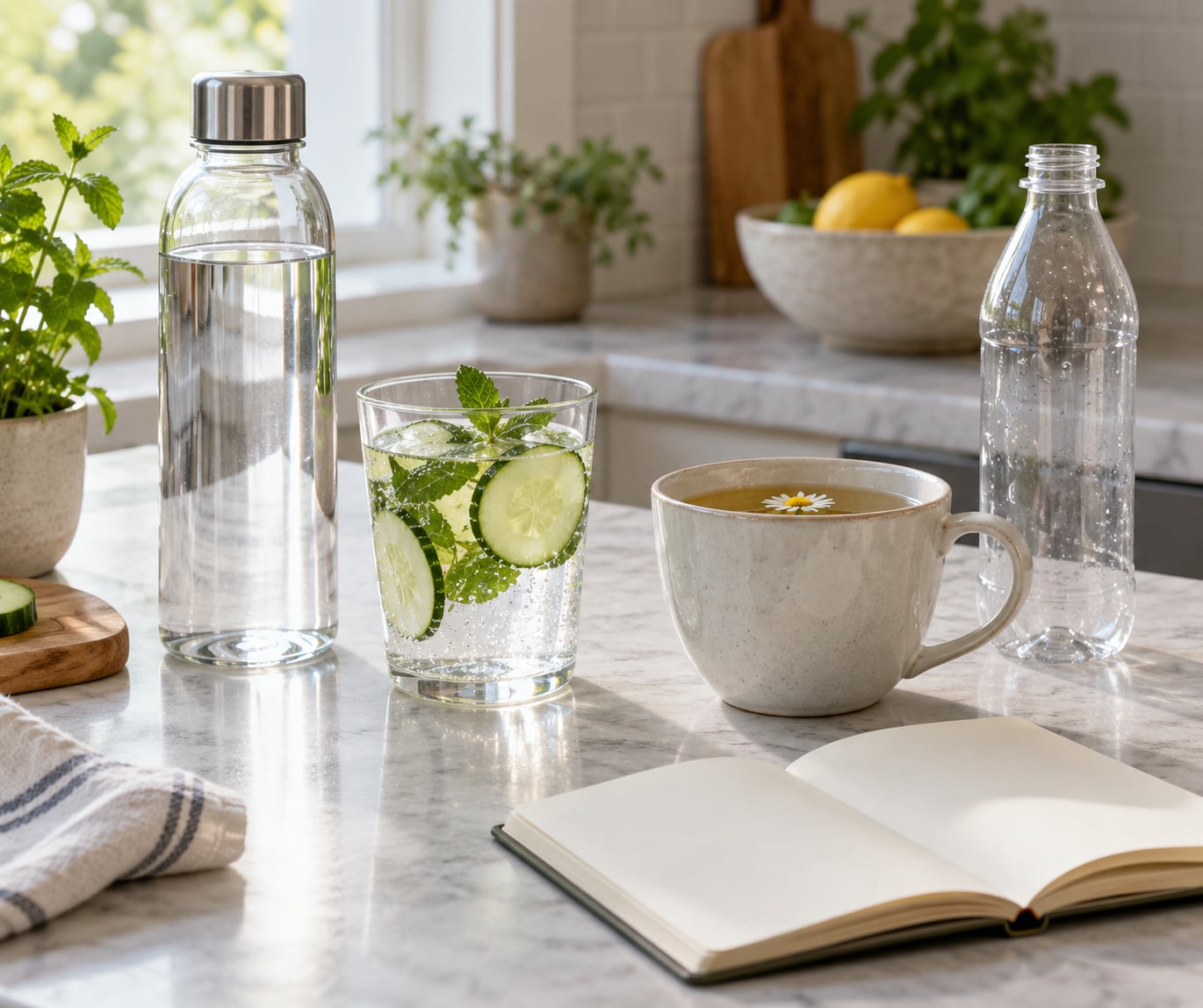
- If you want the bubbles: sparkling water, club soda, or sparkling green tea. Add lemon, cucumber, or mint if plain carbonation tastes flat to you.
- If you want the sweetness: unsweetened iced tea with a splash of juice, cold-brew coffee with a little milk, or a small square of dark chocolate as an actual sweet treat rather than a liquid one.
- If you want the caffeine: coffee or black tea. A cup of coffee holds roughly 95 milligrams of caffeine, so one small serving replaces the caffeine in about three sodas. The FDA treats 400 milligrams a day as the upper limit for most healthy adults.
- If you want the ritual: reuse the soda bottle itself. Fill an empty two-litre with steeped tea and a squeeze of lemon, or with sparkling water and cucumber. The bottle you already know kills the cue and keeps the convenience.
Kombucha and coconut water come up often as substitutes too, though both can carry sugar and caffeine, so read the label rather than assuming.
Week 3: Manage Cravings and Triggers
This is the hard week, and it is hard for a boring reason: the physical part is mostly done, and what is left is cue and habit. Cravings here are usually tied to a specific situation rather than to genuine thirst or hunger.
The same handful of tools handles most of it. Drink a large glass of cold water and wait ten minutes, because thirst does a convincing impression of a craving. Pair soda moments with food instead of drinking on an empty stomach. Take a walk, step outside, or do ten minutes of something else with your hands busy, since a craving is a wave and it passes without being fed.
Then there is framing. Instead of telling yourself you are forbidden soda, tell yourself the true thing: you can have this whenever you want, and today you do not want it. That single change from prohibition to choice does more for most people than any amount of willpower.
How to stop drinking soda cravings in the moment
When a craving lands hard, run it in order. First, drink water and wait ten minutes. Then decide whether you are hungry, bored, tired, or genuinely thirsty, because each of those has a different answer. Then take the smallest satisfying version of what you want: a smaller glass, a glass of the replacement drink you already keep in the house, or a sweet food you eat rather than sip.
Keep one soda visible rather than hidden. Out of sight, out of mind is true until the vending machine at 3 p.m. reminds you it was never really out of mind. Put your quit date on a small card and stick it to the bottle or the fridge. Annoying, but it works better than willpower alone.
Week 4: Build a Soda-Free Routine
Most people reach this point with three honest options, and picking the right one matters more than picking the strictest one. Fully quit regular soda. Cap it at special occasions only, where a birthday slice or a barbecue actually happens. Or keep reducing slowly, one serving a week, if you genuinely enjoy soda and have no health reason to stop.
Whatever you choose, protect the two things that made the month work: hydration and a drink you actually enjoy. Cutting soda while replacing it with nothing but bland water is how people end up back at the fridge at nine at night.
Quitting Diet Soda, Coke Zero and Other Zero-Sugar Sodas
Zero-sugar soda is a genuinely different quit. There is no sugar and no meaningful caffeine load to taper, so the habit is doing all the work. The most common reason people get stuck is that they went to diet as a permanent solution and then found they disliked the taste without ever addressing the underlying craving.
Treat it as one stage of the same plan. Use it as the middle step of a dilution taper if it helps, keep it to a fixed window rather than an open-ended habit, and pair it with an actual drink you like so it is a bridge rather than a destination.
When Everyone Else in the House Still Buys Soda
This is the most common sticking point, and it is worth naming directly. Soda has often been in the house since childhood, the fridge gets stocked by someone else, and the default becomes whatever is in the door.
Three things help. Ask the person who shops to put your replacement drinks on the list, so there is something for you in the fridge too. Keep your own bottle or cans in a spot that is yours. And stop negotiating with yourself in front of the open fridge, which is a losing argument to win every time.
Common Mistakes
Going all-or-nothing on day one
The version where you swear off soda entirely and quit the plan three days in. A missed serving then becomes a ruined month. Slow removal keeps small failures small.
Switching everything to diet soda
Diet soda is useful as a tapering step, not as a permanent destination. Plenty of people find it worse than the thing they were trying to escape.
Replacing soda with nothing but plain water
Water is not a craving-killer, it is a neutral filler. If the fizzy, sweet, cold part of the ritual is missing, the craving does not go anywhere.
Skipping meals to compensate
Dropping soda calories without replacing them with food tends to end in a bigger rebound later in the day. Cut the drink, keep your meals ordinary.
Treating yourself as the problem
Shame is not a plan. People describe quitting soda as draining or embarrassing, which makes the next attempt harder rather than easier. The habit was built out of cues and repetition, and it can be taken apart the same way.
Expecting every craving to disappear
Physical dependence settles within a couple of weeks. Situational cravings can surface months later, usually at a gas station or during a hard afternoon. Plan for that moment instead of treating it as failure.
Frequently Asked Questions
How long does it take to stop craving soda?
Most people notice cravings peak in the first three to five days and fade substantially by the end of the first two weeks. After that, what is left tends to be situational rather than physical, so a craving shows up when you pass the same gas station or hit the same 3 p.m. slump. A gradual taper usually stretches this out slightly but makes it far more bearable than stopping cold.
Is it better to quit soda cold turkey or taper off?
For most people, tapering. Cutting back over three to four weeks gives your nervous system time to adjust to less caffeine and lets you rebuild the habit piece by piece. Cold turkey can work if you are decisive and the withdrawal is short, but people who go cold turkey are more likely to restart within a week. Pick the path you can sustain, not the one that sounds tougher.
Do you get headaches when you stop drinking soda?
Yes, headache is the most commonly reported withdrawal symptom, because a daily soda habit carries 25 to 50 milligrams of caffeine and your brain adapts to that dose. Symptoms usually appear within 12 to 24 hours, peak around days two and three, and largely resolve within a week or two. Replacing the caffeine with coffee or tea in smaller amounts usually makes it much easier.
How do I quit diet soda or Coke Zero?
Treat it as one stage of a longer plan rather than a permanent swap. Fix a window for it instead of drinking it all day, use it as the middle step of a dilution taper if that helps, and pair it with a drink you genuinely enjoy. Since there is no sugar to taper, the work is entirely about the cue and the ritual, which is where the habit maintenance matters most.
What can I drink instead of soda besides water?
Match the drink to the job the soda was doing. For bubbles, try sparkling water, club soda or sparkling green tea. For sweetness, unsweetened iced tea with a splash of juice, or a small sweet food you eat rather than sip. For caffeine, coffee or black tea, where one cup holds roughly 95 milligrams. If bubbles are not for you, cold tea in the old soda bottle still keeps the ritual intact.
Will I lose weight if I stop drinking soda?
Often yes, because a single 12-ounce can runs about 140 to 170 calories and drinks are easy to add without noticing. One a day is roughly 1,000 calories a week, and calories in liquid form tend not to blunt appetite the way food does. The drop is not guaranteed and depends on the rest of your diet and activity, so treat it as a side effect of a change worth making anyway.
If your soda habit comes with other symptoms, or you want the plan tailored to your own intake and health history, a registered dietitian is the right person to ask. They can look at the full picture rather than a single drink.
Conclusion
Do not plan thirty days tonight. Pick the one habit you noticed most in week one, replace that single serving with something you enjoy, and track it for seven days.
That is the whole start: one can, one swap, one week of notes, and the honest number you found at the beginning to compare against at the end. Most people who get how to stop drinking soda right treat it as a swap problem rather than a discipline problem.