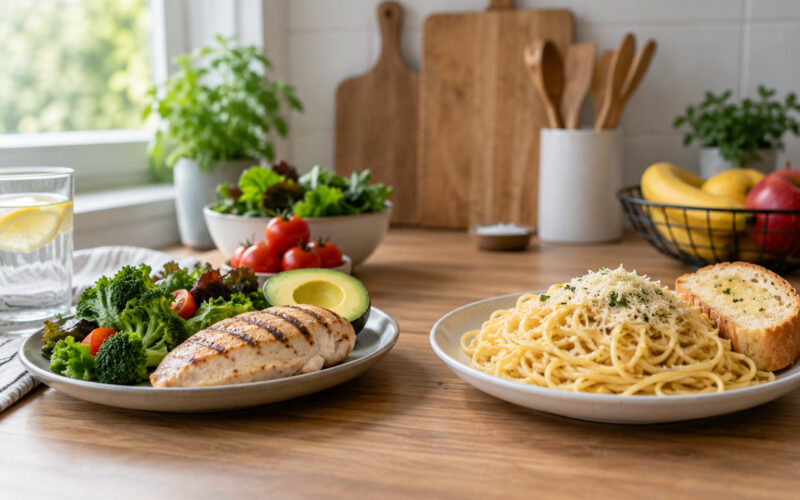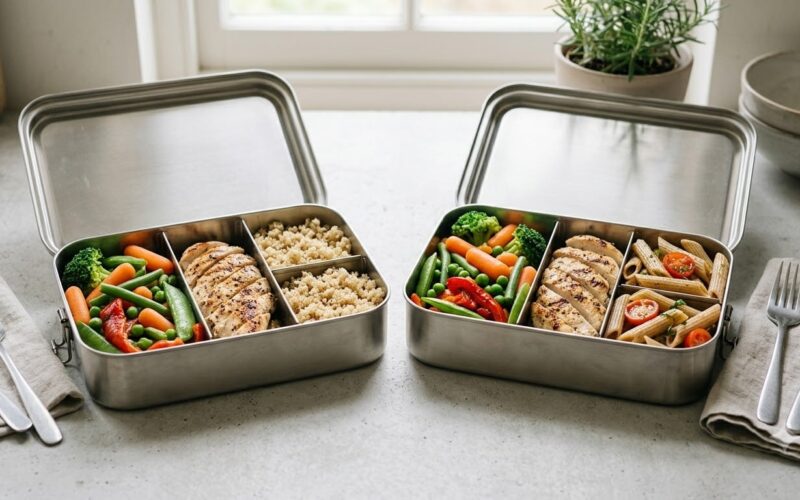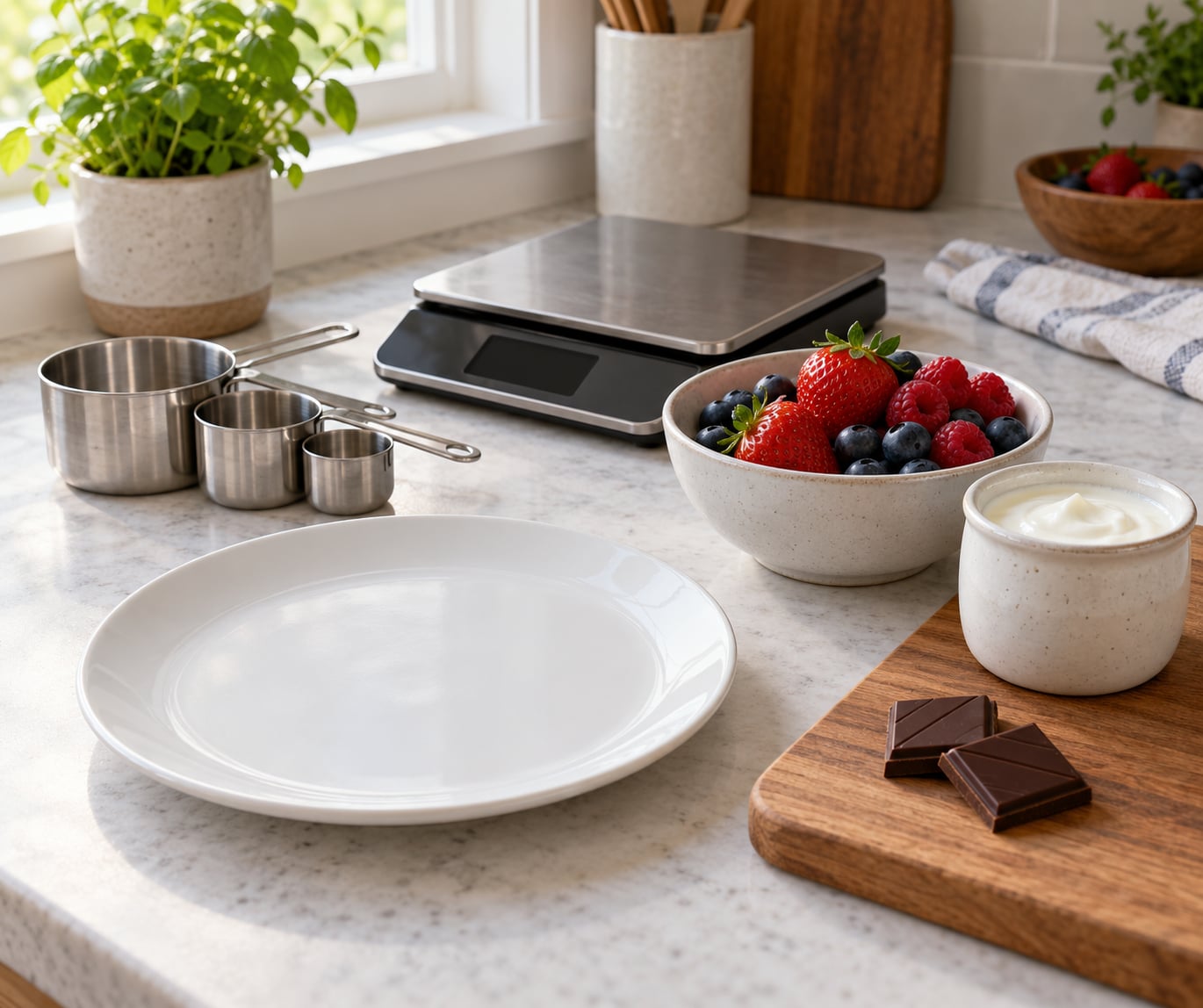
Yes, you can eat dessert and still lose weight. Weight change comes from your total energy balance over weeks and months, not from one slice of cake. Learning how to lose weight without giving up dessert is about portion size, timing and what you build the rest of your plate around.
The people who keep dessert in their diet and still lose weight are rarely doing anything clever. They eat normal meals most days, plan the treat instead of reacting to it, and stop treating a dessert as a moral failure. That last part matters more than any food rule, and I’ll come back to it.
This guide is general information for adults, not personal medical advice. If you have a health condition, take medication, or are pregnant, talk to your doctor or a registered dietitian before changing how you eat.
Table of Contents
- What You Need
- How to Lose Weight Without Giving Up Dessert Step by Step
- Step 1: Set a sustainable calorie and activity baseline
- Step 2: Build meals that include protein, fiber, and volume
- Step 3: Choose a dessert portion before serving
- Step 4: Make dessert more filling with simple swaps
- Step 5: Track the pattern and adjust gradually
- Common Mistakes
- Frequently Asked Questions
- Can I really lose weight if I still eat dessert?
- What dessert is best for weight loss?
- How often should I eat dessert while losing weight?
- Does exercise matter if I am changing my diet?
- Are artificial sweeteners a healthy weight-loss substitute?
- When should I ask a doctor or registered dietitian for help?
- Conclusion
What You Need
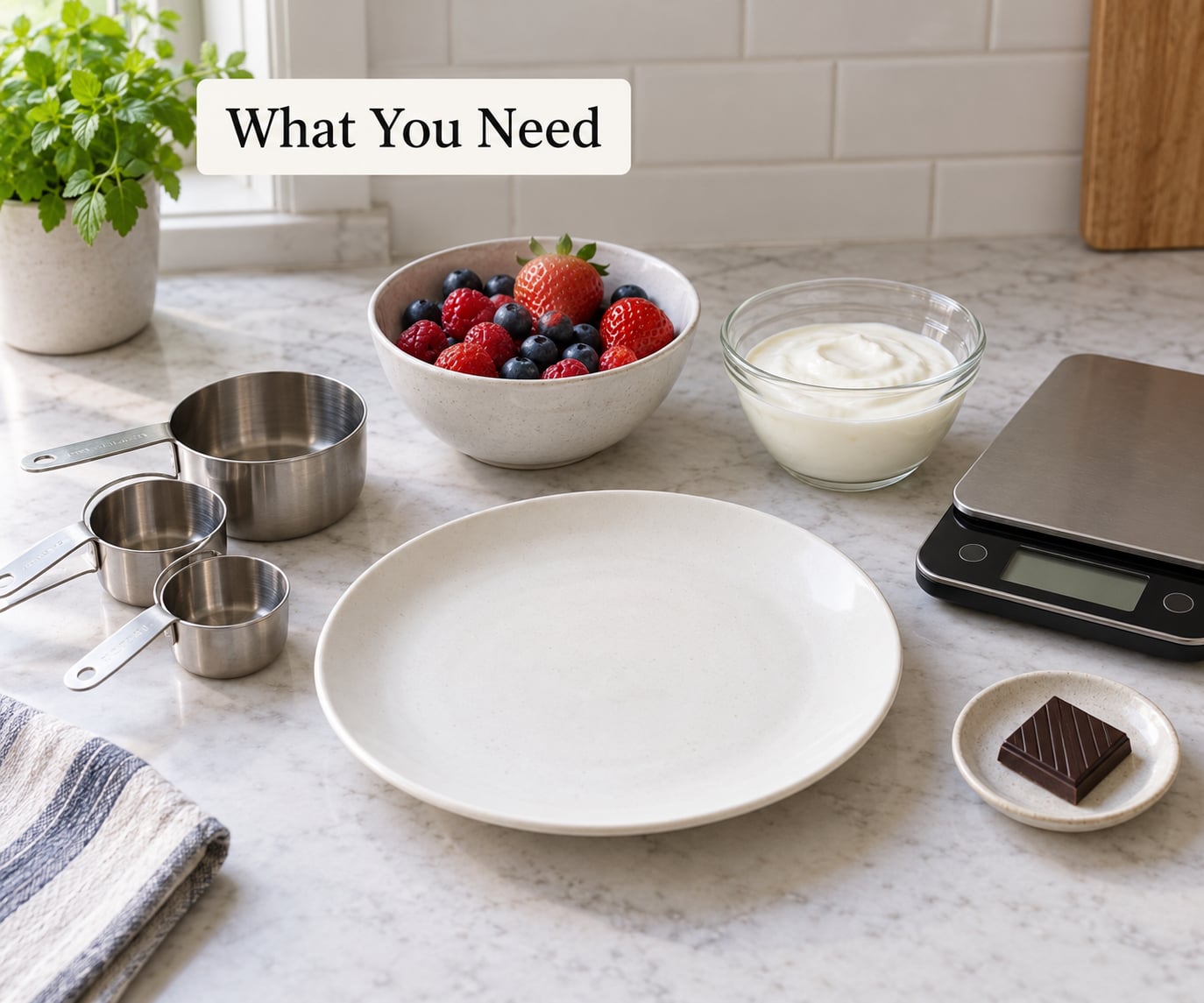
You don’t need a special diet, a meal plan subscription or an expensive gadget. Everything below is a workhorse.
- A food scale or measuring cups. Most packaged desserts are easy to eyeball badly. Weighing once tells you what your actual portion looks like, and after that your hand works fine.
- A smaller plate or bowl. This is the single least expensive portion tool there is.
- A notebook or phone app. One week of honest tracking is worth more than a month of guessing. Note what you ate, when, and how hungry you were.
- Water. A lot of afternoon snacking is thirst wearing a costume.
- Useful ingredients for swaps: plain yogurt, frozen berries, oats, cocoa powder, a dark chocolate bar you don’t eat standing up, a banana, peanut or almond butter, cinnamon, vanilla extract.
That’s the whole list. If you can weigh a portion and keep a week of notes, you have everything the plan below needs.
How to Lose Weight Without Giving Up Dessert Step by Step
Step 1: Set a sustainable calorie and activity baseline
Start with one week of normal eating, tracked. Weigh yourself on the same day each week, at the same time of day, and record your average activity. The point is not to be perfect. The point is to stop guessing.
I’m not going to hand you a universal calorie target, because I don’t know your age, your size, your job or your history. Guidelines from major health bodies put most adults somewhere in a broad range, and anything under about 1,200 calories a day is a plan you should only follow with medical supervision.
From that baseline, change one or two things. Trying to fix sleep, sugar, portions, movement and stress in the same month is the fastest way to quit in month two. The research on this is unusually clear. A 2005 trial in JAMA followed 160 adults on varying calorie-restriction plans for a year and found that how well people stuck to the plan predicted weight loss far better than which plan they picked.
Two more findings are worth knowing. A 2013 BMJ meta-analysis looked at whether sugar specifically drives weight gain once calorie intake is accounted for, and concluded it does not appear to on its own. And a study published in Physiology & Behaviour ran a 12-week program that included planned small portions of the foods participants craved most; 30 people enrolled, 24 finished, and the group averaged about 7.9% weight loss, settling near 6.7% after a maintenance phase. It’s a small trial with no control group, so treat it as encouraging rather than proven.
Still, the direction is consistent: plans people can maintain beat plans that are stricter on paper.
Step 2: Build meals that include protein, fiber, and volume
Dessert lands very differently depending on what came before it. A cookie after a lunch with chicken, lentils and a big salad is a small event. The same cookie at 3pm on an empty stomach is usually the start of eating everything in the cupboard.
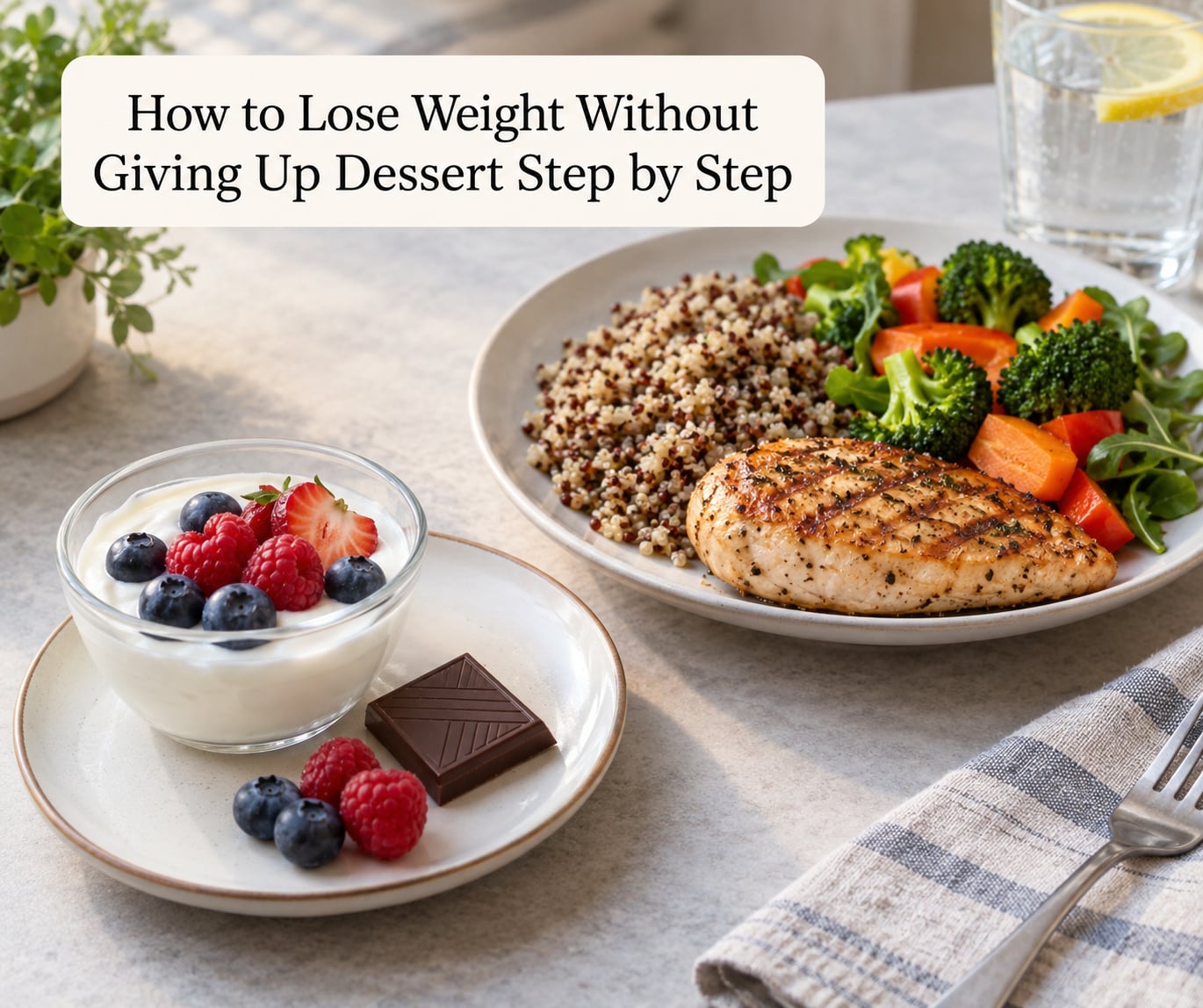
Protein and fiber are what make that distinction. Both extend satiety, and both blunt the blood sugar swing that follows a sweet serving, which is why a yogurt-and-berry dessert usually stops you and a caramel latte often doesn’t.
As for timing: dessert after a balanced meal generally beats a mid-afternoon top-up on an empty stomach. But be honest with yourself about which kind of eating this is. Hunger-driven means you are genuinely under-fueled and should probably eat a real snack. Pleasure-driven means you want something nice, which is also fine, just plan it.
Add vegetables and volume to most meals. A plate with a large vegetable component takes up space, slows eating and makes a normal portion of dessert feel like a reasonable second half of the evening rather than an event.
Step 3: Choose a dessert portion before serving
Decide the amount while calm, not while holding the bowl. Most overeating happens because the portion was never defined.
- Use the smaller bowl. Portion size reads differently in a shallow bowl than in a big one. Same dessert, different amount.
- Plate it, never eat from the container. This is the highest-leverage habit in the whole article and it takes no willpower.
- Divide restaurant portions. Ask for two forks, take half, or box the rest before you start.
- Share at celebrations. Birthday cake and holiday baking are social events. Take a small slice, sit down, enjoy it, move on.
- Buy the single-serving format when the multipack is what you’re actually tempted to finish.
For a sense of scale, a square of dark chocolate is roughly 100 to 170 calories, a small cookie about 100 to 150, a modest scoop of ice cream around 130 to 160, and a slice of frosted cake often 300 or more. Know these numbers once and you can eyeball a portion for the rest of your life.
Step 4: Make dessert more filling with simple swaps
You don’t need a new recipe every week. Change one thing about the dessert you already like and the calories drop without the experience collapsing.
| Craving | Instead of | Try | Roughly per serving |
|---|---|---|---|
| Ice cream | A full bowl | Two-thirds of a scoop with berries stirred in | 100-150 calories |
| Chocolate | A bar eaten standing at the cupboard | Two squares of 70% dark, eaten seated | 100-170 calories |
| Cake or frosting | A thick frosted slice | One slice with the icing scraped off, or a smaller piece with fruit on top | 150-250 calories |
| Cookies | Three from the bag | Two, with a glass of water, sitting down | 100-150 calories |
| Pudding or custard | A full ramekin of a rich version | Half a ramekin of a lighter one, or plain yogurt with cocoa powder and a little sweetener | 100-180 calories |
| Frozen treats | Popsicle, shared | Frozen grapes or a small banana half with a yogurt-based dip | 80-150 calories |
| Coffee drinks | A large sweetened latte | A small drink with fewer pumps, or a small one with milk instead of syrup and cream | 80-200 calories |
These are estimates for typical servings, not lab measurements. Labels vary a lot between brands, which is another good reason to glance at the nutrition panel once in a while.
If you follow a low-carb or keto plan, or take a GLP-1 medication, the logic changes slightly. Sugar-free or high-fibre versions suit low-carb approaches. With GLP-1 medications, sweet foods can feel unappealing on their own, and very rich desserts can be hard to tolerate. Ask your prescriber or pharmacist before changing your eating pattern around your medication.
Step 5: Track the pattern and adjust gradually
Weight on the scale moves day to day for reasons that have nothing to do with dessert. Look at the weekly average over four weeks or more, and keep a short weekly note of four things: how many times you had dessert, roughly how big the portion was, where you ate it, and how hungry you were beforehand.
That four-part note is more useful than the scale. It tells you whether the problem is frequency, portion size, context, or hunger.
Adjust slowly, one lever at a time. Too much dessert three times a week means drop to two, or keep three and shrink the portion. Daily small servings plus a big weekend treat means keep the daily servings trivial. There’s no prize for changing everything at once.
Talk to a doctor or registered dietitian if you have diabetes, kidney disease, a history of disordered eating, or if weight changes stop responding to a plan that used to work, or if you feel faint, dizzy or constantly exhausted. Those are reasons to get individual guidance, not to push harder.
Common Mistakes
Skipping meals to “make room” for dessert. You arrive at the treat genuinely hungry, eat more than planned, then feel bad. Keep your meals. A 150-calorie dessert fits inside a normal day without anyone having to go hungry.
Calling dessert cheating. The word implies a broken rule, and broken rules invite broken weeks. If dessert has become something you earn or deserve, the plan is already in trouble. This is the single most common reason people quit, and it has nothing to do with calories.
Adding a punishing workout the next day. You can’t reliably out-exercise a bad day of eating, and training you resent becomes training you skip. Move because movement helps you, on a schedule you like.
Reaching for anything labeled low-fat or low-sugar. Packages are built to sell. Many “reduced fat” cookies have more sugar and fewer calories than nothing in particular, not because of fraud but because fat and sugar trade off. A labeled treat is still a treat, so keep the portion rules.
Eating a large portion because the recipe sounds healthy. A fruit-based tray of yogurt, granola and honey can be 400 calories if you keep adding handfuls. Healthiness lives in the ingredients and the portion, not the name.
Changing every habit at once. Fix sleep, cut sugar, start lifting and quit snacking all in the same month. Pick one change and let it become boring before you add the next.
Frequently Asked Questions
Can I really lose weight if I still eat dessert?
Yes. Weight change depends on whether you consistently eat fewer calories than you burn across weeks, not on any single dessert. Plan a portion of roughly 100 to 200 calories, eat it after a balanced meal rather than on an empty stomach, and eat it most days instead of bingeing. Two to four planned servings a week fits comfortably inside most adult calorie budgets. If you are managing a medical condition or take medication, get individual guidance from your doctor or a registered dietitian.
What dessert is best for weight loss?
The best dessert is one you will actually keep eating in a sensible portion. In practice that usually means something with protein and fiber, like plain yogurt with berries and cocoa powder, frozen fruit, or a small square of dark chocolate. Dense pastries and large frozen drinks are the hardest to portion. If a low-calorie version tastes artificial and unsatisfying, you will eat more of it, so use the version you actually enjoy and control the portion instead.
How often should I eat dessert while losing weight?
For most adults, two to four times a week in a planned portion works well. Daily dessert is also fine if each serving is small, around 100 to 150 calories, and it is not replacing meals or protein. What tends to cause trouble is not frequency on its own but frequency plus large portions plus guilt. Pick a rhythm you can keep for months, then adjust based on your own weight trend rather than someone else’s plan.
Does exercise matter if I am changing my diet?
Yes, and it matters for reasons beyond weight. Movement helps preserve muscle while you lose fat, supports mood and sleep, and makes it easier to keep a deficit without cutting food. But movement is not a way to cancel out dessert, and a punishing session after a treat usually leads to resentment rather than progress. Choose activity you enjoy and do it consistently rather than occasionally and intensely.
Are artificial sweeteners a healthy weight-loss substitute?
They can lower the calories in a dessert, and for some people that makes a treat more workable. The evidence for weight loss benefits on their own is limited and mixed, and very sweet drinks can keep cravings switched on for some people. A reasonable approach is to use them when you genuinely like the result, and to keep your focus on portion size and frequency rather than on a single ingredient. If you are pregnant or managing diabetes, ask your clinician first.
When should I ask a doctor or registered dietitian for help?
Ask for help if you have diabetes, kidney disease, thyroid problems, a history of disordered eating, or if you are pregnant or breastfeeding. Also seek advice if weight stops moving despite a consistent plan, if you feel faint, dizzy or constantly tired, if your eating has become rigid, or if you take medication that affects appetite. A registered dietitian can set a realistic calorie range and build dessert options around your specific needs instead of a generic plan.
Conclusion
Start with three things this week. Keep your normal meals, pick one dessert and one portion before you serve it, and use a single swap that makes that portion more filling.
Then give it four weeks and look at your weekly average, not a single morning reading. Losing weight without giving up dessert is mostly repetition, not restraint. The plan that works is the one still working in month six, and for most people that means dessert stays in it.