To lose water weight naturally, drink water steadily through the day, cut back on the saltiest foods, eat more potassium-rich whole foods, move most days of the week, and keep a consistent sleep routine. Temporary fluid shifts usually clear within 24 to 72 hours, and none of it requires pills, teas, or restrictive dieting.
Water weight is just fluid your body is holding in and around your tissues. It comes and goes in hours or days, which is why the scale can swing 3 or 4 pounds overnight without a single ounce of fat changing. The five steps below target the usual causes: sodium, stored carbohydrate, hormonal shifts, sitting still, and poor sleep.
One honest note up front. You cannot choose exactly when it leaves, and anyone promising you 10 pounds overnight is describing water you dehydrated yourself out of, not a change you can repeat safely. General information only here, so if any of this sits alongside a health condition or medication you take, run it past your doctor or a registered dietitian first.
Table of Contents
- What You Need
- Step-by-Step: How to Lose Water Weight Naturally
- Drink Enough Water Consistently, Not Less
- Reduce Very High-Sodium Foods to Lose Water Weight Faster
- Choose Water-Rich, Balanced Foods
- Move and Strengthen Through the Week
- Use Consistent Sleep and Daily Habits
- Common Mistakes
- Tips
- Frequently Asked Questions
- How quickly can I lose water weight naturally?
- What commonly causes temporary water weight?
- Does drinking more water help with water retention?
- Can exercise help reduce water weight?
- How do I know if my weight changes are water weight?
- When should swelling or rapid weight changes prompt a doctor’s visit?
- Conclusion
What You Need
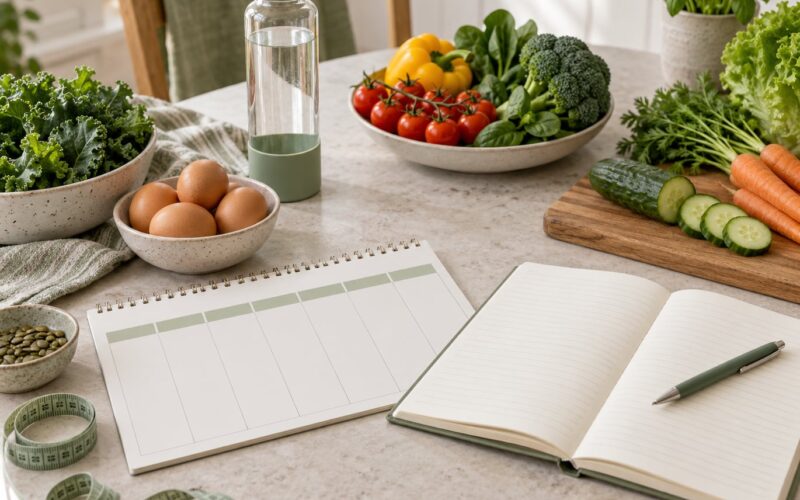
Nothing to buy. That is the honest answer, and it is also the part most retention advice gets wrong, because the steps below work through ordinary physiology rather than through a product.
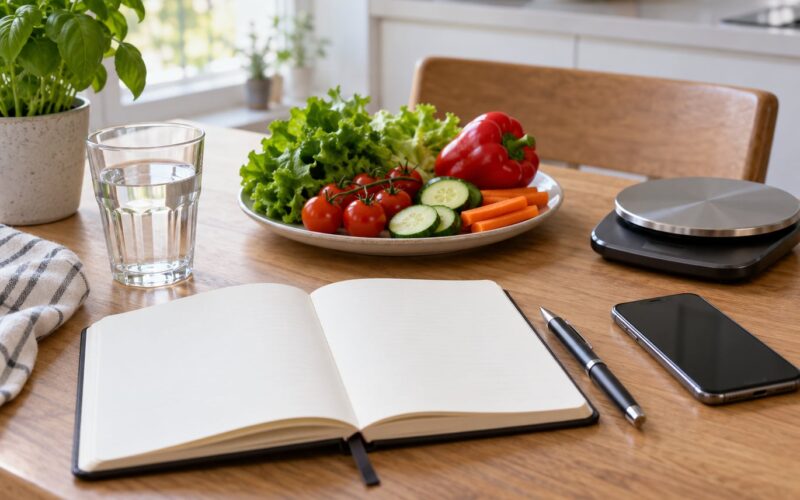
- Reliable access to water through the day, so hydration is a background thing rather than an afternoon emergency.
- Ordinary balanced meals you already eat. Nothing here asks you to cut out a whole food group.
- A consistent daily routine, because water weight responds far better to steady habits than to a three-day cleanse.
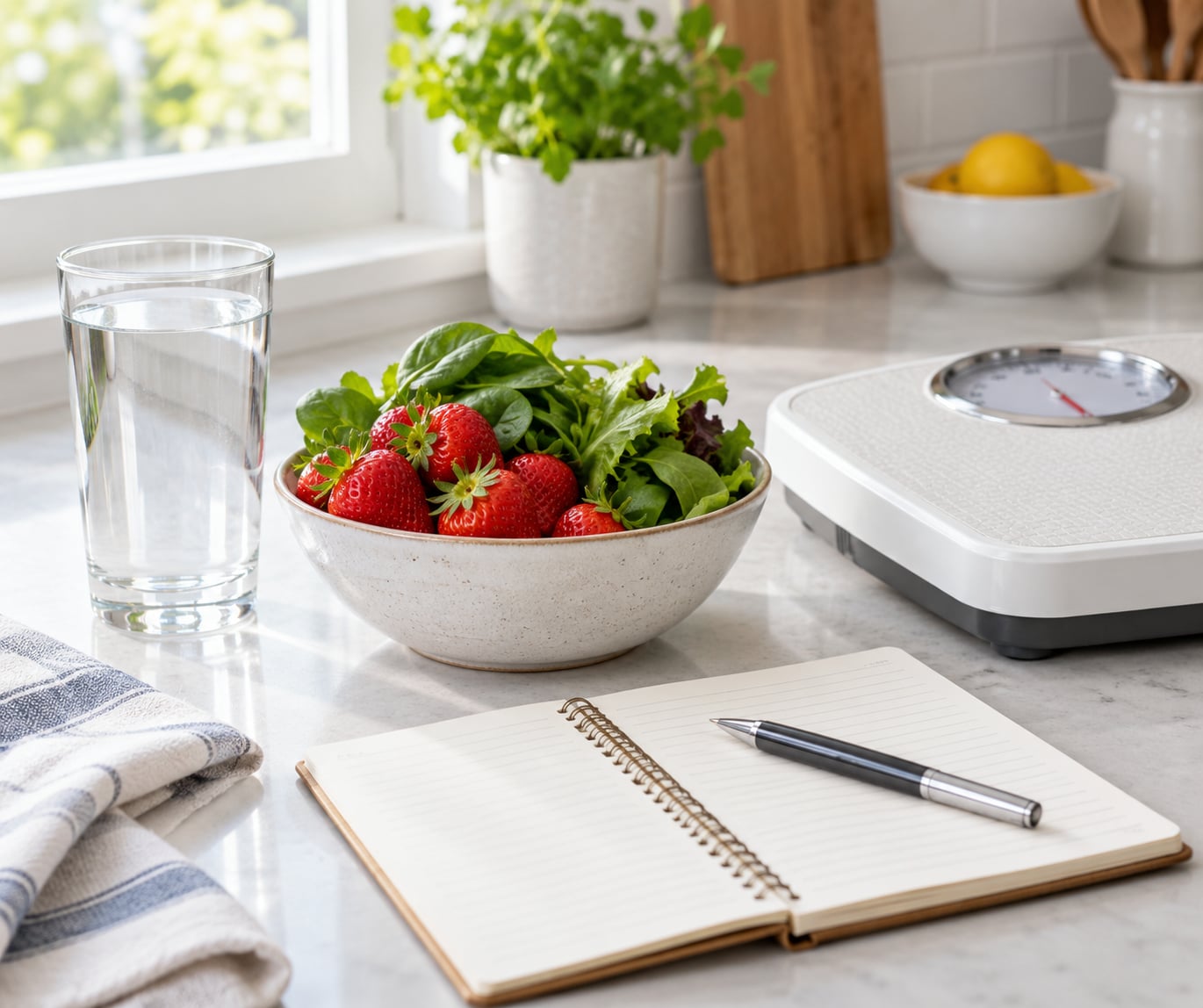
- A way to track the trend, ideally a notebook or phone note. The bathroom scale is useful here, but only read as a weekly average.
- Comfortable shoes and loose clothing if you stand a lot, since tight waistbands and boots can make legs feel heavier than they are.
If you only do one thing, make it the sodium step. For most people chasing a sudden 3-pound jump after a restaurant meal or a weekend off, salt is the main lever.
Step-by-Step: How to Lose Water Weight Naturally
The order matters less than the consistency. Hydration and sodium do most of the work, food choices and movement keep the trend pointing down, and sleep decides whether the pattern holds.
Drink Enough Water Consistently, Not Less
Steady water intake is what lets your kidneys keep doing their job. When fluid intake drops, the body conserves sodium and water to protect blood volume, which is exactly the opposite of what people expect when they try to lose water weight.
Spread your drinking across the working day instead of gulping late at night, because a large evening intake often shows up as morning puffiness in the face and around the eyes. Urine colour is a rough, private guide: pale straw through most of the day usually means your intake is reasonable.
What not to do is the opposite swing. Extreme intakes, water challenges, and cutting fluids to make the scale look better can leave you lightheaded, depleted, and holding on to fluid harder than before. If you have kidney or heart conditions, fluid advice needs to come from your clinician rather than a blog.
Reduce Very High-Sodium Foods to Lose Water Weight Faster
Sodium is the single most common reason water weight shows up fast. When salt intake rises, the body holds extra fluid to keep the blood sodium concentration stable, and the result is a puffy face, tight rings, and heavier ankles within a day.
The saltiest everyday offenders are rarely the obvious ones: bread, pasta and cereal at the bread aisle, canned soups, deli and cured meats, cheese, jarred sauces, salty snacks, and restaurant food, which routinely carries several times the sodium of a home-cooked plate of the same dish. Comparing the nutrition label on two similar products is often the fastest single change you can make.
Swap rather than eliminate. Rinse canned beans, choose lower-sodium versions of the soup and sauce you actually like, and season with herbs, garlic, vinegar, and lemon instead of the salt shaker. The goal is a quieter plate, not a bland one.
Choose Water-Rich, Balanced Foods

Fruit, vegetables, yogurt, soups, and other everyday foods supply both fluid and the potassium that helps balance sodium. Practical picks include bananas, cantaloupe, potatoes with the skin, tomatoes, spinach, avocado, beans, yogurt, beets, and salmon.
Carbohydrates deserve their own note. Your muscles and liver store glycogen, and every gram of glycogen holds roughly three grams of water with it. That is why a few high-carb days, or the first week of a lower-carb plan, moves the scale more than the calories in those meals justify. It is fluid, not fat, and it reappears just as fast when carbs go back up.
No single food flushes water out overnight. Foods that get labelled natural diuretics, such as green tea, lemon water, or sparkling water, are mild and mostly help by adding fluid, not by doing anything dramatic. Keep them as an addition to ordinary meals, and mention any supplement or concentrated herbal product to your pharmacist first, especially if you take prescription medication.
Move and Strengthen Through the Week
Regular walking and strength work support healthy weight management and circulation, and movement also makes it easier to read your own trend, since a sedentary week looks different on the scale than an active one.
Start from wherever you are now. Ten or fifteen minutes of walking on most days is a solid start for someone currently inactive, and a short session counts far more than a skipped one. Anything that gets blood moving from your ankles upward, such as cycling, swimming, or a simple calf and hip routine at home, suits people who complain most about heavy legs.
Practical extras that help with the sensation of swelling include elevating your legs while you sit in the evening, a few minutes of massage toward the hips, and showering with cool water down your legs. Compression socks can be useful on long travel days, though resting with your legs raised does a lot of the same work for free.
Use Consistent Sleep and Daily Habits
Short or broken sleep raises cortisol, and cortisol shifts fluid handling. People who report a puffy face and puffy hands in the morning often find that a week of decent sleep changes more than a week of dieting, even when the calories do not move.
Going harder at the gym is not automatically the fix either. Overtraining shows up as persistent retention, particularly in the face and hands, and it often clears only when training volume drops. More sweat is not the same as losing water weight, and any fluid lost through sweat has to come back, along with electrolytes.
Build a simple routine around the basics: similar sleep and wake times, ordinary meals at regular hours, and a note each morning of how you feel rather than only what the scale says. Patterns show up fastest when you write them down.
Common Mistakes
Most frustrated water-weight attempts fail for predictable reasons, and each has a steadier alternative.
- Crash dieting to drop a number fast. Very low intake often causes a rebound in retention that lasts longer than the initial drop. Fix: cut a small amount, not everything, and hold it for two weeks.
- Taking diuretic supplements, water pills, or laxatives. These push fluid out and can cause dangerous fluid and electrolyte imbalance, especially combined with fasting or hard training. Fix: leave them alone unless a doctor prescribes them.
- Using saunas or extreme heat to sweat off pounds. The number on the scale moves, then returns with the water you drink. Fix: if you like the sauna, treat it as a sauna, not a weight-loss method.
- Drinking less water on purpose. Cutting fluid usually increases retention. Fix: steady intake across the day.
- Treating every scale change as water loss. Some of it is stomach contents, some is glycogen, and occasionally some of it is genuine fat change. Fix: look at a seven-day average before deciding anything.
- Expecting overnight results. Salt-driven retention usually clears over one to three days, not over one night. Fix: give any change a full 72 hours before judging it.
Tips
A few habits make the whole process easier to read and to stick with.
- Read labels, not vibes. Compare sodium per serving on two similar products, and check the serving size, since that is where the surprise usually hides.
- Aim for change over time, not a single weigh-in. A 2 to 5 pound shift after a salty meal or a carb-heavy weekend is common and usually clears on its own within a day or two.
- Use a seven-day average. Weigh at the same time under the same conditions, average the week, and compare weeks. That single habit removes most of the scale anxiety that makes people quit plans that are working.
- Account for the cycle. A predictable 2 to 5 pound swing in the week before a period is hormonal, not a failed diet. Compare the same week of the cycle, not yesterday to today.
- Watch the trend, not the moment. If the average is drifting down over two to three weeks, the plan is doing its job regardless of what any single morning said.
- Know when to stop adjusting and get checked. Persistent or severe swelling, rapid unexplained weight change, shortness of breath, sharp chest or abdominal pain, or one-sided leg swelling deserves a doctor’s appointment rather than another dietary tweak. Kidney, heart, liver, and thyroid conditions, and some medicines, cause fluid retention that no amount of salt-cutting will fix.
Frequently Asked Questions
How quickly can I lose water weight naturally?
Most temporary water weight clears within 24 to 72 hours once sodium and carbohydrate intake come down and fluid intake stays steady. After a very salty meal, a drop of 2 to 5 pounds over two or three days is ordinary. Beyond that window, further rapid loss usually means dehydration rather than water weight, and it does not last.
What commonly causes temporary water weight?
The usual triggers are high sodium intake, stored glycogen after higher-carb days, hormonal shifts such as PMS and ovulation, cortisol from stress or poor sleep, alcohol, long periods of sitting or standing, and overtraining. In many people it is two or three of these at once, which is why a salty restaurant meal followed by a poor night shows up so clearly the next morning.
Does drinking more water help with water retention?
Yes, steady intake usually helps. When fluid drops, the body conserves sodium and water to protect blood volume, so retention gets worse rather than better. Spreading water across the day supports normal fluid balance and makes it easier to interpret your scale weight. Drinking enormous amounts at once is a different thing and is not helpful or safe.
Can exercise help reduce water weight?
Regular activity supports healthy weight management and circulation, and it makes your weight trend easier to read. Walking, cycling, and swimming suit people who feel heavy in their legs, and leg elevation or gentle massage can ease the sensation of swelling. But sweating is not the mechanism. Fluid lost through sweat returns with the water you drink, and pushing training volume while overtrained can cause more retention.
How do I know if my weight changes are water weight?
Water weight shifts within hours to a few days, often shows up in the face, fingers, ankles, and legs, and tends to change with salty meals, higher-carb days, sleep, or your cycle. Fat change is slower and shows up on a multi-week trend rather than overnight. Weighing at the same time each morning and comparing seven-day averages separates the two far better than any single weigh-in.
When should swelling or rapid weight changes prompt a doctor’s visit?
Get checked promptly for swelling that is sudden, severe, or one-sided, rapid unexplained weight change, shortness of breath, chest pain, sharp abdominal pain, or puffiness around the eyes that does not settle. Kidney, heart, liver, and thyroid conditions, and some medicines including anti-inflammatories and steroids, can cause fluid retention that lifestyle changes will not fix.
Conclusion
Start with the boring parts today: keep water within reach and drink it steadily, pull back on the saltiest meals, build plates around fruit, vegetables, and other potassium-rich foods, walk a little, and protect your sleep.
Then read the trend instead of the moment. A 2 to 5 pound swing after a salty meal or a high-carb weekend usually clears on its own within a day or two, and that is a normal part of how your body handles food, not a verdict on your plan.
If the swelling is persistent, severe, one-sided, or comes with breathlessness or pain, stop adjusting your routine and book an appointment.