You can eat healthy at fast food places by picking a grilled or plant-based protein, adding vegetables, controlling the portion, and getting water instead of a soda. The whole thing takes about thirty seconds at the counter, and almost every chain has a lighter option sitting right next to the fries.
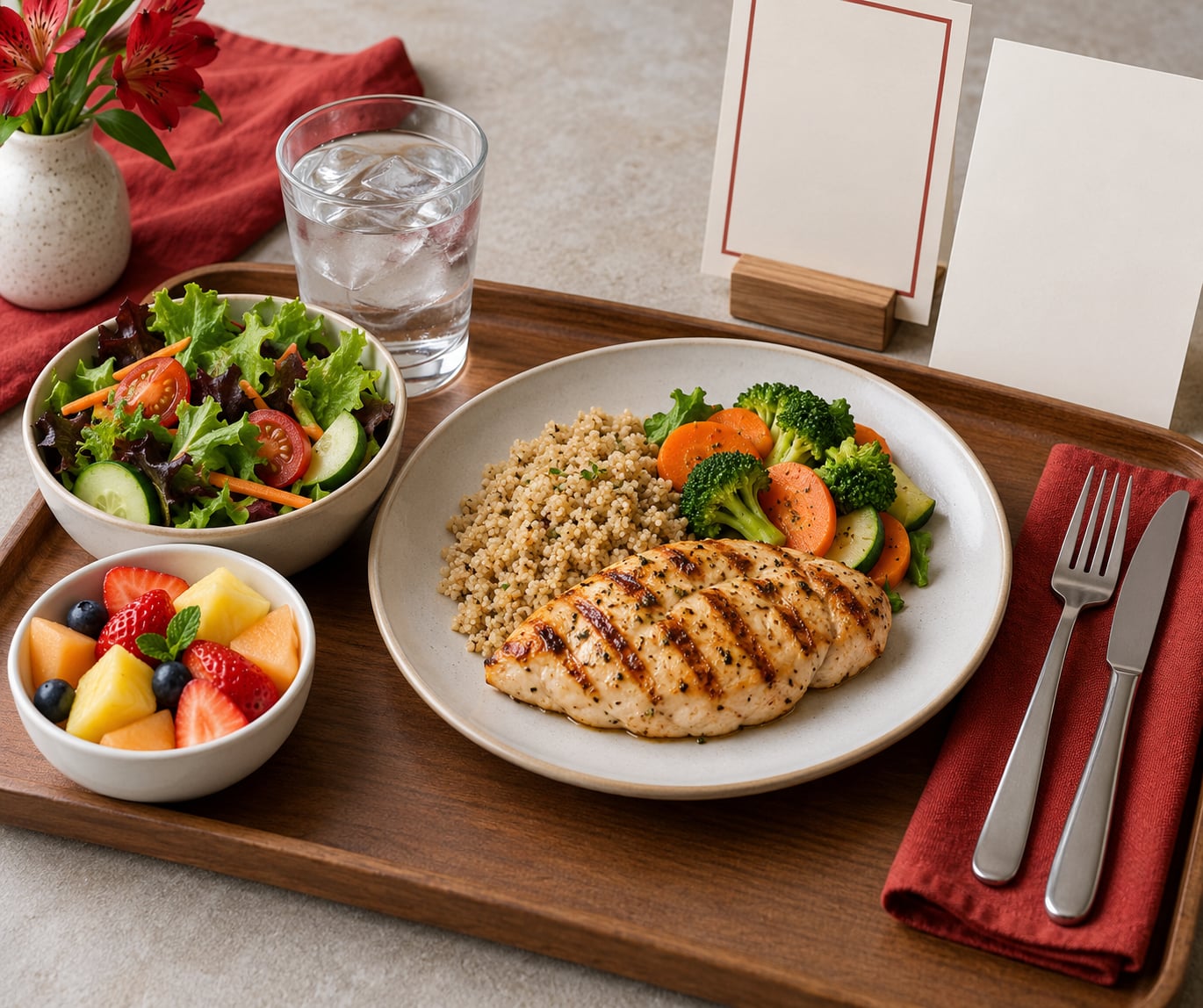
I eat out maybe twice a week, and the mistake I used to make was treating the menu like a trap. It isn’t. Most boards have a plain grilled chicken option, a salad, a fruit cup, and a bottled water. What changes the result is three decisions: what protein, what sides, what drink.
Nothing here requires a specific diet, a membership, or a supplement. If you have a medical condition, though, your doctor or a registered dietitian should weigh in on the specifics.
Table of Contents
- What You Need Before You Order
- Step-by-Step: How to Eat Healthy at Fast Food Places
- Step 1: Check the Menu and Nutrition Information Before You Order
- Step 2: Build a Balanced Main Dish
- Step 3: Choose Smart Sides and Sauces to Eat Healthy at Fast Food Places
- Step 4: Finish With a Balanced Drink and a Dessert Decision
- Common Mistakes That Make It Hard to Eat Healthy at Fast Food Places
- Frequently Asked Questions
- Can I eat healthy at a fast food restaurant if I am trying to lose weight?
- What is the healthiest fast food meal for weight loss?
- Are salads from fast food restaurants actually healthy?
- How can I reduce calories when ordering a burger or chicken sandwich?
- What should I drink at a fast food restaurant when trying to lose weight?
- Can I still enjoy fast food if I have diabetes, high blood pressure, or another medical condition?
- Conclusion
What You Need Before You Order
You do not need special equipment or a special diet to eat healthy at fast food places. You need roughly ten seconds of attention and one habit: look before you point.
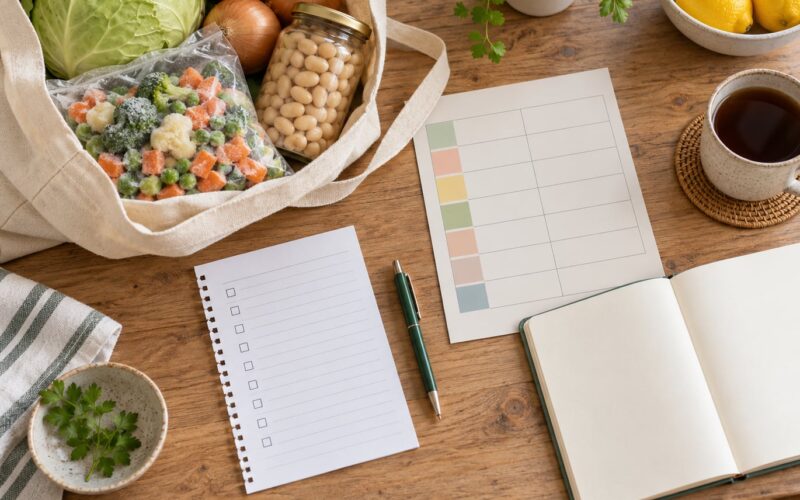
- Nutrition information. Most chains post calories, protein, sodium and serving size on their website or in the app, and many counters have a printed sheet or a QR code on the napkin dispenser.
- Serving size awareness. A listed number often describes the whole thing on the plate, not the portion you will realistically finish.
- Sauce and dressing details. Dressings, creamy sauces and sweet glazes are where a lot of the calories hide, and menus rarely list them separately.
- Drink options. Check that the place actually has plain water, sparkling water or unsweetened tea before you assume it does.
That is the whole list. If you know your rough daily calorie target and any sodium limit your clinician gave you, add that to the same mental list.
Step-by-Step: How to Eat Healthy at Fast Food Places
Step 1: Check the Menu and Nutrition Information Before You Order
Open the nutrition page or find the printed sheet, then scan for four numbers rather than trying to memorize anything: calories, protein, fiber and sodium. Added sugar matters for drinks more than for food, so save that one for the beverage counter.
Compare the number against the serving size actually in front of you. A sandwich listed at one size and sold in two means the published figure is not your figure. Half of it, eaten over lunch, is a reasonable read.
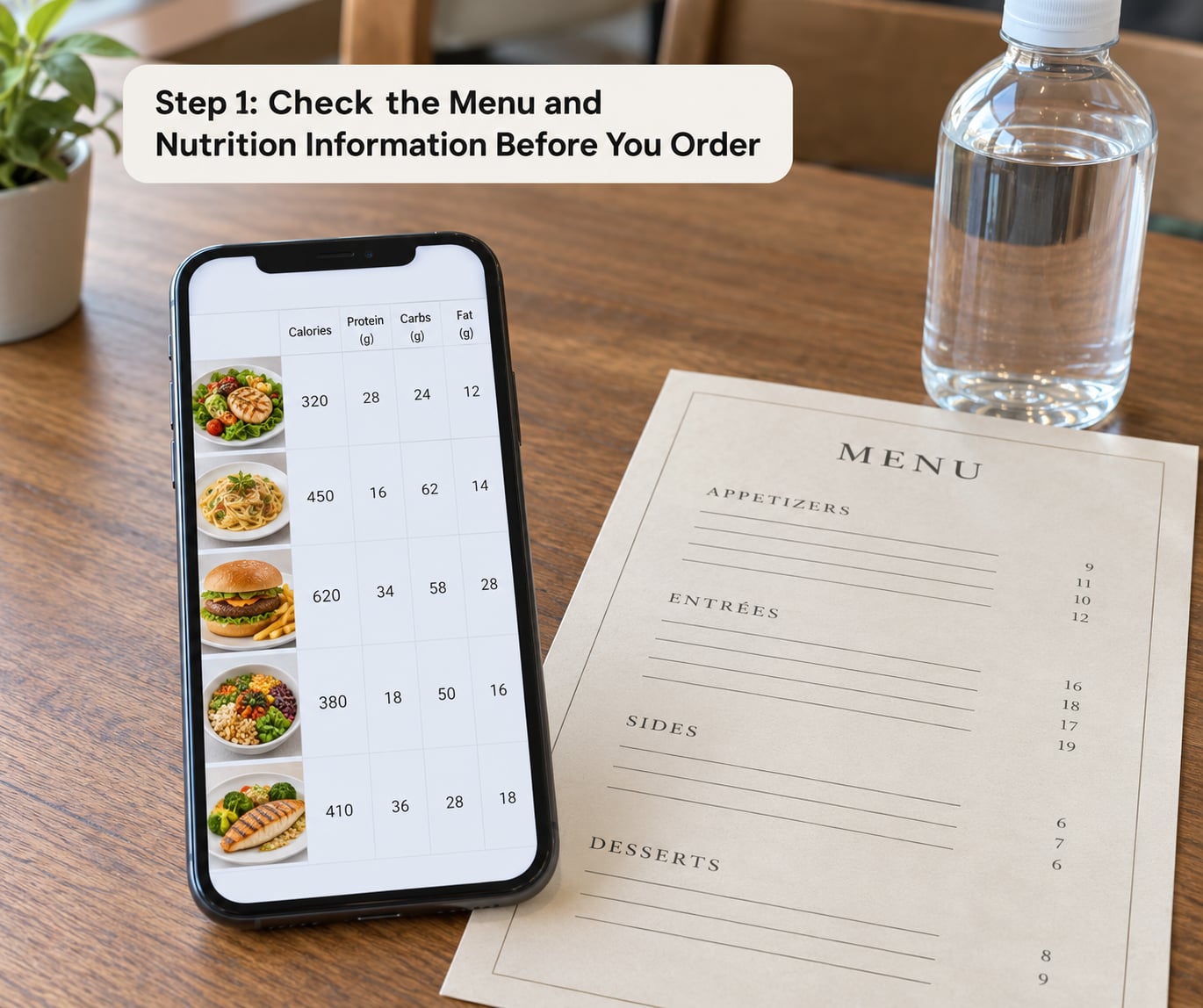
Two honest caveats. The same item differs between locations because recipes and suppliers vary, so treat published numbers as a guide rather than a verdict. And fast food is not the place to chase micronutrients, because there is not much variety to work with. Getting protein, fiber and a vegetable in is a realistic win.
Nutrition calculators and filter tools on chain websites are the fastest version of this step. If you know your chain and goal before you leave the house, you can decide in the parking lot.
Step 2: Build a Balanced Main Dish
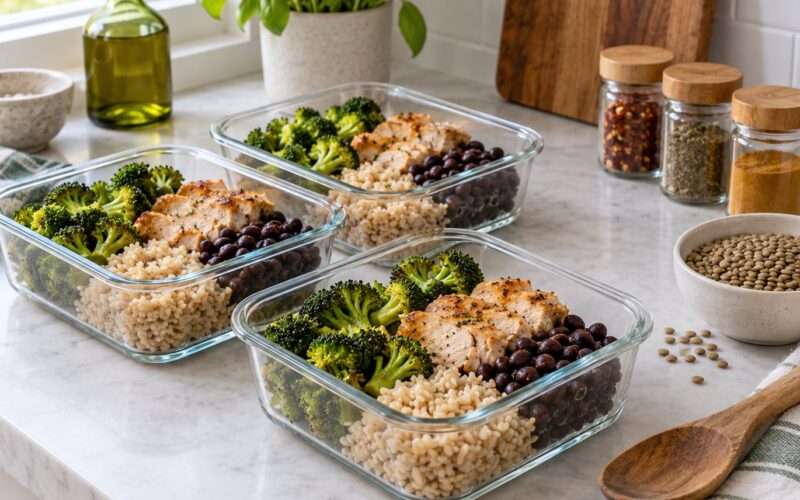
Start with protein, because protein is what keeps you full and it is the hardest part to get anywhere else. Grilled chicken, a bean or lentil filling, a plain burger patty, a tuna or turkey salad, or a bowl built around beans and rice all work.
Then add vegetables, since vegetables are what makes the plate a meal rather than a snack. Most boards will add lettuce, tomato, onion, pickles, peppers or greens at no charge, and many will let you add a side salad instead of bread.
Portion is the third piece. Half a burger, a small rather than large, or splitting a large between two people all count as portion control. Nobody at the counter cares, and you still get the meal.
Concrete combinations that hold up well:
- Burger: single patty, no bacon, cheese on the side or skipped, lettuce and tomato, wrapped in lettuce instead of a bun if you want to drop the refined carbs.
- Chicken sandwich: grilled over fried, sauce on the side, extra greens, half on a whole-grain bun if they have one.
- Tacos or burrito: soft tortilla, grilled or cantaloupe chicken, beans for fiber, pico de gallo and salsa instead of cheese and sour cream.
- Bowls: lean protein, beans, two or three vegetables, salsa or a light dressing, and rice in a small rather than a large.
- Salads: a grilled protein, dressing measured on the side, and toppings chosen with an eye on creamy sauces and croutons.
Plant-based patties and bean fillings are a legitimate pick here. They bring fiber and are often lower in saturated fat than a fried version of the same shape.
Step 3: Choose Smart Sides and Sauces to Eat Healthy at Fast Food Places
Sides are where fast food meals usually get heavy, so decide the side before the main. A side salad, apple slices, a fruit cup, or a baked potato gives you something to eat that is not fried. If you want fries, order a small and decide up front whether it is half or all.
Sauces are adjustable, which is the useful part. Ask for any sauce or dressing on the side and use what you need. Mayonnaise, ranch, sweet barbecue glaze and creamy salad dressings carry most of the fat and sugar in an otherwise reasonable order.
Salt is the honest tradeoff here. Even a grilled chicken salad with a light dressing can run high in sodium, and fast food is generally not a place to manage a strict sodium limit. If sodium is a concern for you, your clinician or dietitian can tell you how much fits your situation.
Step 4: Finish With a Balanced Drink and a Dessert Decision
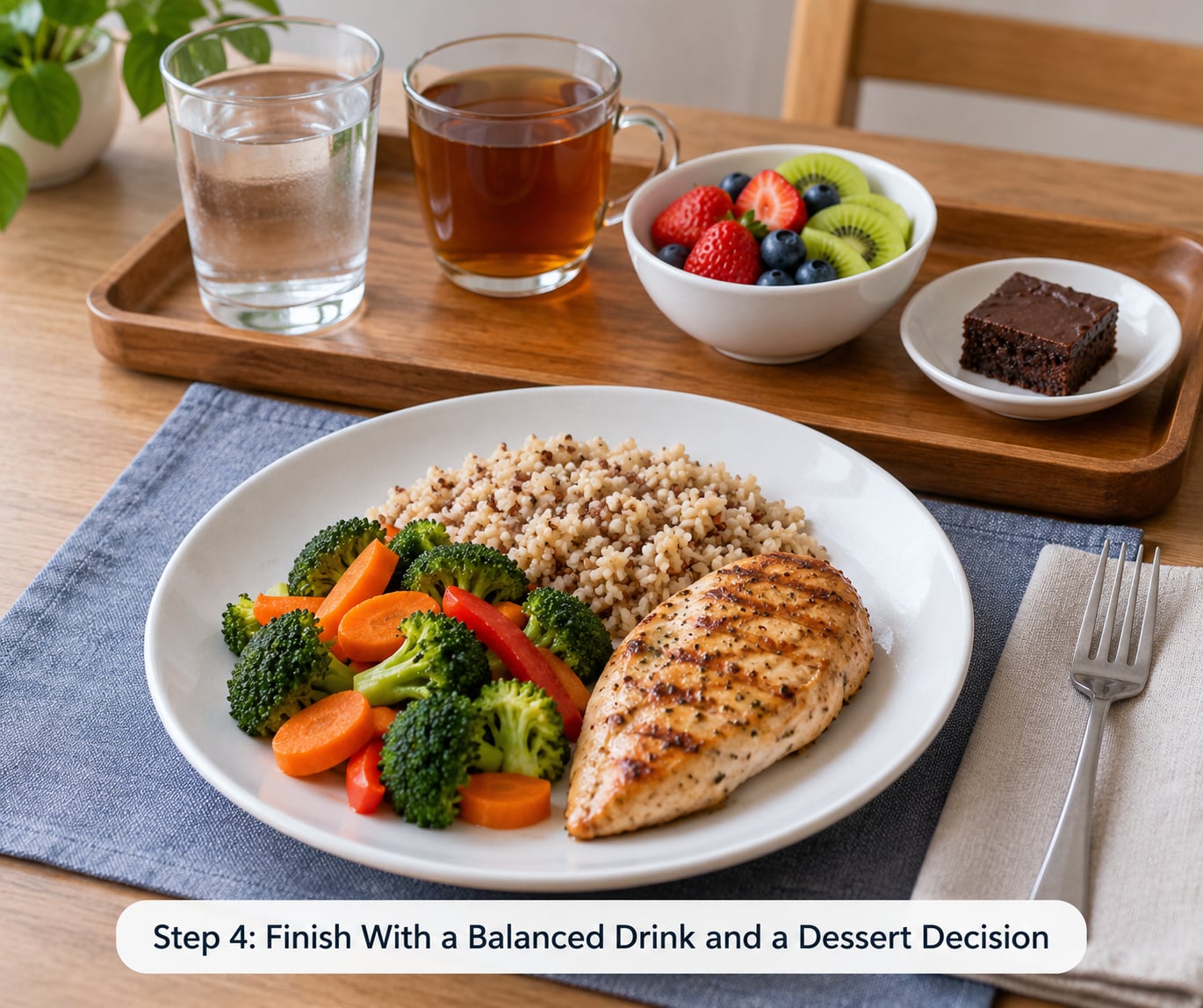
Water, sparkling water or unsweetened tea are the easy wins. A regular fountain drink often carries more sugar than the meal itself, and a sweetened coffee drink can too. A smaller regular beverage, or the diet version if you drink it regularly, is a reasonable middle ground on a day when you want the taste.
Then decide dessert on purpose: the dessert, a fruit cup, or nothing. Choosing in advance keeps it from turning into an impulse after a meal that was already fine.
One extra move for anyone traveling or driving: eat the meal sitting down when you can. Food eaten fast in a car is easy to overdo without noticing.
Common Mistakes That Make It Hard to Eat Healthy at Fast Food Places
Ordering by appearance. A salad loaded with cheese, croutons and creamy dressing can carry more calories than a plain burger. Dressing on the side is what fixes this, not switching to the salad bowl.
Grabbing the largest drink. A large regular soda can hold more sugar than the burger does. Size down or switch to water.
Stacking fried sides. One fried side is a preference. Two is usually just volume you will not enjoy. Take a small, or trade one for a salad or fruit.
Treating salad as automatically healthy. It is a base, not a verdict. Ask what went into it, and control the dressing, the cheese and the add-ons.
Letting sauces land wherever they land. Sauce on the side is the single easiest habit change here, and it costs nothing to ask.
Skipping meals all day to “save” calories for the drive-through. The result is a large order plus low energy afterward, which is the opposite of what you were aiming for. Eat normally through the day and treat the fast food meal as one meal among many.
Frequency is worth thinking about too. Dietitians commonly suggest keeping fast food to an occasional part of the pattern rather than a daily habit, which is a more realistic target than never eating it again.
A few situations that need their own approach:
- Travel and road trips: decide the order before you get hungry, check the nutrition page on your phone while parked, and add something from your own bag such as fruit, nuts or a yogurt cup to round out the meal.
- Families: order for yourself from the regular menu and let kids use a kids meal or half portion. A junior item is often the right size for an adult who wants a burger without committing to a large one.
- Different dietary preferences: build bowls or salads where each person chooses their own protein and sides, which stops the whole table from ordering the same thing.
- Budget constraints: many of the best moves here are free or cheaper, not pricier: water instead of soda, no bacon, dressing on the side, a small instead of a large. Ordering a plain burger or a bean-based bowl costs less than most combo meals.
- Late night: grilled items, a side salad, or a plain sandwich work here. So does going home and making something, which is worth considering more often than people admit.
Frequently Asked Questions
Can I eat healthy at a fast food restaurant if I am trying to lose weight?
Yes. A calorie deficit depends on your whole week, not on one meal. A grilled protein, a vegetable side, sauce on the side and water can land in a reasonable range for most menus. If you are following a specific calorie target from a clinician or dietitian, use that number as the guide and check the published nutrition information before you order.
What is the healthiest fast food meal for weight loss?
Usually something built around a lean protein, vegetables, and no sweet drink. Grilled chicken with a side salad, a bean bowl with salsa, or a plain burger with no cheese and lettuce replacing the bun are common answers. There is no single best item, because your calorie target and preferences matter more than any one menu choice.
Are salads from fast food restaurants actually healthy?
Sometimes, and it depends entirely on what is on top. A salad with grilled protein, vegetables and dressing on the side is a solid choice. The same salad with bacon, cheese, croutons and a creamy dressing poured on can beat a plain burger on calories. Ask for dressing on the side and skip the add-ons you do not want.
How can I reduce calories when ordering a burger or chicken sandwich?
Skip bacon and cheese, choose grilled over fried, add vegetables, and ask for sauce on the side. Going half size, or using a lettuce wrap instead of a bun, cuts more. Replace the fries with a salad or apple slices and swap the soda for water or unsweetened tea.
What should I drink at a fast food restaurant when trying to lose weight?
Water, sparkling water or unsweetened tea are the straightforward answers. A regular soda or sweetened coffee drink can carry more sugar than the meal itself. If you drink coffee most days, the smaller size or the diet version is a reasonable compromise, and it still beats a large regular drink.
Can I still enjoy fast food if I have diabetes, high blood pressure, or another medical condition?
You do not have to give it up, but the specifics should come from your doctor or registered dietitian rather than a menu board. Carbohydrate counts, sodium limits and portion size all shift with the condition and the medication you take, including GLP-1 medications. Treat this article as general information and bring your own numbers to the conversation.
Conclusion
Start with one action: before you order, open the nutrition information for your item and compare it against last week’s version of the same order. That single habit catches most of what needs catching.
After that, keep the loop simple. Protein, vegetables, a portion you can finish, sauces on the side, water or unsweetened tea. Do that most times and how to eat healthy at fast food places stops being a question you have to solve each time you pull into a parking lot.