Most evening snacking is habit, not hunger. To stop snacking after dinner, fix the day first, build a dinner with protein, fibre and fat, then close the kitchen and give the urge a fifteen-minute test. Do those three things for two weeks and most people find the 8pm cupboard raid quietly disappears on its own.
Reviewed for 2026.
The reason willpower alone fails is that your body is genuinely working against you by evening. Hunger hormones rise, fullness signals fade and leftover stress keeps cortisol elevated, so food feels more rewarding than it did at lunch.
Table of Contents
- Step-by-Step: How to Stop Snacking After Dinner
- 1. Build a Satisfying Dinner
- 2. Separate Dinner From Snacking
- 3. Identify the Real Reason You Want to Snack After Dinner
- 4. Delay the Urge and Replace the Routine
- 5. Plan for Triggers and Cravings
- 6. Review What Worked and Adjust
- Common Mistakes
- Frequently Asked Questions
- Am I hungry or just bored after dinner?
- Can I eat a snack after dinner without undoing my weight-loss efforts?
- Why do I crave sweets after dinner?
- Does drinking water really help with evening snacking?
- How can I stop snacking while watching television?
- When should I talk with a doctor or registered dietitian about evening eating?
- Conclusion: Start With Tonight’s Dinner
Step-by-Step: How to Stop Snacking After Dinner
1. Build a Satisfying Dinner
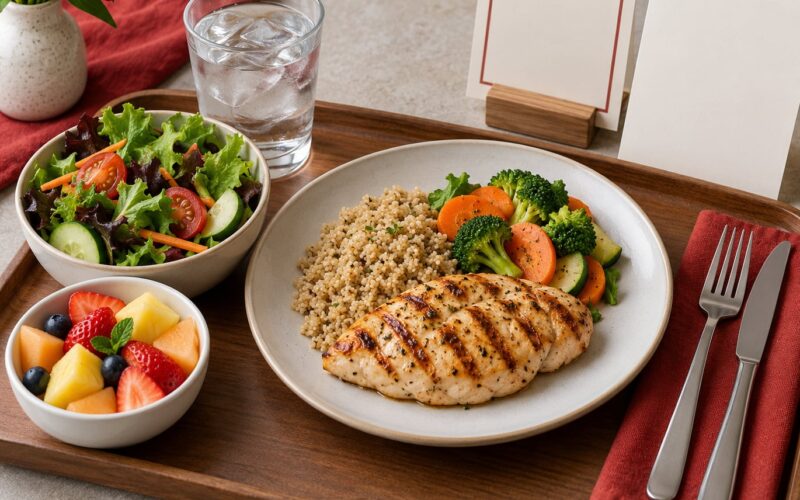
Most late-evening hunger starts at 6pm with a dinner that was too small or too thin. Aim for a plate built from a palm of protein, a fist or two of slow carbohydrates, a handful of fat and half the plate as vegetables.
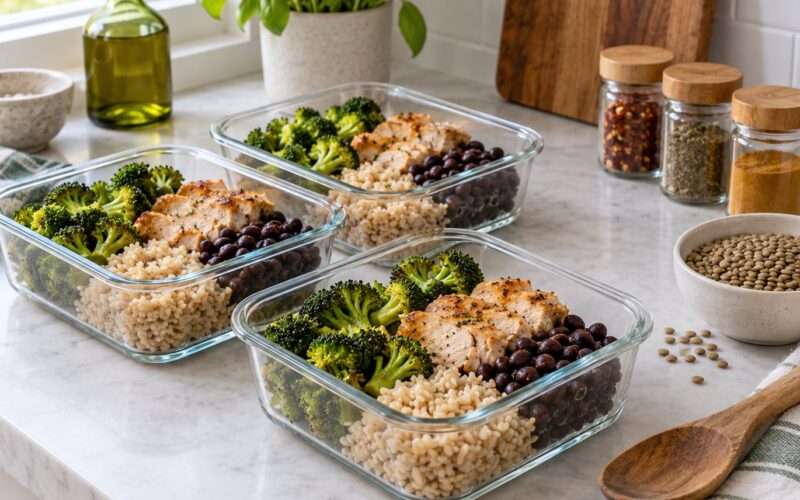
Protein and fat are what keep you full longest, and they blunt the blood sugar dip that otherwise arrives around 8pm and sends you reaching for crackers. Roughly 25 to 30g of protein at dinner is a workable target for most adults, which is a chicken breast, a large portion of fish, tofu, eggs with cheese, or four to five spoonfuls of Greek yogurt alongside your vegetables.
Fibre does the quiet work of slowing digestion and keeping the stomach from emptying. Lentils, chickpeas, oats, whole grains, berries, pears and green vegetables all count. You will know this is working when 8pm arrives and you feel comfortably satisfied rather than merely fed.
2. Separate Dinner From Snacking
Treat the end of dinner as an event you mark, not one you drift out of. Clear the plates, stack the dishes in the sink, wipe the counter, put the bread away and switch off the kitchen light. It takes four minutes and it removes the visual cue that starts most evening snacking.
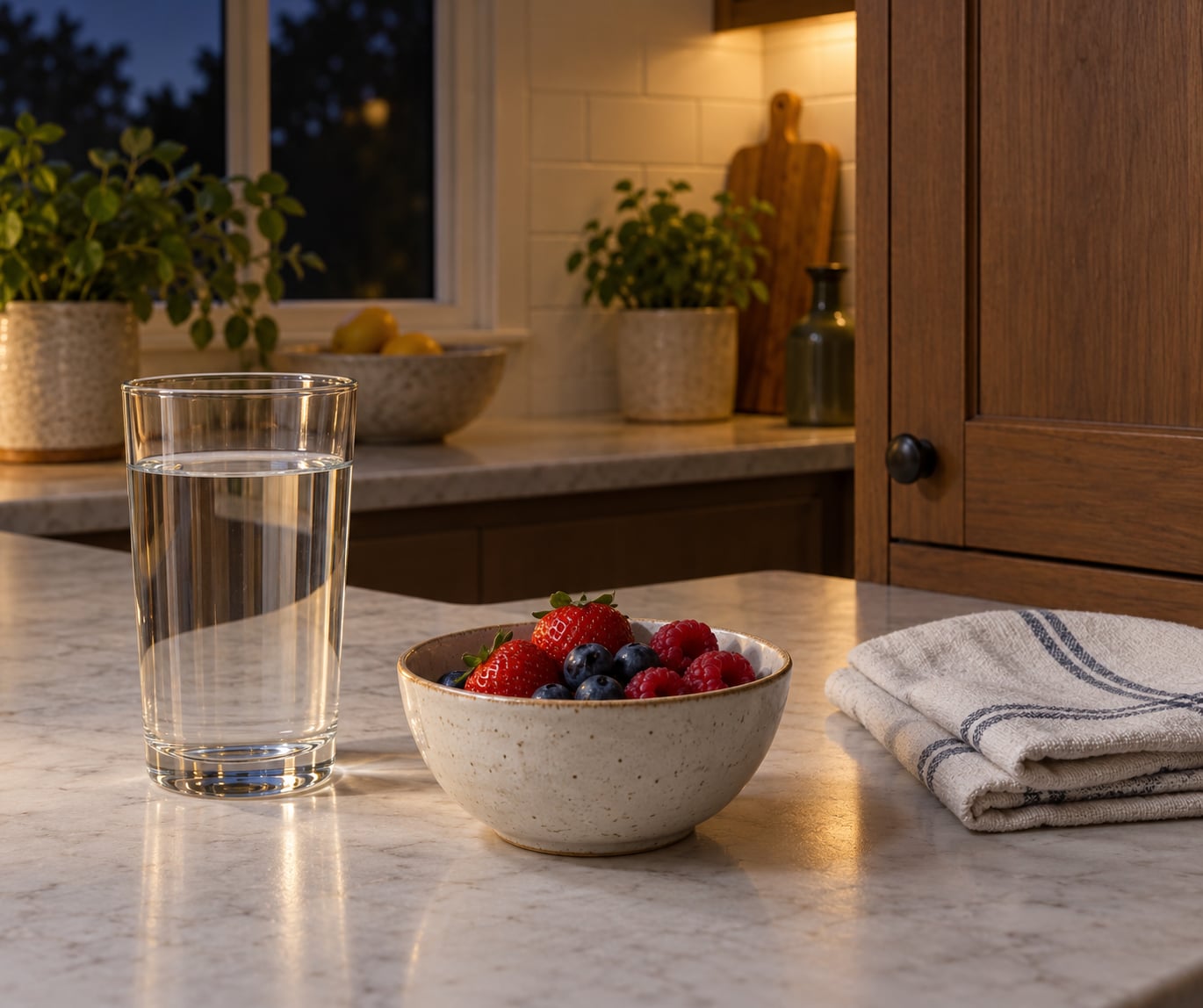
After that, water, sparkling water and unsweetened drinks stay available all evening. Tea is the most widely reported substitution in reader discussions about this, because making a cup takes long enough to interrupt the automatic walk to the cupboard.
Aim to finish eating about three hours before bed. You do not have to be rigid about it. If you are genuinely hungry at 9:30pm, eating something small is better than lying awake thinking about food.
3. Identify the Real Reason You Want to Snack After Dinner
Before you respond to the urge, work out what produced it. A ten-second check, asked honestly, settles most evenings.
Real hunger builds gradually, happens at roughly the same time daily and will be satisfied by any food, including fruit or leftovers. Habit snacking arrives suddenly, ties to a specific activity such as the sofa and the television, and a glass of water usually cancels it within a few minutes. Boredom, stress and tiredness each feel different again, and each needs a different answer.
Use three signals. Ask whether you would eat a boiled egg right now. Ask whether the urge has been there for more than fifteen minutes. Ask whether you are tired, bored or upset, rather than empty. Two yes answers for the first question and no for the second and third point to real hunger.
Do the check before you open the cupboard, not after you have eaten half the packet. Most people in reader discussions say the pause itself does more work than the answer, because naming the trigger turns an automatic loop into a decision.
4. Delay the Urge and Replace the Routine
When the urge lands, wait fifteen to twenty minutes before you decide anything. Most cravings lose their edge inside that window, and the ones that survive it are usually genuine hunger.
Fill the gap with something that occupies your hands and eyes. Ten minutes of tidying, a phone call, a shower, a short walk around the block, reading a few pages, or brushing your teeth all work because they replace a behaviour rather than merely denying a thought.
Brushing your teeth deserves its own spot here. The minty taste becomes a cue that the eating part of the day is finished, and it is the one substitution people report sticking with longest.
5. Plan for Triggers and Cravings
Different evenings need different answers, so decide in advance rather than improvising at 8:30pm with a full cupboard in front of you.
- Watching television. Serve dinner at the table rather than on the sofa, and finish the meal before the first episode starts. If the sofa is where the snacking happens, move the food out of that room.
- Scrolling on your phone. Eating while scrolling keeps the reward loop running with no stopping point. Put the phone in another room for the twenty minutes after dinner.
- Takeout or a late meal. Takeout usually arrives with something salty, and salt makes you thirsty and thirsty feels like hunger. Drink a full glass of water and wait twenty minutes before you add anything.
- Guests or a shared kitchen. A household rule is easier than a personal one, so agree on a cut-off with the people you live with. If nobody else is changing, keep your own triggers out of sight and take your drink into another room.
- Strong cravings, or an unpredictable day. Plan one small snack you genuinely like and eat it deliberately, sitting down. A planned portion of yogurt, fruit with nuts or a couple of wholegrain crackers with cheese is a normal part of the plan rather than a failure of it.
Some patterns need a professional rather than a strategy. Pregnancy, perimenopause and certain medicines can all change appetite, and no habit tweak fully explains that.
6. Review What Worked and Adjust
Keep a short note for a fortnight. Record your dinner time, what you ate, whether you snacked, what happened just before, and how you slept the night before.
Patterns show up quickly. Most people find either a skipped meal earlier in the day, a poor night of sleep, or one specific activity sitting in front of every snack episode. Change that one thing, not all of them.
Progress here is rarely a clean run of perfect evenings. Two clean nights a week becoming four is a real result, and it is far more durable than one good week followed by a crash.
Common Mistakes
Most people trying to stop snacking after dinner make the same handful of errors, and each one works against the goal.
- Skipping dinner to compensate. Cutting the evening meal is the fastest route to 9pm rebound eating. Fix: keep dinner and make it larger and more balanced instead.
- Setting rules that are too strict to survive a bad evening. Absolute bans create the guilt-restrict-repeat cycle that makes the next night harder. Fix: aim for fewer evenings rather than none.
- Keeping trigger foods in plain sight. Out of sight genuinely means out of mind. Fix: move biscuits, ice cream and open packets into a closed cupboard before you sit down.
- Drinking coffee or nothing at all after dinner. Caffeine late in the day disrupts sleep, and poor sleep makes the next evening’s cravings harder to control. Fix: water or herbal tea instead.
- Assuming the urge means failure. Cravings are physiological, and treating them as a character flaw guarantees the guilt spiral. Fix: expect them, delay, then decide.
- Changing everything on Monday. New meal plan, new cut-off time, new supplements, new tracking app. Fix: change one habit for two weeks before adding the next.
- Punishing yourself the morning after. Skipping meals to make up for an evening of eating is the engine behind repeated cycles. Fix: eat your next normal meal at your next normal time.
Motivation holds up better when you make it about the evening you are in rather than the person you are becoming. Track the number of evenings that felt easy, not just the number of snacks avoided, because you are rewiring a routine and routines move slowly.
And expect a lapse. One big evening does not undo two weeks of good ones, and the only thing that matters afterwards is the next meal at the next normal time.
Frequently Asked Questions
Am I hungry or just bored after dinner?
Boredom snacking arrives suddenly and ties to an activity, such as sitting on the sofa or scrolling on your phone. Hunger builds gradually, recurs around the same time daily and can be satisfied by something simple like fruit or leftovers. Ask whether you would eat a boiled egg right now, whether the urge has lasted more than fifteen minutes, and whether you are actually tired or upset. Two yes answers for the first question and no for the other two usually mean you are genuinely hungry.
Can I eat a snack after dinner without undoing my weight-loss efforts?
Yes. A planned snack in the evening is a normal part of many eating patterns, and a single portion of yogurt, fruit with nuts or wholegrain crackers with cheese changes very little across a week of meals. What tends to work against progress is unplanned, distracted eating in front of a screen, where portion size stops being noticeable. If you are hungry, eat deliberately while sitting down, then return to your evening routine.
Why do I crave sweets after dinner?
Two things tend to combine. Blood sugar falls after an evening meal that was low in protein and fibre, which produces a quick craving for fast energy. On top of that, serotonin tends to be lower in the evening and cortisol stays elevated after a stressful day, and both push you toward sweet, starchy and crunchy food for a fast mood lift. A dinner built around protein, fat and fibre, plus an earlier bedtime, usually reduces the evening pull noticeably.
Does drinking water really help with evening snacking?
Often, yes, because mild dehydration is easy to mistake for hunger. A full glass of water followed by a fifteen-minute wait will resolve a surprising share of evening urges, and the pause matters more than the water itself. If the craving is still strong after that, it was probably genuine hunger or a habit cue rather than thirst, so move to a different response such as brushing your teeth or leaving the kitchen.
How can I stop snacking while watching television?
Move the eating part of the evening away from the sofa. Serve dinner at the table and finish it before the first episode starts, so the screen is linked to relaxing rather than to food. If you are genuinely hungry later, eat the snack somewhere other than in front of the television, sitting down and without the packet open beside you. Many people also find that putting the remote in a different room for the first twenty minutes breaks the automatic pairing.
When should I talk with a doctor or registered dietitian about evening eating?
Talk to a professional if you regularly feel you cannot stop once you have started eating, if you wake at night to eat without feeling hungry, or if evening eating causes regular distress. The same applies if it follows a change in medication, if you are pregnant or breastfeeding, or if you are in perimenopause. These situations can point to sleep problems, medication effects or an eating disorder, and none of them respond well to habit advice alone.
Conclusion: Start With Tonight’s Dinner
Start with tonight’s dinner rather than with a rule. Build a bigger plate with protein, fibre and fat, clear the kitchen afterwards, and give the first craving a fifteen-minute test. Three changes are enough to begin with.
Small and repeatable beats strict and short-lived every time. If evening eating stays out of your control, causes distress, or follows a change in medication, a doctor or registered dietitian can help you work out what is driving it.