Firming up after losing weight comes down to two things: rebuilding the lean muscle you lost, and giving your skin months of steady support while it adjusts. The scale already moved. Now you rebuild with resistance training, eat enough protein to protect muscle, sleep properly, and judge progress by strength and how clothes fit rather than by the mirror alone.
That sounds simple, but the order matters. Most people try to outrun it with more cardio and less food, and that combination is exactly what makes the problem worse. Skin needs a stable supply of protein, a reason to keep building muscle, and time.
Table of Contents
- What You Need to Firm Up After Losing Weight
- How to Firm Up After Losing Weight: Step by Step
- Step 1: Reset Your Routine and Focus on Recovery
- Step 2: Eat Enough Protein Throughout the Day
- Step 3: Add Regular Resistance Training to Firm Up After Losing Weight
- Step 4: Progress Gradually Instead of Chasing Quick Results
- Step 5: Track Firmness, Strength, and Health Together
- Common Mistakes That Slow Down Firming Up
- Frequently Asked Questions
- Can you tighten saggy skin after losing weight?
- How to tone up your body after losing weight?
- How do I tighten your belly after weight loss?
- Do firming creams and body lotions actually work?
- Do collagen supplements help with loose skin?
- How do I firm up while taking a GLP-1 medication?
- Conclusion
What You Need to Firm Up After Losing Weight
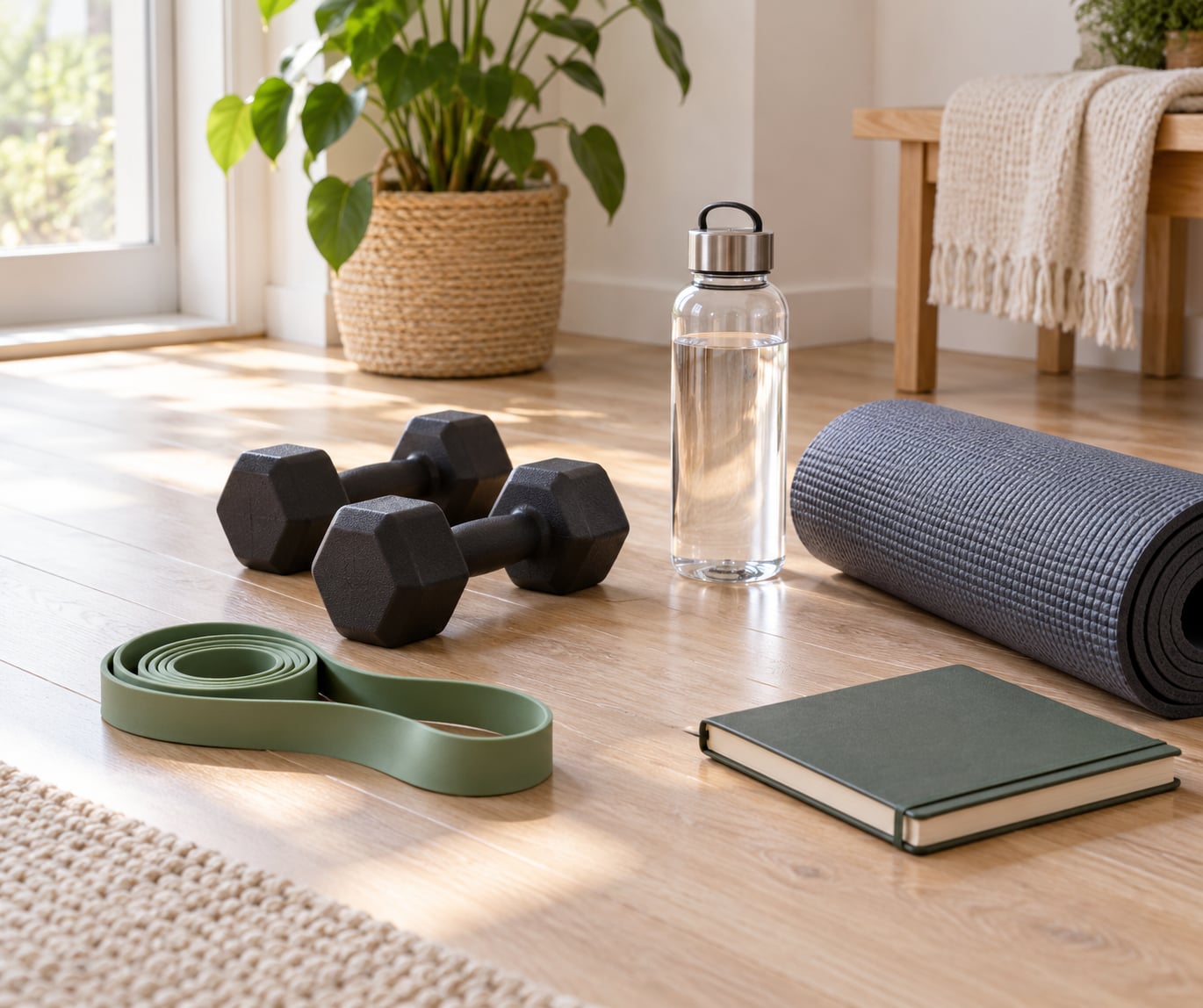
You need four things, and none of them are expensive or exotic.
A steady eating pattern. Skin and muscle both need a reliable intake of protein and enough overall energy that the body does not decide to burn muscle for fuel. The old pattern of eating very little for months on end is over.
Access to resistance training. Bodyweight work, bands, dumbbells, machines or gym classes all count. You do not need anything fancy to start, and you do not need a trainer to begin, though a qualified coach can save you months of wasted effort on form.
Sleep and recovery time. Most adults do well on seven to nine hours. Muscle repairs during rest, and poor sleep slows that repair down. If you are consistently exhausted rather than just tired, that is a different conversation and worth raising with a doctor.
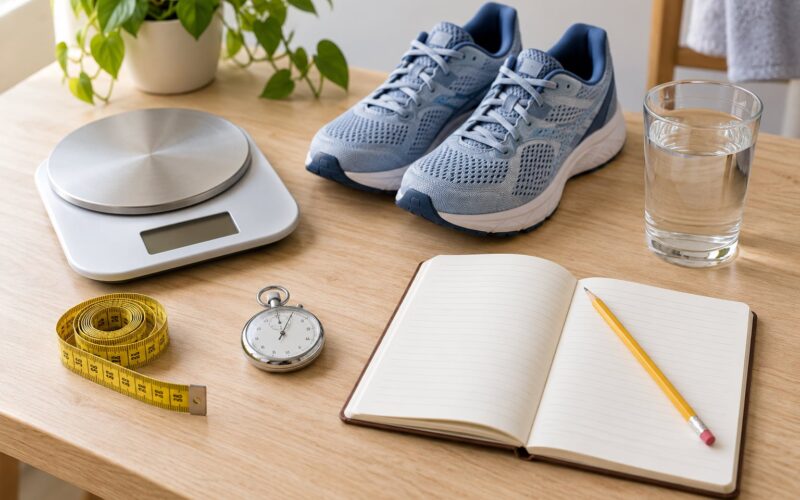
A way to track progress that is not the scale. A notebook or a notes app is plenty. Lifts, reps, energy, sleep, and how your clothes fit tell you far more than a daily weigh-in.
What you do not need: collagen powder, fat burners, body wraps, expensive creams, or a second weighing in the morning. The supplements market has grown around this exact worry, and results on creams are modest at best. Spend your effort on training and eating first.
How to Firm Up After Losing Weight: Step by Step
Step 1: Reset Your Routine and Focus on Recovery
Start by stabilising the basics for a week before changing anything else. Three regular meals, a consistent bedtime, water through the day, and some daily movement that does not make you wipe out.
Consistency is the signal here, not intensity. If you eat at roughly the same times and train at roughly the same times, your body stops treating the week as an emergency.
You know the routine is working when energy is steadier and ordinary tasks stop feeling like work. Getting up the stairs, carrying groceries, playing with kids longer — those are real markers, not vanity ones.
Get medical advice rather than pushing on if you notice persistent fatigue, dizziness, feeling cold all the time, hair thinning, or unusual shortness of breath. Those are signs your body needs a professional look, not a harder workout.
Step 2: Eat Enough Protein Throughout the Day
Protein is the raw material for both muscle repair and skin. Spreading it across the day works better than cramming it all into dinner, because the body uses it in small doses at a time.
Ordinary foods are genuinely enough: eggs, Greek yoghurt, chicken, fish, cottage cheese, beans, lentils, tofu, and for plant-based eaters, combinations like rice and beans or soy and grains.
A palm-sized portion at breakfast, another at lunch, and a proper serving at dinner is a simple way to make this automatic. Nuts, fruit and wholegrains fill the gaps without thinking about it.
I would skip rigid gram targets unless your clinician or a registered dietitian sets one for you. Numbers feel precise but they rarely account for your actual body, your training, and your medical history, and a professional can adjust them as you change.
Step 3: Add Regular Resistance Training to Firm Up After Losing Weight
This is the step that does the most for how you look. Muscle adds volume underneath skin, and that filling-out effect is what people mean when they say a body looks firm. Cardio cannot do this.
For a beginner, two or three full-body sessions a week is plenty. Full body means covering the big patterns in one session: squat or sit-to-stand, hinge or hip thrust, push, pull, and a carry or core movement.
Control the movement rather than the weight. Go down slower than feels natural, pause briefly at the bottom, and stand up without heaving. Two seconds down, one second up, is a decent default to practise.
Most people can do eight to twelve controlled repetitions per set, take a rest of a minute or two, and repeat for two or three sets. Doing slightly less is fine. Building the habit first makes the second month far better than the first.
Bodyweight options work well: push-ups on knees or hands, goblet squats with a weight or a backpack, rows with a band or a table, glute bridges, and planks held with a flat back rather than a sagging one.
Keep something simple. Strength training three or four times a week is the most common thing people who lost a lot of weight say helped most, and it is the piece that also protects your joints and bones while you carry a lighter body.
Step 4: Progress Gradually Instead of Chasing Quick Results
Your muscles adapt when you ask slightly more of them than last time. Add one or two reps, or a little more weight, or one extra set, then hold steady for a couple of weeks.
Leave at least a day between sessions that work the same muscles. Hard training on top of hard training is how people end up sore for a week and stronger for none of it.
Change one variable at a time. If you overhaul your food and your training in the same week, you will not know which one helped or which one made you miserable.
Progress looks like this: a heavier squat, an extra push-up, stairs that used to need a rest, better sleep, and a routine you look forward to. Skin response is slower and less visible, and treating that as failure is the most common reason people quit a plan that was working.
Step 5: Track Firmness, Strength, and Health Together
Write down a handful of numbers each week and stop there. Total volume lifted in training, reps at the top of your sets, how many hours you slept, your energy through the afternoon, and how one item of clothing fits.
Add a photo of the same angle, same lighting, same time of day, once a fortnight. Day-to-day appearance is unreliable, and comparison photos are worth more than memory.
Appearance changes slowly because skin and connective tissue genuinely take months. A routine you can keep for a year beats a punishing plan that lasts six weeks, every time.
Common Mistakes That Slow Down Firming Up
Eating too little. Cutting food keeps the loss going and quietly works against the muscle you are trying to build. Fix: raise your intake until meals feel adequate and training recovers properly.
Doing cardio only. Hours of walking or running will not fill out skin. Fix: keep your cardio if you enjoy it, but add two or three resistance sessions to the week.
Training too hard, too often. The belief that more effort equals faster results is the one that ends most routines. Fix: progress in small increments and protect rest days.
Judging the plan by the mirror daily. Skin lags, lighting lies, and your body changes unevenly. Fix: review photos and measurements monthly instead.
Buying solutions instead of building habits. Creams and supplements are the easiest thing to buy and the least likely to change the outcome. Fix: put the money toward better food or a couple of sessions with a coach.
Changing everything at once. Fix: one change, four to six weeks, then the next. That is roughly how long it takes to know whether something is working.
Two maintenance habits tie it together. Protect your sleep, and keep training when weight stops changing. Firmness is a condition you maintain, not a finish line you pass once.
Frequently Asked Questions
Can you tighten saggy skin after losing weight?
Partly. Skin with mild laxity often improves over six to twelve months as collagen and elastin adapt, and building muscle underneath adds visible fullness. Significant loose skin, particularly after rapid or large weight loss, responds much less to exercise, creams, or massage. A board-certified plastic surgeon can tell you whether what you are seeing is skin, fat, or both, and what options realistically apply to you.
How to tone up your body after losing weight?
Train with resistance two or three times a week and cover the big movement patterns each session: squat, hinge, push, pull, and a carry or core hold. Eat enough overall, with protein at every meal, and keep cardio to what you enjoy. Then progress slowly by adding reps or a little load. Most people see strength changes in four to six weeks and visible tone over three to six months.
How do I tighten your belly after weight loss?
Abdominal skin and belly fat are different problems, so start by separating them. Build the core and the deep hip and back muscles with planks, dead bugs, Pallof presses, and loaded carries, since muscle underneath the skin changes the shape more than any surface treatment. Gentle cardio supports the calorie balance. Persistent belly skin, or skin with stretch marks that bother you, is a cosmetic question worth discussing with a qualified clinician.
Do firming creams and body lotions actually work?
They are worth using for what they actually do. Moisturisers with ingredients such as niacinamide, peptides, or ceramides can improve hydration, surface texture, and the feel of dry or crepey skin. They will not rebuild collagen deep enough to lift significant loose skin, and no cream reverses it. Expect comfort and smoother texture, not a visible tightening, and patch test anything new before applying it widely.
Do collagen supplements help with loose skin?
Evidence is limited and mixed. Small studies suggest oral collagen may modestly improve skin hydration and elasticity, but none show it removing significant loose skin. Eating protein is the foundation, because the body builds collagen from amino acids you already consume. If you want to try a supplement, check the dose and third-party testing, and discuss it with your doctor, particularly if you take other medication.
How do I firm up while taking a GLP-1 medication?
GLP-1 medications reduce appetite, which makes unintentionally low protein and lost muscle the main risk. Prioritise protein at every meal, eat slowly, and train with resistance two or three times a week, since the medication is not protecting muscle for you. Because weight loss is often fast, skin elasticity can lag, so raise this with your prescriber and plan your training and nutrition alongside your medication rather than after it.
Conclusion
If you take nothing else from this guide, take these five actions in order: eat regularly, put protein in every meal, book two or three resistance sessions a week, protect your sleep, and track strength and fit instead of weight.
Give it three months before judging it, and six before judging it properly. Results vary widely with age, genetics, how fast you lost the weight, and whether you were on a medication that reduces appetite.
One last thing. If you have a medical condition, take medication, or are pregnant or breastfeeding, talk to a doctor or a registered dietitian before changing how you eat or train. And if loose skin is causing chafing, rashes, discomfort, or distress, that is a legitimate reason to book a consultation, not something to put up with.